Students without a fully equipped kitchen
If you mainly have a kettle and a mug, look for soups you can make with hot water. Be sure to check the instructions, though: not every sachet can simply be made up in a mug.


For your first student cupboard, choose sachets that you make up with hot water if you mainly have a kettle and want to prepare one portion at a time. A carton is a good option if you can store any leftovers after opening and use them within the time specified by the manufacturer. A tin is another possibility, as long as it’s undamaged. Whichever format you choose, check the preparation instructions, serving sizes, salt and allergens on the label.
If you mainly have a kettle and a mug, look for soups you can make with hot water. Be sure to check the instructions, though: not every sachet can simply be made up in a mug.
When stocking your cupboard for the first time, compare prices using the unit that makes sense for each format, then consider how many portions you’ll actually eat. A large carton may not be such a good deal if you can’t use it all after opening.
If soup is a regular quick-fix meal for you, check the nutritional information, especially the salt per portion, along with the ingredients and allergens. Where shown, the Nutri-Score provides extra information.
Choose these if: you can heat water and want to make one portion without opening a large carton.
Bear in mind: the amount of water and preparation method vary by recipe; some sachets need to be cooked.
Choose these if: you prefer soup that’s already made up and can plan to have several bowls or share a large carton.
Bear in mind: once opened, any leftovers need to be stored and used according to the instructions on the packaging.
Choose these if: you want to keep a tin of soup in your cupboard and have a way to open it if needed.
Bear in mind: the condition of the tin matters. Avoid tins that are bulging, rusty or misshapen, in line with DGCCRF guidance.
| What to consider | What to check | What consumers say |
|---|---|---|
| Preparation with minimal equipment | The instructions, how much water you need and what equipment is required. | When I haven’t set up my kitchen yet, I want to be able to make a bowl using the equipment I have. Around 42% of consumers prioritise ease of preparation. |
| Portions and leftovers | The number of bowls, the right unit for comparing each format and the instructions for storing the product after opening. | If I live alone, an opened carton could go unused before I get a chance to finish it. Around 33% of consumers put managing portions and leftovers first. |
| Salt, ingredients and allergens | Salt per portion and per 100 ml where given, the ingredients list and allergens. | If I’m planning to eat a soup regularly, I want to understand what’s in it rather than rely on a claim on the front of the pack. Nearly 25% of consumers prioritise reading the label first. |
A 1 L carton makes several bowls, but it could leave you with leftovers if you don’t eat soup often and live alone.
Compare the number of portions you’ll actually use. Consider smaller formats or sachets if you can’t finish the carton within the time stated after opening.
Any leftovers not used within that time may go to waste.
This claim doesn’t tell you how much salt the soup contains. The Auchan listing for Royco pumpkin soup with croutons gives 1.4 g of salt per prepared 200 ml bowl. This figure applies to that recipe, not all Royco soups.
Check the ‘salt’ line in the nutritional information, then read the ingredients and allergens. If the Nutri-Score appears on the packaging, treat it as additional information, not a substitute for reading the label.
According to the DGCCRF, bulging, rust or dents may indicate that the product has deteriorated, regardless of the date printed on the tin.
Discard a tin showing any of these signs, and don’t eat the contents if you’re in any doubt.
Individual instant soup sachets to consider if you can heat water.
An E.Leclerc Marque Repère range that includes carton soups and dried soups.
A soup range listed by ALDI France, including 1 L and 500 ml formats in the selection shown.
A soup range listed by ALDI France. Compare each recipe with the other soups on the shelf.
These products are options if you’re looking for dried soup to keep in your cupboard. Preparation methods vary, so check whether hot water is all you need or whether the soup has to be cooked in a pan. Red date and lotus seed soup is also a different kind of recipe from the savoury soups featured here.
 Image unavailable
Worth considering if you want to make miso soup with hot water without opening all the portions at once. The pack states that it contains 8 pieces; follow its preparation instructions and compare the salt per bowl rather than focusing only on the figure per 100 g.
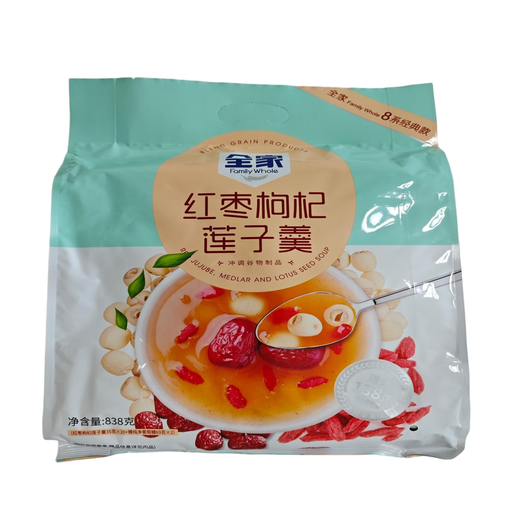 Image unavailable
If you’re looking for this recipe in separate portions, check the number of sachets and the water-to-soup ratio on the packaging. The product also includes two sachets of glucose: check what they’re for and read the nutritional information per portion.
 Image unavailable
The three separate portions are worth considering if you don’t want to open a large carton. The stated salt content is 1.8 g per prepared 200 ml portion. Check the allergens too, and follow the sachet instructions for the amount of water and preparation time.
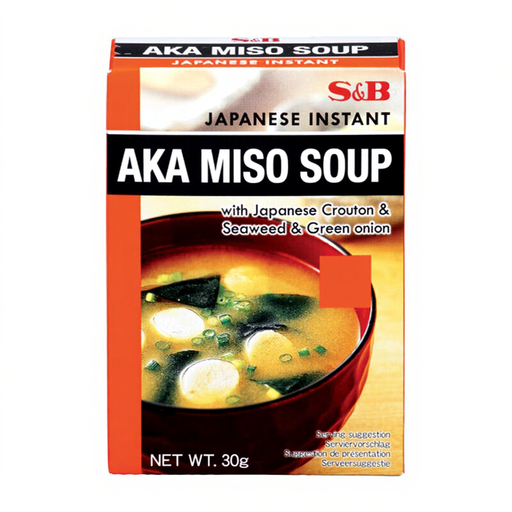 Image unavailable
This instant miso soup is worth considering if you can boil water. Before choosing it for several meals, check how many portions are in the pack, along with the allergens and salt per prepared bowl.
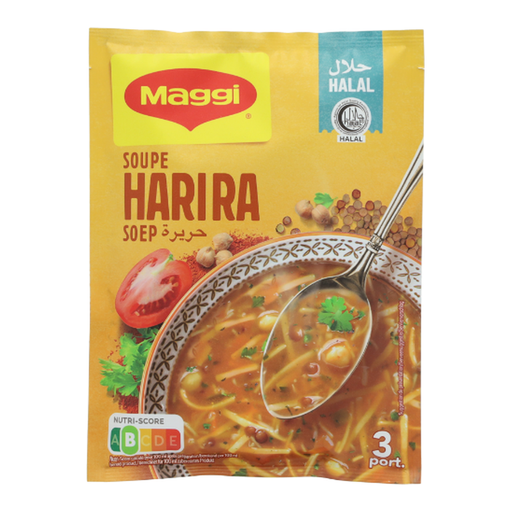 Image unavailable
This dried soup sachet is better suited to a fully equipped kitchen than to making soup in a mug: the recipe calls for a pan, 750 ml of water and 10 minutes of cooking. Check that the quantity it makes suits your meals, and follow the storage instructions after preparation.
No. A best-before date relates to quality and is different from a use-by date, which must be followed, according to the French Ministry of the Economy. Check the packaging is in good condition. Once the soup is open, follow the manufacturer’s storage instructions and use it within the stated time.
No. Discard any tin that is bulging, rusty or misshapen. The DGCCRF says these signs may indicate that the product has deteriorated; don’t eat the contents if you’re in any doubt.
An individual sachet is a good option if you can prepare the portion as instructed and don’t want to deal with leftovers. A 1 L carton works if you can share it or have several bowls while following the instructions for storage after opening. Compare the portions you’ll actually use.
No. As Santé publique France explains, displaying it is voluntary. If it appears on a soup, read it alongside the nutritional information, ingredients and allergens for that particular recipe.