
Livraison le jour même ou le lendemain

Qualité garantie

Débloquez vos offres de bienvenue: Livraison GRATUITE | Jusqu'à -80 % | 30 jours d'essai gratuits à JoyPlus
Téléchargez l'application
In a small home, dirt builds up quickly—especially when the kitchen, bathroom and sleeping area all share the same room. That said, choosing a student cleaning kit with 30 L bin bags is not simply a matter of picking the first bundle you find. Capacity, closure system, durability and brush design all have a very real impact on everyday comfort.
Whether you live in a CROUS room, a studio or a shared flat, a few checks are essential before placing your order. Here are the key criteria to review, followed by a selection suited to several user profiles.
A 30 L bag may be suitable for a small kitchen bin, but its dimensions determine whether it will sit securely around the rim. If it is too short, it may slip to the bottom of the bin as soon as it starts to fill. If it is too wide, it may slide down or take up unnecessary space.
Measure the height and diameter of your bin. For a square or rectangular bin, also check the flat width stated on the packaging.
30 L biodegradable bin bags may appear to be a more environmentally responsible choice, but “biodegradable” does not necessarily mean “home compostable”. How quickly a bag breaks down depends on its composition and the conditions specified by the manufacturer.
Before ordering, check the material, sorting instructions and local recommendations. A bag made from recycled plastic, such as some reinforced models, can also reduce the use of virgin material without being biodegradable.
A standard sponge has difficulty reaching around taps, shower seals or behind a hob. Relying solely on wipes can quickly become expensive and impractical.
A corner cleaning brush or flexible bathroom brush follows angles and reaches narrow spaces more effectively. Flexibility matters, but also check the handle length, bristle firmness and ease of rinsing.
For a studio, the 30 L format offers a useful balance between capacity and compactness. Bin bags with handles and drawstring models close quickly and are easier to carry to the waste area. This is a genuine advantage in student residences, where the container may be several floors away or located in a neighbouring building.
However, avoid filling a bag beyond its stated capacity. Sharp objects, liquids and heavy waste can puncture it, even when the base is reinforced.
A pack of 60 or 120 bags reduces the need for repeat purchases, but pack size alone is not enough to compare two products. Also calculate the price per bag and estimate how frequently you will replace them. In a shared flat, a large pack may be more convenient than a small roll, provided you have a dry place to store it.
For kitchen cleaning accessories, choose handles that are long enough to reach the bottom of the sink and the areas behind the tap. A curved head makes it easier to clean around joints, while a slim brush is better suited to grooves and narrow gaps.
After each use, rinse the brushes and leave them to air-dry. Do not mix incompatible household products, and follow the instructions on their packaging.
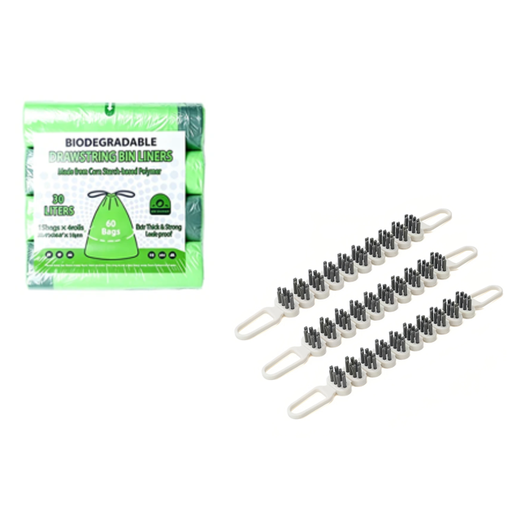
Why this choice suits this profile: it brings together the essential consumables and tools for moving into a studio, CROUS room or shared flat.
The product listing specifies 60 30 L bags with closure ties, along with three long-neck brushes designed to reach narrow areas.
One set covers everyday waste and cleaning around taps, in the bathroom and across kitchen surfaces.
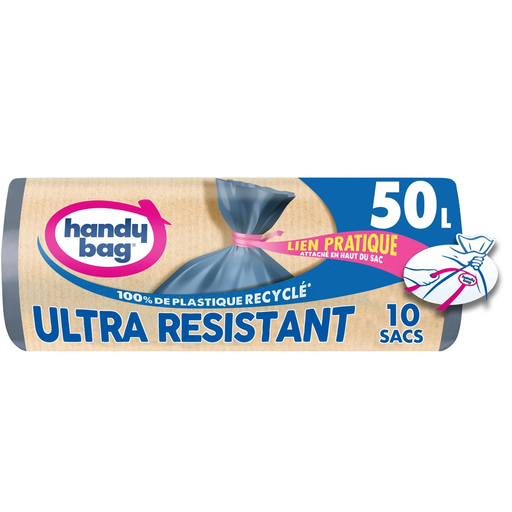
Why this choice suits this profile: this larger format is aimed at households that produce more waste or have a bigger bin.
The product listing mentions a three-layer film, a leak-resistant base and a tie closure. However, this model will not replace a 30 L bag if your bin is smaller.
The roll contains 10 50 L bags made, according to the product listing, from recycled plastic without dyes or additives.
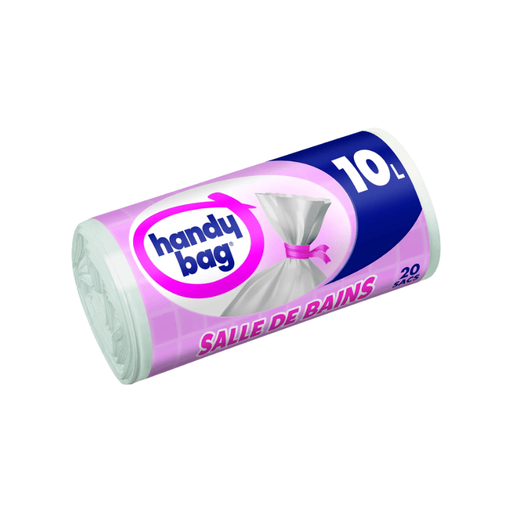
Why this choice suits this profile: this format is designed for small bathroom bins, particularly when waste is emptied regularly.
At 10 L, it avoids having to force an oversized, ill-fitting bag into a small bin. The reinforced base is described as leak-resistant.
The roll contains 20 drawstring bags made from recyclable plastic, according to the product listing.
Explore an updated selection of products for organising, transporting and maintaining a small home, tailored to your storage constraints and everyday habits.
To avoid unnecessary purchases, build your kit around three key needs:
Store bags in a dry cupboard, away from heat sources. Keep the packaging and safety instructions, particularly the warning concerning plastic bags and young children. For cleaning products for CROUS residences, also check your institution’s rules on waste sorting and the use of certain products.
Often, but always compare the bag’s dimensions with those of the bin. Stated capacity alone does not guarantee a secure fit. Measure the bin’s height, diameter or width before ordering.
Not necessarily. “Biodegradable” and “compostable” describe two different properties. Check the packaging and the manufacturer’s instructions, then follow your local authority’s waste-sorting guidance. Never place a bag in a compost bin without explicit confirmation.
Brushes remain usable as long as their bristles, handle and joint are in good condition. Bags, meanwhile, should be stored away from moisture, sunlight and heat. Replace any deformed brush or bag showing visible damage before use.