Strong coffee fans who like to choose their own extras
You use a Senseo machine, want an intense cup and prefer to decide for yourself whether to add sugar, milk or syrup. The pod’s ingredients list is a good place to start.


To enjoy a strong cup of coffee with a Senseo machine, first check the pod format and ingredients. Choosing a coffee-only blend lets you decide separately what to add to your cup. When shopping with diabetes in mind, French Health Insurance recommends reading food labels. The word “strong” and the intensity rating describe the coffee’s flavour profile, but they don’t replace checking the label or tell you how much caffeine is in each cup.
You use a Senseo machine, want an intense cup and prefer to decide for yourself whether to add sugar, milk or syrup. The pod’s ingredients list is a good place to start.
You prefer an espresso-style or strong flavour profile with a stated intensity rating, while checking that the soft pod is suitable for your Senseo machine.
If your caffeine tolerance or sleep influences your choice, a decaffeinated pod may matter more than a “strong” option. According to Anses, caffeine’s effects on sleep vary from person to person.
When shopping with diabetes in mind, start with the ingredients and nutritional information, as French Health Insurance advises. Then consider how strong you want your coffee, without confusing its intensity with its caffeine content.
| Priority | What to check | Who it matters to |
|---|---|---|
| Ingredients and extras | Read the ingredients list and nutritional information for the product you’re considering. Check whether the pod contains only coffee or includes other ingredients. | When shopping with diabetes in mind, I want to choose what’s in the pod, then decide separately what to add to my cup; around 50% of shoppers prioritise having control over what they add. |
| Strong flavour | Check the brand’s stated flavour profile and intensity, as well as the “soft pod compatible with Senseo” wording. | If I’m mainly looking for a really strong cup, I want to be able to spot the stated flavour profile on the pack; around 30% of shoppers put flavour intensity first. |
| Caffeine | Don’t take the intensity rating as a measure of caffeine. If you need to limit your intake, look at decaffeinated options and consider your individual circumstances. | If caffeine can affect my sleep, I’d rather consider a decaffeinated pod than rely on the word “strong”; around 20% of shoppers make limiting caffeine their top priority. |
An intense flavour doesn’t tell you whether the pod contains only coffee or whether the drink includes other ingredients. Sugar, milk or syrup added afterwards also affects what’s in your cup.
If you want to choose your extras separately, check the pod’s ingredients list, then consider what you add to your coffee.
An intensity rating describes the stated flavour profile, not the amount of caffeine per cup. Anses notes that caffeine’s effects, particularly on sleep, vary from person to person.
If you need to limit caffeine, consider a decaffeinated pod. If your health or medication means you need tailored advice, speak to a healthcare professional.
A capsule designed for a different system can’t be used in place of a soft pod for a Senseo machine.
Before you buy, check both the “soft pod” format and the stated compatibility with your machine.
The range includes Extra Corsé and Espresso Intense No. 9, two options designed for Senseo machines.
The brand offers pods compatible with Senseo, including Corsé No. 7, Espresso No. 8 and Décaféiné No. 5.
Carrefour offers an intense coffee pod option compatible with Senseo.
E.Leclerc’s listed range includes soft pods, including a strong option in a pack of 60 pods, weighing 417 g.
Auchan offers strong pods rated 7 for intensity and listed as compatible with Senseo.
These options match searches for strong pods compatible with Senseo. When shopping with diabetes in mind, compare their ingredients lists and what you plan to add to your cup; “strong” flavour alone isn’t a nutritional criterion.
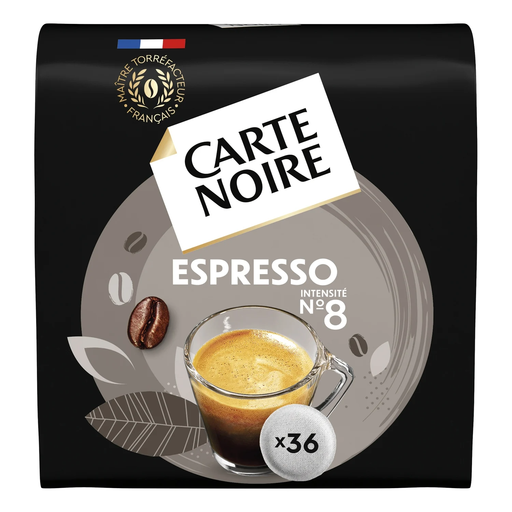 Image unavailable
For shoppers looking for espresso-style coffee in a pod compatible with Senseo. Carte Noire gives this option an intensity rating of 8; this number doesn’t measure the caffeine in each cup.
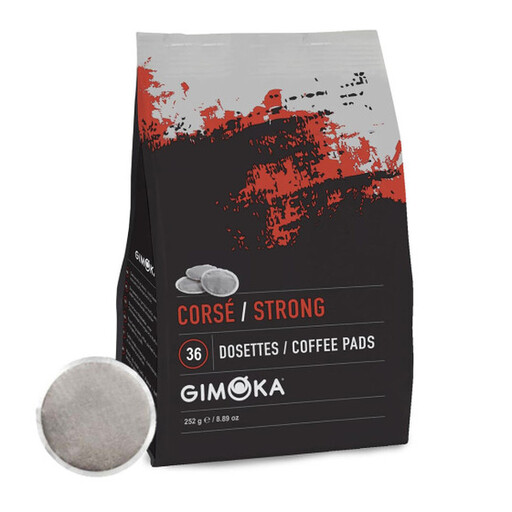 Image unavailable
An option for shoppers looking for strong pods listed as compatible with Senseo. The pack contains 36 pods and weighs 252 g; check the product’s ingredients list and what you plan to add to your cup.
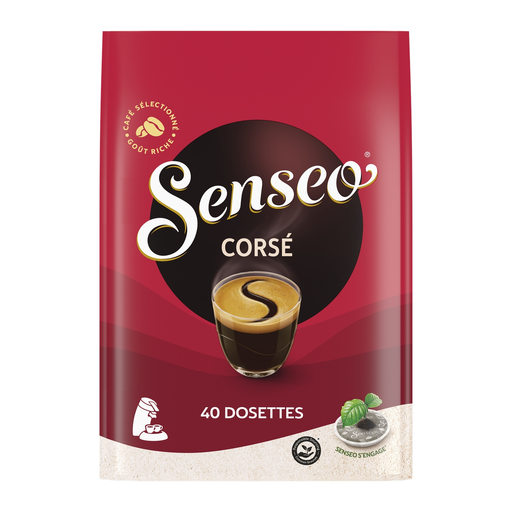 Image unavailable
For anyone looking for strong coffee in Senseo pods. Joybuy’s product listing gives “coffee” as the ingredient; decide separately what to add to your cup, and don’t assume the word “Strong” tells you how much caffeine it contains.
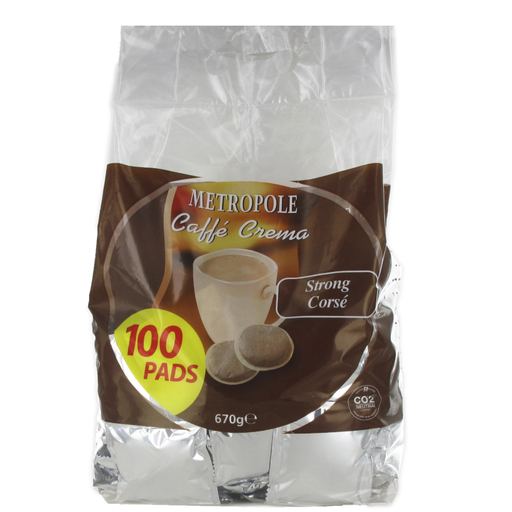 Image unavailable
A pack of 100 pods for anyone looking for “Strong” coffee listed as compatible with Senseo. Before choosing this larger pack, check the ingredients and storage instructions on the packaging.
No. “Strong” describes the coffee’s flavour profile, not what’s in the cup you’ll drink. French Health Insurance advises reading food labels when shopping with diabetes in mind; check the pod’s ingredients, relevant nutritional information and any extras you plan to add.
Look for “soft pod compatible with Senseo” on the packaging or the listing for the exact product. Don’t choose a capsule or pod made for another system based on its flavour description alone.
No. The intensity rating alone doesn’t let you compare the caffeine in each cup. If the amount matters to you, look for information given per cup rather than relying on the flavour profile; Anses says caffeine’s effects vary from person to person.
For Senseo Italian Style No. 9, Auchan recommends using the pods within two to three weeks of opening the pack. For other products, follow the storage instructions on their packaging.