
Livraison le jour même ou le lendemain

Qualité garantie

Débloquez vos offres de bienvenue: Livraison GRATUITE | Jusqu'à -80 % | 30 jours d'essai gratuits à JoyPlus
Téléchargez l'application
A strong multi-material glue might seem like the perfect solution for fixing everything with just one tube. In practice, a glue that works well on wood won't necessarily be suitable for metal, plastic or surfaces exposed to moisture. The right choice depends on the porosity of the materials, their flexibility, the load they need to bear, and how long you have to hold the pieces in place.
Before you place an order, three common mistakes keep cropping up.
Start by identifying the surfaces you need to join: wood, metal, glass, ceramic, leather, fabric or plastic. A cyanoacrylate glue, better known as super glue, is generally suitable for small, precise repairs. It bonds to metal, wood, some plastics, leather and ceramic, but it isn't compatible with every material.
PE, PP, PTFE and certain foams are often excluded from instant glues and epoxy resins. This information is usually stated on the packaging or product page. If you're repairing a plastic object, take the time to identify the type of polymer before choosing your glue.
The time stated, for example five minutes, usually refers to the initial set. That doesn't mean the bond can immediately withstand tension or load.
For a shelf, piece of furniture or joinery work, a wood glue classified as EN 204 D2 is suitable for limited indoor humidity. A D3 formula offers greater water resistance and can be considered for a kitchen, bathroom or covered outdoor area, provided you follow the manufacturer's instructions.
The packaging deserves your attention too. A fine nozzle helps prevent overspill on small parts, while a self-mixing syringe makes dosing an epoxy glue much simpler. For occasional use, individual sachets stop the product from drying out after opening. If you're a regular DIYer, a 250 g or 750 g bottle will often be more practical.
Even the best formula will lose its effectiveness if the surfaces aren't properly prepared. Remove dust, grease and any traces of old glue. The surfaces must be clean and dry. Oily woods, in particular, need to be thoroughly degreased.
Apply a thin, even layer. With an epoxy glue, mix the two components until you get a perfectly uniform colour. With a super glue, a single small drop is usually enough for a small area: too much can slow down the setting time and cause it to seep onto a visible surface.
Also, stick to the working temperature stated on the packaging. Cyanoacrylate and epoxy glues should be used in a well-ventilated space. Keep them out of reach of children and avoid any contact with skin and eyes.
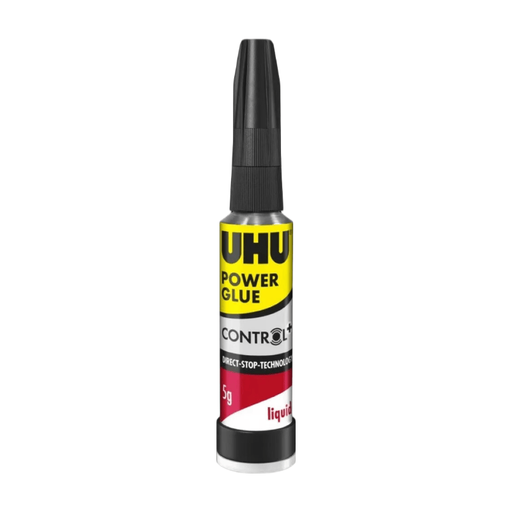
Why this choice suits this profile: With its 5 g tube and Direct-Stop nozzle, this glue is ideal for everyday small repairs, craft projects and assemblies that need precision.
The precise dosing minimises drips and waste. The product page also clearly lists incompatible surfaces and advises against large areas.
A clear formula, fast bonding and stated compatibility with metal, wood, glass, ceramic, leather and several plastics.
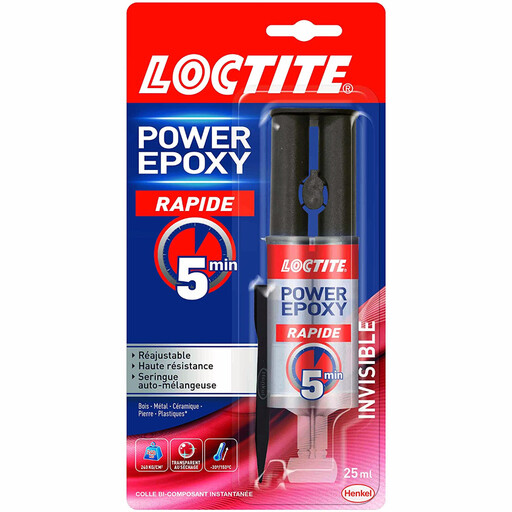
Why this choice suits this profile: Its self-mixing syringe and clear finish are designed for neat assemblies, decorative objects and repairs that need to fill gaps.
The five-minute setting time should not be confused with the final cure, stated as twenty-four hours. That lets you plan when to apply load without any nasty surprises.
It bonds while filling gaps and, once cured, resists water, oil and common solvents, according to the product page.
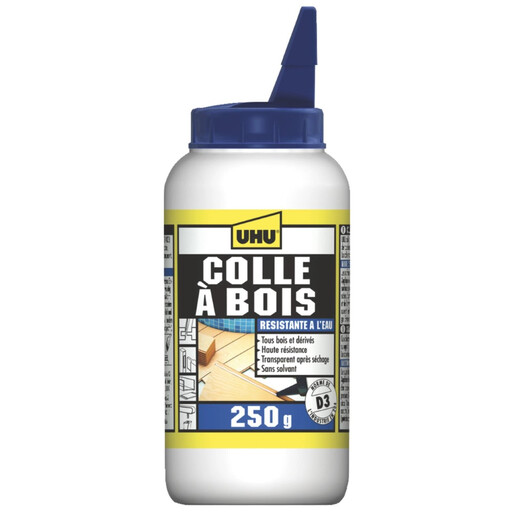
Why this choice suits this profile: Its 250 g format and D3 classification are designed for joinery work, wood assembly and repair in damp environments.
The D3 rating clearly distinguishes a water-resistant glue from a standard wood glue intended for dry rooms.
A solvent-free formula, precision nozzle, transparency after drying and stated suitability for soft, hard and exotic woods.
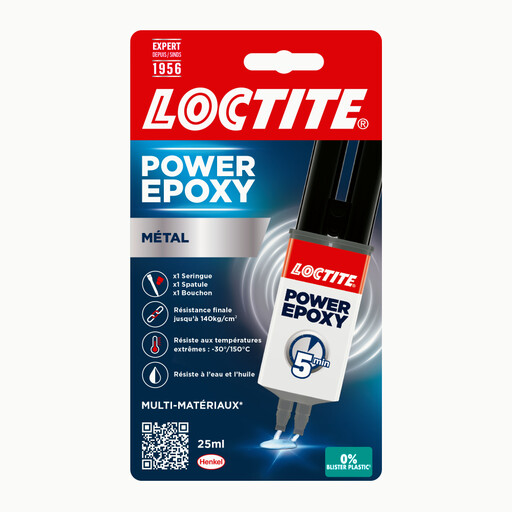
Why this choice suits this profile: This two-part epoxy glue for metal is designed for repairs on iron, steel, aluminium, copper and zinc, as well as certain bonds with glass, ceramic or wood.
The product page specifies the excluded materials, including PE, PP and PTFE. That stops you mistaking this resin for a truly universal glue.
A stated set time of five minutes, the ability to fill imperfections and the possibility of drilling or filing after four hours, according to the product instructions.
We've put together a comprehensive, real-time updated selection of products that meet these demanding criteria, while complying with European safety regulations.
For a small, clean and perfectly fitting surface, a cyanoacrylate glue can do the job. If the pieces have play, irregularities or need to bear a heavy load, a two-part epoxy glue that can fill gaps is usually the better choice. Always check compatibility with each surface.
Not necessarily. It all depends on the formula and the stated classification. For wood, the D2 and D3 ratings under EN 204 give a useful indication of the intended level of moisture exposure. With an epoxy glue, refer to the manufacturer's instructions regarding resistance to water, oil and solvents.
The shelf life varies depending on the formula, how airtight the cap is and storage conditions. Cyanoacrylate glues are sensitive to moisture and can thicken after opening. Close the tube immediately, store it in a cool, dry place and choose individual sachets if you only do DIY occasionally.