
Livraison le jour même ou le lendemain

Qualité garantie

Débloquez vos offres de bienvenue: Livraison GRATUITE | Jusqu'à -80 % | 30 jours d'essai gratuits à JoyPlus
Téléchargez l'application
A cracked ceramic mug, a sole coming away from your shoe, or a modelling piece that needs reattaching – these often call for a quick, clean repair. But choosing a strong instant multi-material glue isn't just about spotting the word "strong" on the packaging. The material you're bonding, the precision of the nozzle, and the flexibility of the joint all play a crucial role in the final hold.
A cyanoacrylate glue can bond to metal, wood, ceramic, rubber, leather, and some plastics. That doesn't mean it's suitable for every surface. Polyethylene (PE), polypropylene (PP), and PTFE (Teflon) are generally incompatible with standard instant glues.
So, before you place your order, identify the type of plastic your item is made from. For materials known to be tricky to glue, a formula designed specifically for plastics, paired with an activator, will often be a better choice.
A quick-drying liquid glue can hold two pieces together in seconds, but it usually only reaches its maximum strength after a longer period. If you handle, twist, or wash the item too soon, the repair could weaken.
Claims like "water-resistant" or "dishwasher-safe" should also be taken with a pinch of salt: they apply to the uses intended by the manufacturer, after full curing and under the conditions stated on the instructions.
A standard bottle is fine for everyday repairs, but it can deposit too much product on a small part. Conversely, a long nozzle, a pen applicator, or a gel formula makes it easier to work in a corner, on a vertical surface, or near a decorative element.
If you rarely use super glue, individual sachets help reduce waste. Larger bottles are better suited to workshops, regular DIY projects, and keen hobbyists.
Look for a clear list of compatible surfaces: metal, compatible plastic, wood, ceramic, porcelain, rubber, leather, paper, or cardboard. For glass, textiles, and engineering plastics, compatibility may be limited or depend on surface preparation.
A clear universal glue isn't necessarily right for a large surface, a very flexible material, or a part that's subject to repeated movement. In these situations, a flexible gel glue or a rubber-reinforced formula will better handle twisting and minor impacts.
For a visible repair, a clear glue with a precise nozzle reduces marks around the bonded area.
If the item might be exposed to moisture, check for a water-resistance claim on the product page. For a shoe sole, a hose, or a flexible object, also look for information about impact, vibration, twisting, and temperature changes.
Surface preparation matters just as much as the formula: surfaces must be clean, dry, dust-free, and degreased. Apply a small amount of glue to one side only, assemble quickly, then hold the pieces in place without sliding them.
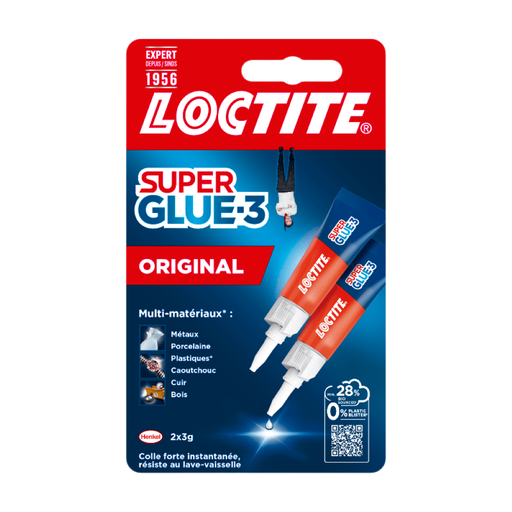
Why this choice suits this profile: The two-tube pack is ideal for small everyday repairs, occasional DIY, and craft projects, without having to invest in a large bottle.
The two 3 g tubes prevent you from leaving an opened container for too long, reducing the risk of premature drying.
Clear liquid formula, two-unit pack, and stated compatibility with wood, rubber, porcelain, and leather.
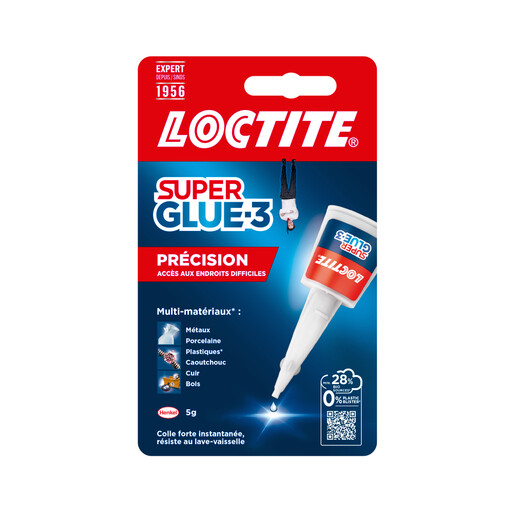
Why this choice suits this profile: Its long, fine nozzle is designed for those who want a clean application on delicate items, models, or hard-to-reach areas.
The precision tip reduces the risk of over-application, which is common when using a liquid glue on a small surface.
Nozzle for drop-by-drop application, clear formula, and stated water resistance after full curing.
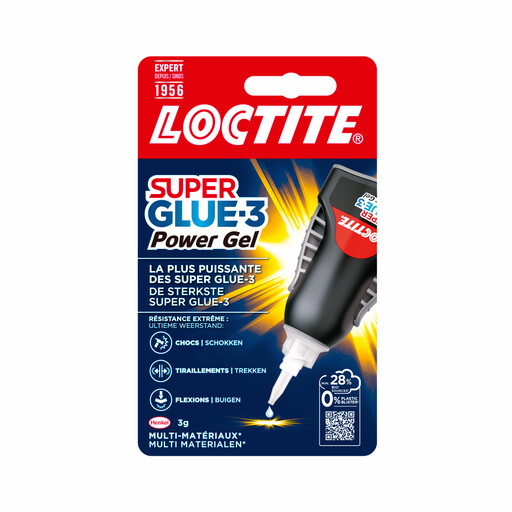
Why this choice suits this profile: Its rubber-reinforced gel texture is ideal for repairs that involve bending, such as shoe soles, flexible hoses, or items handled regularly.
The gel stays in place and adapts better to joints that aren't perfectly flat than a very runny liquid glue.
Controlled-flow nozzle, stated resistance to water, impacts, twisting, and temperature changes.
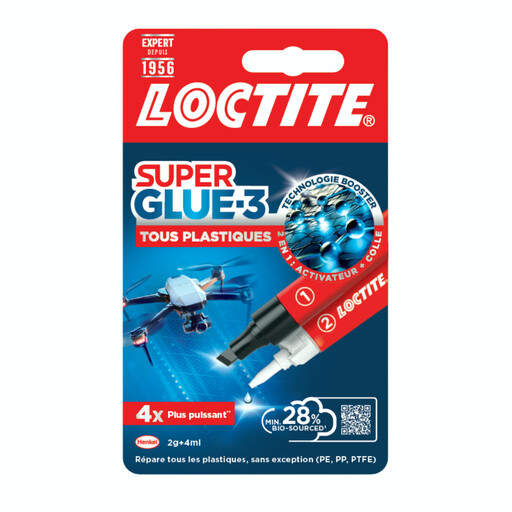
Why this choice suits this profile: The set, which includes a tube of glue and an activator pen, is designed for plastic items where adhesion is trickier due to the material's nature.
The included activator is designed for difficult plastics, rather than presenting a standard glue as compatible with all materials indiscriminately.
Two-step system, clear glue, and a format including a 2 g tube and a 4 ml activator pen.
Cyanoacrylate glues can bond skin and eyelids in seconds. Be particularly careful with your fingers, eyes, and clothing. In case of contact with eyes, rinse thoroughly and seek medical advice. Do not pull bonded skin apart forcefully: manufacturers generally recommend soaking it in warm, soapy water.
Start by identifying the type of plastic. PE, PP, and PTFE are often incompatible with standard cyanoacrylate glues. For a difficult material, choose a product that clearly mentions an activator or specific compatibility with plastic, such as a system specially designed for these surfaces.
The initial grab can happen in seconds, but the time before use depends on the amount of glue, the surface, and the material. For an item exposed to water, impacts, or twisting, wait for the full curing time stated on the instructions.
A flexible gel glue can work when the joint needs to withstand movement. However, check its compatibility with rubber or the sole material, then allow it to cure sufficiently before putting the repair under stress.