
Livraison le jour même ou le lendemain

Qualité garantie

Débloquez vos offres de bienvenue: Livraison GRATUITE | Jusqu'à -80 % | 30 jours d'essai gratuits à JoyPlus
Téléchargez l'application
Strong blonde beers are instantly appealing with their golden colour, rich aroma and alcohol content, often between 7% and 9%. But they can throw up a few surprises at the checkout: the wrong size, a sweeter profile than expected, or an underestimated alcohol level.
Before you settle on a Belgian blonde, a French blonde, a triple or an abbey beer, take a moment to check a few essential criteria.
The term “triple” usually suggests a rich, malty, expressive beer. But it doesn’t define the flavour profile on its own. Depending on the recipe and fermentation, a triple can develop fruity, spicy, cereal or hoppy notes.
The same goes for abbey beers: they aren’t necessarily smooth or particularly sweet. It’s better to read the description, the ingredients list and the alcohol content rather than relying on the style name alone.
An 8% ABV beer in a 75 cl bottle obviously doesn’t deliver the same amount of alcohol as a 5% beer in a small format. To estimate the pure alcohol content simply, use this formula:
volume in millilitres × alcohol percentage ÷ 1,000
So, a 25 cl bottle at 8% works out at roughly 2 alcohol units, based on the calculation commonly used on product pages. A handy reference for planning a tasting, a meal or a pack purchase.
A pack of blonde beers is handy when you’re serving several people, but it can limit your choice between different profiles. On the other hand, a 75 cl bottle is better for sharing, as long as you plan to serve it soon after opening.
Before you confirm your purchase, check:
Beers between 7% and 9% ABV generally have more character than a standard blonde. However, the alcohol level alone doesn’t predict their aromatic intensity. A 7.2% beer can be smooth and cereal-forward, while an 8.5% beer might let the yeast, fruit or spices shine through more.
For a first try, a beer around 7% to 8% is often easier to serve as an aperitif. Fans of triples or richer profiles can aim for 8% to 9% ABV, opting for a slow, sensible tasting.
A 25 cl or 33 cl bottle lets you discover a strong beer without opening a large quantity. The 50 cl format is great for sharing or a leisurely tasting, while a 75 cl bottle works well with a meal.
A pack of 6 x 25 cl, like La Chouffe Blonde at 8%, makes individual serving easy. A gift box or larger pack is better for a gathering, but do check your storage space and the actual variety of its contents.
The beers featured here often contain gluten from barley or wheat. Anyone with allergies or intolerances must check the product labelling before buying.
Storage is usually straightforward: keep the bottles in a cool, dry place away from light. Some beers recommend a serving temperature between 6 and 10 °C. For aromatic beers, pour them gently into a suitable glass to appreciate their colour and bring out the notes mentioned on the product page.
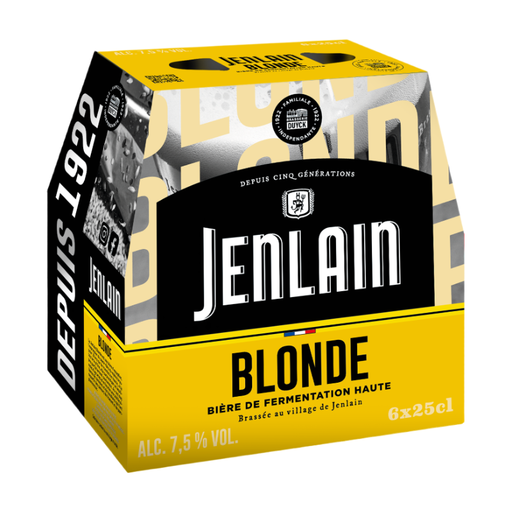
Why this suits this profile: Its six small bottles let you share or discover a French blonde beer from the North without buying a large container. The detailed page states 5.5% ABV: always check the labelling on the product you receive.
The 6 x 25 cl format makes the quantity immediately clear and stops you mistaking a large bottle for multiple servings.
The page mentions notes of cereal, wheat, citrus and grapefruit. The product is made in France and is suitable for vegetarians and vegans, according to the information available.
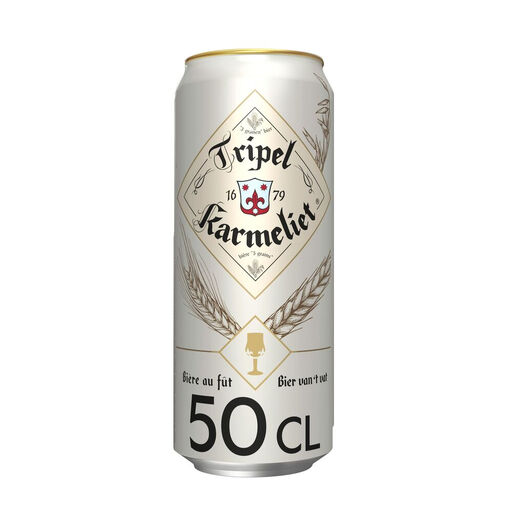
Why this suits this profile: This Belgian triple in a 50 cl bottle is a great choice at the table, especially with a soft cheese, poultry or a seafood dish.
The recipe and alcohol content are clearly stated: three grains are mentioned, with 8% ABV and gluten noted.
The recipe combines barley, wheat and oats. The page describes a creamy texture with notes of vanilla, banana and citrus.
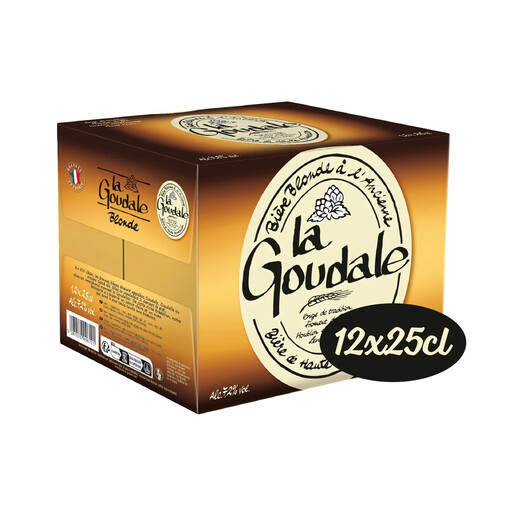
Why this suits this profile: This pack of twelve 25 cl bottles is ideal for large aperitifs, group meals and stocking up for several occasions.
The total volume and 7.2% ABV are clearly shown, making it easy to work out how much you need before guests arrive.
This French blonde beer from Saint-Omer is brewed with barley malt and wheat. The individual format makes serving simple and helps you control portions more easily.
We’ve put together a full selection, updated in real time, of products that meet these criteria as well as European safety regulations.
To preserve their balance, serve them chilled but not ice-cold. A temperature that’s too low can mute their fruity, spicy or cereal aromas. A tulip glass or a fairly wide beer glass will let the bouquet express itself better.
A few pairings to help you decide:
Brands like Duvel, Chouffe, La Goudale or Tripel Karmeliet can have noticeably different alcohol levels and formats. So always check the product page before ordering.
A strong blonde beer usually has a higher alcohol content, often between 7% and 9% ABV. It may also have a fuller texture and more pronounced aromas. That said, it all depends on the recipe, the yeast used and the hopping.
Keep it in a cool, dry place away from direct light. Respect the date on the packaging. Once opened, the bottle should be drunk quickly: the carbonation and aromas fade over time.
Consider the number of adults present, the bottle size and the alcohol content. With strong beers, 25 cl or 33 cl bottles allow for more sensible servings. The sale and consumption of alcohol is restricted to those aged 18 and over. Alcohol should be consumed in moderation and is not recommended during pregnancy.