
Livraison le jour même ou le lendemain

Qualité garantie

Débloquez vos offres de bienvenue: Livraison GRATUITE | Jusqu'à -80 % | 30 jours d'essai gratuits à JoyPlus
Téléchargez l'application
Spotless windows can quickly lose their clarity because of an unsuitable product or an ineffective method. A glass-cleaning spray used too generously can leave a visible film, a poorly rinsed cloth can spread greasy marks, and a multi-surface product is not necessarily suitable for screens or delicate materials.
Before buying a streak-free glass cleaner, it is therefore worth distinguishing marketing claims from the criteria that really matter: compatibility with the surface, application method, amount of residue and how easy the equipment is to maintain.
A promise such as ‘brilliant shine’ does not always tell you about the product’s composition or how much to apply. Excess liquid can leave a film that then attracts dust. For an even finish, choose a ready-to-use or easy-to-dose formula, then use a clean, dry microfibre cloth.
A glass cleaner may be suitable for windows, mirrors and glass tables. Television and computer screens, however, require you to follow the manufacturer’s recommendations. Treated, tinted or particularly delicate surfaces should also be tested on an inconspicuous area first.
An eco-friendly glass cleaner may contain less of certain components or use ingredients from renewable sources. That does not mean you can skip reading the label. Check the instructions for use, surfactants, fragrances and packaging recycling guidance. Even a formula advertised as containing 99% naturally derived ingredients is still a cleaning product that must be handled with care.
For windows, mirrors and glass tables, look for clear information about the intended uses. A streak-free mirror cleaner should be wipeable without rinsing when recommended in the manufacturer’s product information. For stainless steel, ceramic glass or induction hobs, choose a product formulated for these materials rather than a basic glass cleaner.
Never spray the product directly onto a screen. If the device instructions allow it, apply a small amount to a cloth instead.
A 500 to 800 ml bottle is suitable for most household uses. Professionals in hotels, restaurants or offices may prefer a professional glass-cleaning product with a sturdy trigger spray, quick-drying formula or a larger container.
However, bottle size alone is not enough to assess the actual cost per use. A ready-to-use formula avoids dilution errors, while a concentrated product may offer better value for intensive use, provided its dosage is clearly stated.
Even the best spray cannot work miracles with a microfibre cloth saturated with detergent or washed with fabric conditioner. A microfibre glass-cleaning cloth should be clean, low-lint and, if possible, reserved for glass surfaces. Work in small areas using only a little liquid, then turn the cloth over for the finishing wipe.
To minimise streaks, clean in the shade and avoid working on very hot glass. Greasy marks may require an initial pass followed by dry wiping.
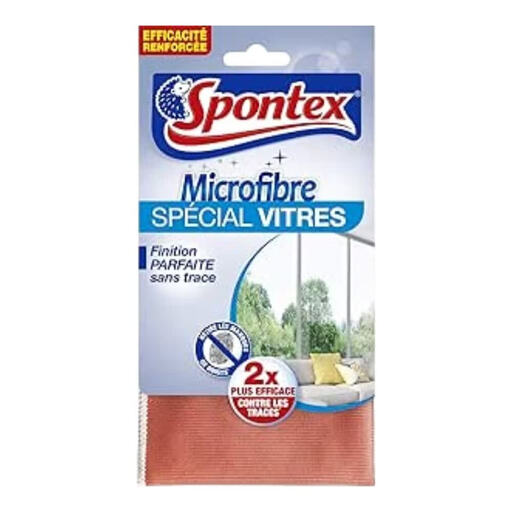
Why this choice suits this profile : This microfibre cloth can be used with water alone, so there is no need to buy a spray straight away. Its 35 × 35 cm size is easy to store in a cupboard or cleaning-products basket.
It eliminates the risk of over-dosing and greasy films, often caused by using too much window cleaner. The product information states that it can be machine-washed at 60 °C and recommends not using fabric conditioner.
Use with water alone, recyclable microfibre according to the product information and compact size.
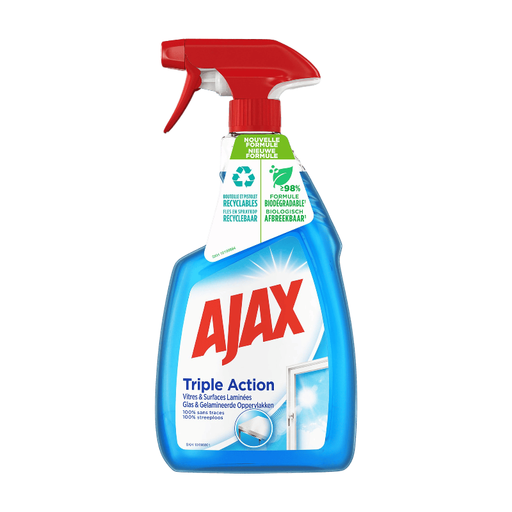
Why this choice suits this profile : Its 750 ml ready-to-use format is ideal for regularly cleaning windows, mirrors, glass tables and laminated surfaces.
The product information recommends spraying from approximately 20 cm away, then wiping with a clean, dry cloth. This instruction helps reduce the risk of using too much liquid.
Formula advertised as 99% naturally derived, lemon fragrance and suitable for use on several glass surfaces.
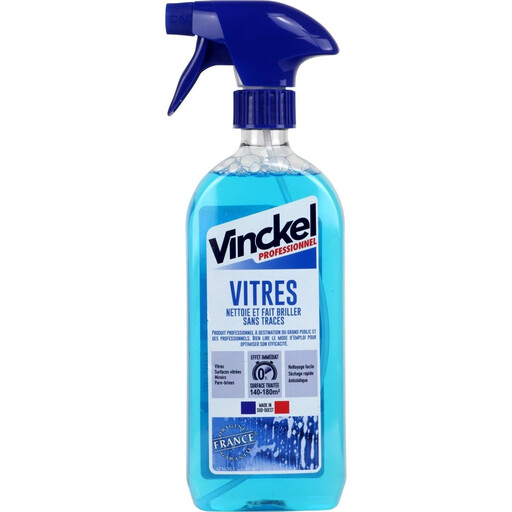
Why this choice suits this profile : Its spray bottle and quick-drying formula meet the needs of an office, shop or establishment that regularly cleans shop windows, mirrors and windows.
The instructions recommend spraying from approximately 30 cm away and repeating the process on persistent marks. They also advise testing compatibility on a small area.
500 ml format, advertised action against fingerprints and grease, quick drying and the option to use a squeegee.
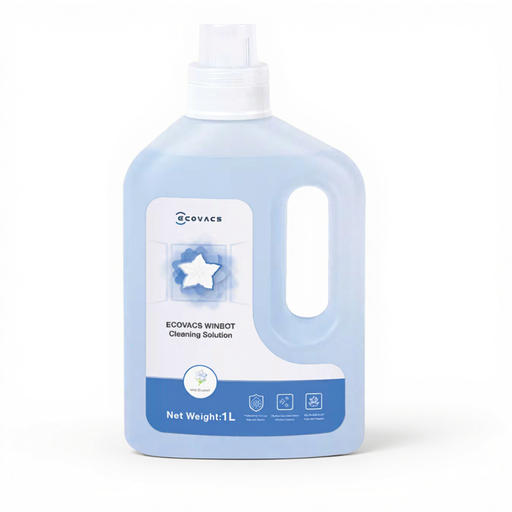
Why this choice suits this profile : This liquid for window-cleaning robots is designed for certain WINBOT models and can be used without dilution, according to the product information.
Compatibility is limited to the listed WINBOT W1 PRO, W2 and W2 OMNI models. Check your appliance model before buying and do not automatically replace this liquid with a standard household product.
One-litre container, no dilution required according to the product information and formula designed for compatible robots.
We have put together a complete, real-time updated list of products that meet these demanding selection criteria and European safety regulations.
Never mix different cleaning products. Wear gloves if recommended in the instructions and keep bottles out of children’s reach. Read the hazard information, particularly warnings about eye irritation or flammability, before use.
Choose a glass-cleaning spray whose product information mentions removing grease and fingerprints. Apply a small amount of product, then use a dry microfibre cloth. For heavy soiling, two light passes will generally give a more even result than spraying too much product.
A mirror may be compatible if the label states this. For a screen, always follow the manufacturer’s recommendations first and avoid spraying directly onto it. Depending on the device instructions, a slightly damp cloth may be preferable.
The shelf life depends on the product and the information shown on the packaging. Keep the bottle closed in a cool, dry place away from heat and sunlight. Also check the expiry date and batch number printed on the packaging.