
Livraison le jour même ou le lendemain

Qualité garantie

Débloquez vos offres de bienvenue: Livraison GRATUITE | Jusqu'à -80 % | 30 jours d'essai gratuits à JoyPlus
Téléchargez l'application
With its sweet aroma, the strawberry is a symbol of sunny days and the undisputed star of gourmet treats. From strawberry jam on your morning toast to a refreshing lemonade or a comforting strawberry dessert, its versatility is endless. But be warned: not all products on the shelf live up to their promises. Deciphering labels can be a real puzzle, and marketing traps are everywhere.
Here's our advice to help you see clearly and enjoy the best of strawberries, with no unpleasant surprises.
The "Strawberry Flavour" Mirage: This is the first red flag. Terms like "strawberry flavour" or "aroma" often conceal artificial flavourings instead of real fruit. The result is a flat, chemical taste that's a world away from the complexity of a freshly picked strawberry. A quality product will always highlight the fruit itself, not a cheap substitute.
Hidden Sugars: Of course, strawberry treats mean sugar. But some manufacturers are extremely heavy-handed. It's not uncommon to find jams or drinks where sugar outweighs the fruit. Even the label 'no added sugar jam' deserves close inspection: sucrose is sometimes replaced with concentrated fruit juices... which are just another form of sugar.
The Artisanal Illusion: Phrases like "traditional," "old-fashioned recipe," or "homemade style" are plastered on packaging to suggest superior quality. Without a short, clear ingredient list or a transparent production method (like cooking in a copper cauldron), these terms are often just marketing smoke and mirrors.
To sort the good from the bad, rely on objective criteria. At least they don't lie.
This is the number one criterion for strawberry jam or any fruit-based preparation. Regulations are clear: a standard jam must contain at least 35?g of fruit per 100?g of product, and 45?g to earn the "extra jam" designation. Aim higher: a fruit content of over 50% is an excellent indicator of quality, promising an intense and authentic taste. This information is required on the label, so keep your eyes peeled!
The golden rule: the shorter the list, the better. A jam worthy of the name should only contain the essentials: strawberries, sugar, a gelling agent (like fruit pectin), and possibly lemon juice as an acidity regulator. For other products, like strawberry ice cream or a drink, the principle is the same: make sure strawberry purée or juice appears at the top of the list, well before the slew of additives, colourings, and flavourings.
If you're watching your sugar intake, 'no added sugar' options can be a good alternative. In these products, sucrose is replaced by sweeteners (like sucralose) or vegetable fibres. Remember to check the nutritional information panel to choose the product that fits your goals, whether it's a no added sugar jam or a light drink.
To help you make an informed choice, we've selected products that cater to different profiles and needs.
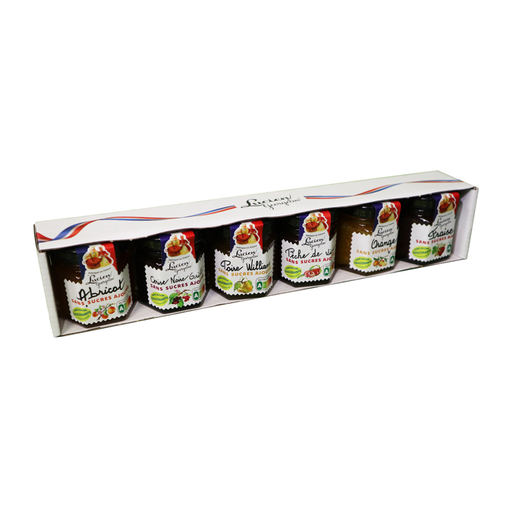
Why we chose it: Ideal for those who want the taste of fruit without the excess sugar. This set allows you to discover several flavours, including an excellent strawberry preparation, which is sweetened with vegetable fibres.
This product sidesteps the hidden sugar trap. The "no added sugar" claim is genuine, with a clear composition and a controlled calorie count (only 42 kcal per 47 g pot for the strawberry flavour).
A strawberry content of 65%, well above average, for an intense and authentic fruit taste.
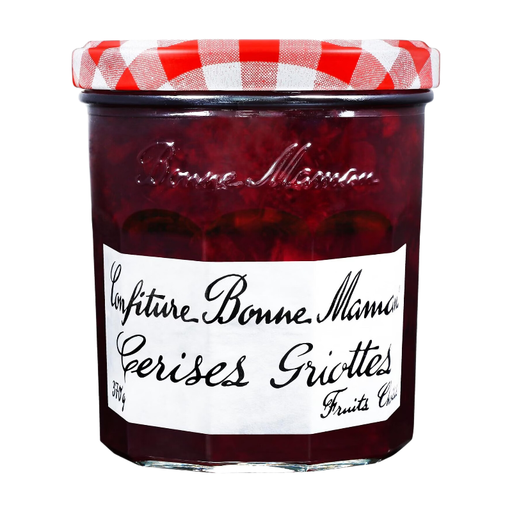
Why we chose it: A timeless classic that the whole family will love. The large 750 g jar is budget-friendly and perfect for daily breakfasts and snacks. The reputation of Bonne Maman strawberry jam speaks for itself.
The brand avoids the "artisanal illusion" trap by relying on a simple recipe and a transparent production method (cooked in a cauldron). No misleading marketing, just a reliable and consistent product.
Made in France with simple ingredients, free from colourings and preservatives. Excellent value for money in this family-sized format.
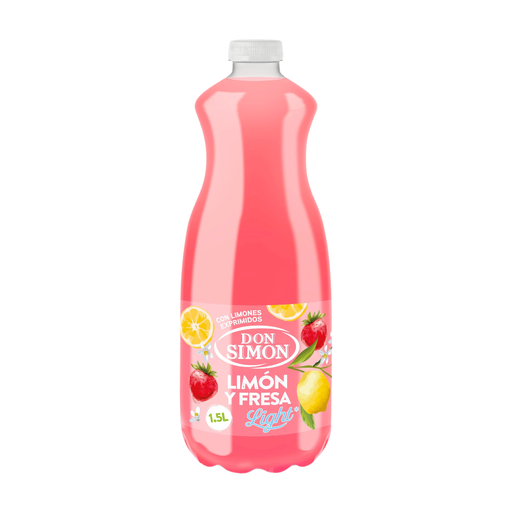
Why we chose it: For those looking for a refreshing, fruity alternative to classic soft drinks. This strawberry lemonade combines the tartness of lemon with the sweetness of strawberry for a light and bubbly break.
Transparency is key here. The product doesn't pretend to be something it's not: it's a low-calorie lemonade (18 kcal/100 ml), sweetened with sucralose. The sugar content is therefore controlled, with no nasty surprises.
A light yet flavourful drink that uses real lemon juice (7%) and strawberry purée (1%) for a natural fruity taste.
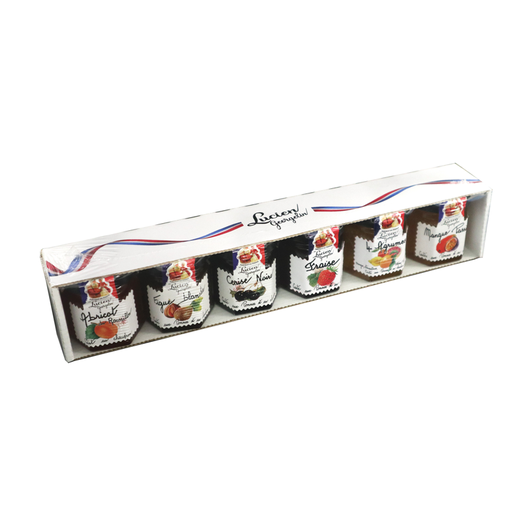
Why we chose it: The ideal jam gift set for a gourmet present or for curious foodies who love variety. It offers a selection of original and classic flavours, including a strawberry preparation, in convenient small jars.
This set avoids the artificial flavour trap by guaranteeing a high fruit content (45% to 64% depending on the recipe). Each jar offers an authentic taste experience focused on the quality of the fruit.
A diversity of flavours in a single set, with cauldron-cooked recipes that respect the fruit. An excellent gateway to more adventurous tastes.
Explore our full selection of strawberry products, all chosen for their quality and taste.
To assess the quality of a strawberry jam, focus on three key points on the label:
A classic jam is made with fruit and sugar (sucrose). A no added sugar jam, on the other hand, does not use sucrose. Instead, the sweet taste comes either from sweeteners (like sucralose or stevia) or from sugars naturally present in other ingredients, such as concentrated fruit juices. They are often lower in calories, but the taste can be slightly different.
Most strawberry-based products, like jams or drinks, should be stored in the refrigerator once opened. For jam, it's best to consume it within 10 days to 3 weeks to ensure freshness and prevent mould growth. For a drink like lemonade, it's recommended to finish it within 3 to 4 days. In any case, the safest bet is to follow the storage instructions on the packaging.