To put together a lunch from your store cupboard, choose dried wholegrain or semi-wholegrain noodles if you want a grain-based option with more fibre, then add vegetables and other ingredients to suit your meal. Instant noodles are mainly useful when you need something quick. If you choose pre-cooked noodles, check the storage instructions for the specific product. In both cases, compare the ingredients, salt content and serving size rather than relying on the product format.
Who are these options for?
Anyone putting together their own lunch
You keep noodles in the cupboard and want to serve them with vegetables, pulses, eggs or fish. Manger Bouger lists wholegrain or semi-wholegrain starchy foods, pulses and jarred vegetables among the practical foods to keep at home.
Anyone who likes to compare labels
You want to check the salt, ingredients and allergens, especially when the noodles come with a seasoning sachet. The nutrition table also lets you compare products per 100 g.
Anyone short on time
You want something quick to prepare, without assuming that a packet of noodles is a complete lunch in itself. Auchan sells instant noodles, while Aldi offers pre-cooked options; check the storage instructions for the specific product.
What should you check first?
When choosing store-cupboard noodles, first think about the base you want to cook with and how much time you have. Then check the label of the specific product.
Dried wholegrain or semi-wholegrain noodles
Choose these: if you want a wholegrain or semi-wholegrain base to serve with other ingredients. Manger Bouger recommends choosing these types of starchy foods when they are cereal-based.
Bear in mind: you’ll need to prepare the accompaniments; noodles on their own won’t make up a whole lunch.
Seasoned instant noodles
Choose these: if a quick preparation matters more to you than choosing each part of your bowl separately.
Check: the ingredients in both the noodles and the seasoning, as these vary from product to product.
Pre-cooked noodles
Choose these: if you’re looking for a pre-cooked option, such as the udon or ramen noodles sold by Aldi.
Check: the storage instructions and date on the packet before putting it in your cupboard.
| What to consider | What to check | Who is it for? |
|---|
| Grain base |
Look for the words “wholegrain” or “semi-wholegrain” and check the corresponding flour in the ingredients. Also check the allergens. |
If I want to choose the base of my noodles first, the type of flour matters more to me than the format. Around 33% of consumers prioritise the grain base. |
| Salt and ingredients |
Compare the salt per 100 g, then consider the serving you’ll eat. Check the ingredients in the seasoning sachet too. |
When I’m choosing seasoned noodles, I want to know what’s in the packet before I make my bowl. Around 25% of consumers prioritise checking the salt and ingredients. |
| What’s in your lunch |
Plan what else to include in your meal, such as jarred vegetables and pulses. |
I’m mainly looking for a base I can add to using what I already have in the cupboard. For around 25% of consumers, putting their lunch together comes before choosing the format. |
| Preparation time and storage |
Read the preparation instructions, storage conditions and date on the packet. |
When I only have a short break, I prefer something quick to prepare, as long as I can store it the way I want to. Around 17% of consumers put this need first. |
Pitfalls to avoid
-
Assuming instant noodles make a complete lunch
Preparation time tells you nothing about what’s in the seasoning or what other foods you’ll serve with the noodles. The products described by Auchan and E.Leclerc have different ingredient lists.
Compare the specific product you’re considering and plan separately for any ingredients you want to add.
-
Relying on the front of the packet alone
A name such as “ramen” or “oat” doesn’t tell you how much of each ingredient the product contains. The French Directorate-General for Competition Policy, Consumer Affairs and Fraud Control states that nutrition information is given per 100 g or 100 ml.
Read the ingredients and nutrition information per 100 g, then compare them with the amount you plan to eat.
-
Assuming an online product listing means it’s in store
A product listed on a retailer’s website may not be available at the shop where you do your food shopping.
Check your selected store and the exact product before you set off.
This check could save you an unnecessary trip.
Brands to know
Racines Bio
Carrefour lists blocks of plain wholewheat noodles under this brand.
- The product described by Carrefour contains 80% whole durum wheat flour and 20% soft wheat flour.
- This applies to this specific product, which contains wheat. Check availability at your local store too.
Tables du Monde
E.Leclerc lists products including dried Asian noodles with seasoning.
- The dried format may be suitable if you want to store noodles in the cupboard and prepare them quickly.
- The beef-flavour product described by E.Leclerc contains soft wheat flour, palm oil and salt, so it isn’t a plain wholegrain noodle.
Yum Yum
Auchan lists several Yum Yum instant Asian noodle products.
- For the grilled chicken flavour, Auchan recommends boiling the noodles for three minutes, then draining them and adding the seasoning.
- Ingredients vary by flavour, so check the list on the packet you choose.
Asia Green Garden
Aldi sells Asian noodles under this brand, including pre-cooked udon and ramen options.
- These formats are worth considering if you’re looking for pre-cooked noodles.
- If you’re buying them to keep in the cupboard, check the storage instructions, ingredients and allergens for the specific product.
Noodles to build your lunch around
These noodles can be the starting point for a lunch made with your own accompaniments. Their name or distinctive ingredient alone doesn’t mean they’re wholegrain, so check the label too.
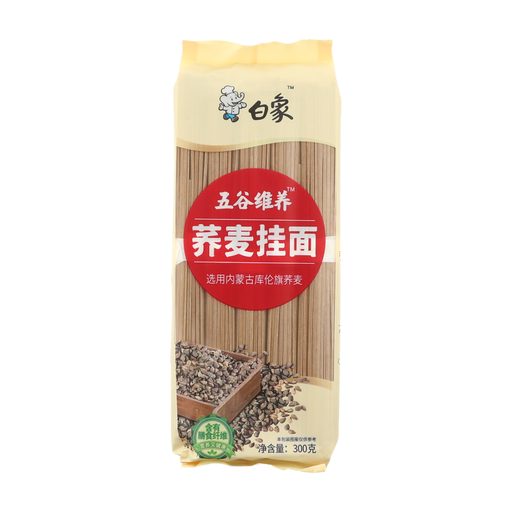 Image unavailable
Bai Xiang buckwheat noodles, 300 g
A base to pair with the ingredients in your lunch. Check the proportion of buckwheat, nutrition information and allergens on the packet: the name alone doesn’t tell you whether the noodles are wholegrain.
View on Joybuy
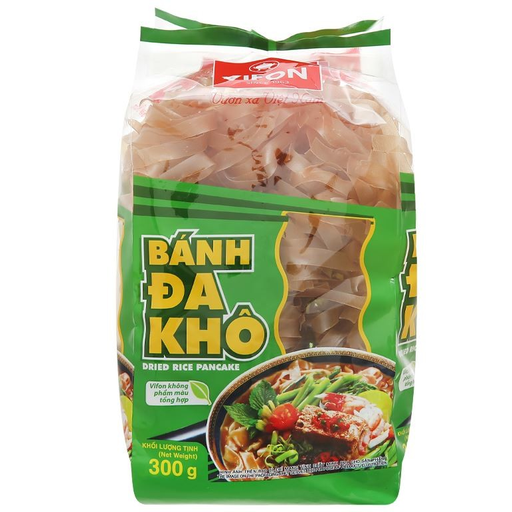 Image unavailable
Vifon dried brown rice noodles, 300 g
For a lunch you can serve with vegetables and other accompaniments. Soak and then cook according to the packet instructions. If allergens are a concern for you, check the information about where the product is made too.
View on Joybuy
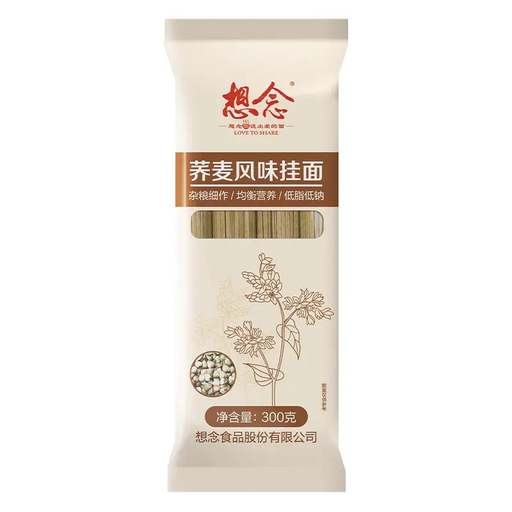 Image unavailable
Xiang Nian buckwheat-flavour noodles, 300 g
A different noodle base for a bowl with your choice of toppings. “Buckwheat flavour” doesn’t tell you how much buckwheat flour the product contains or whether the noodles are wholegrain. Check the ingredients, allergens and cooking instructions.
View on Joybuy
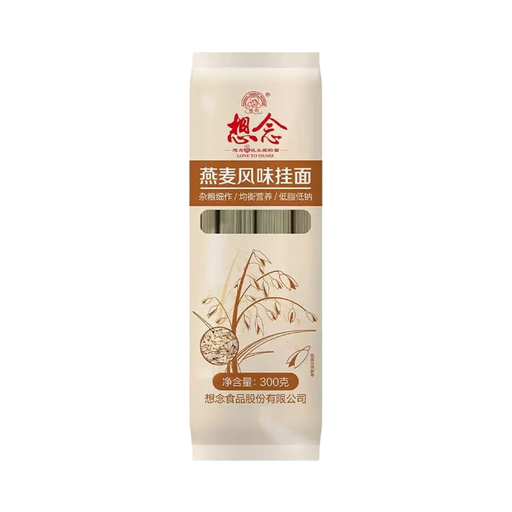 Image unavailable
Xiang Nian oat-flavour noodles, 300 g
Another base to serve with whatever you’re having for lunch. “Oat flavour” doesn’t tell you how much oat the product contains or confirm that it’s wholegrain. Check the ingredients and cooking time on the packet.
View on Joybuy
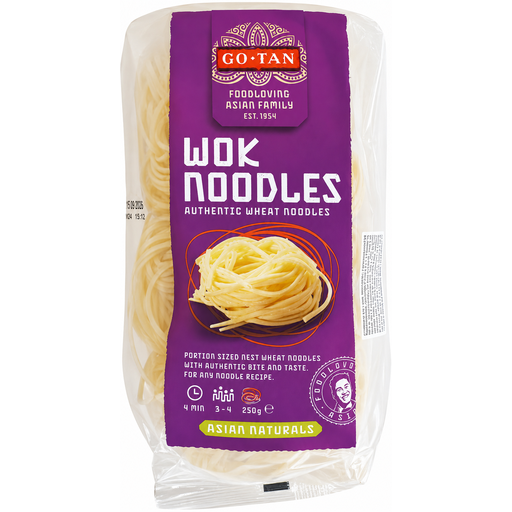 Image unavailable
GO-TAN wok noodles, 250 g
For a noodle dish made with the ingredients you choose. Check the cooking time and salt content on the packet before comparing this product with others.
View on Joybuy
Frequently asked questions
Should you choose wholegrain noodles for this lunch?
Wholegrain or semi-wholegrain noodles are a good choice if you want this type of grain-based option: Manger Bouger recommends choosing wholegrain or semi-wholegrain starchy foods. Add other ingredients to suit the lunch you want to make; a packet of noodles on its own won’t provide everything you need for your meal.
How do you compare two packets of noodles?
Compare the nutrition information on the same basis of 100 g, looking in particular at salt, fat and sugars, then consider how much you’ll eat. Check the ingredients list too, especially if the noodles come with seasoning.
How can you identify allergens?
Read the ingredients list for the exact product you’re buying. The French Directorate-General for Competition Policy, Consumer Affairs and Fraud Control says that allergenic ingredients must be highlighted in the list. A name such as “ramen”, “udon” or “buckwheat noodles” isn’t enough to tell you whether the product contains wheat.
Can pre-cooked noodles be stored in the cupboard?
It depends on the storage instructions for the product you buy. “Pre-cooked” describes the format, but doesn’t tell you where it should be stored. Check the packaging and date before adding the product to your store-cupboard supplies.


