
Livraison le jour même ou le lendemain

Qualité garantie

Débloquez vos offres de bienvenue: Livraison GRATUITE | Jusqu'à -80 % | 30 jours d'essai gratuits à JoyPlus
Téléchargez l'application
Overflowing seasonal clothes, bulky duvets that cannibalize an entire shelf, a chronic lack of space in a small apartment… Clutter creeps in, and with it, a heavy dose of stress. Finding the right storage solution seems simple, but the market is flooded with products making tempting promises that often don't deliver.
As a product expert at Joybuy, my mission is to help you cut through the noise. Together, we'll break down the common pitfalls and the criteria that truly matter, ensuring your next purchase for home organization is a smart investment, not just another disappointment.
Before you fall for the first deal you see, it's best to know the design flaws that can turn a good idea into a daily headache.
To avoid these traps, focus on a few key technical details. They are what make the difference between a purchase you'll regret and a solution that will genuinely change your life.
The durability of your storage solution depends first and foremost on its materials.
This is the most critical component, especially for storing seasonal clothing that needs to be protected from dust and moisture.
The golden rule, never to be forgotten: precisely measure your available space before clicking "Buy".
Instead of an endless list, here is our selection of products that check all the right boxes, tailored for specific needs.
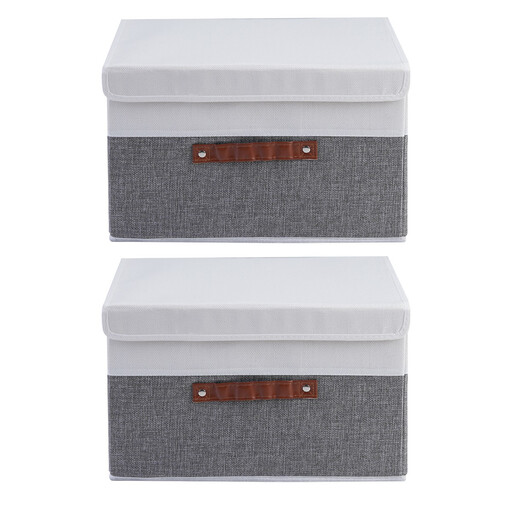
Why we chose it: When you live in a studio or a small apartment, versatility is key. These bins are just as effective for storing clothes in a closet as they are for organizing paperwork in the living room, all without sacrificing style.
This model includes a removable bottom board that gives it a rigid structure, preventing it from sagging like a simple fabric box. Its lid provides effective protection from dust.
Its foldable design allows you to store them flat when not in use. The textured handles are a nice decorative touch.
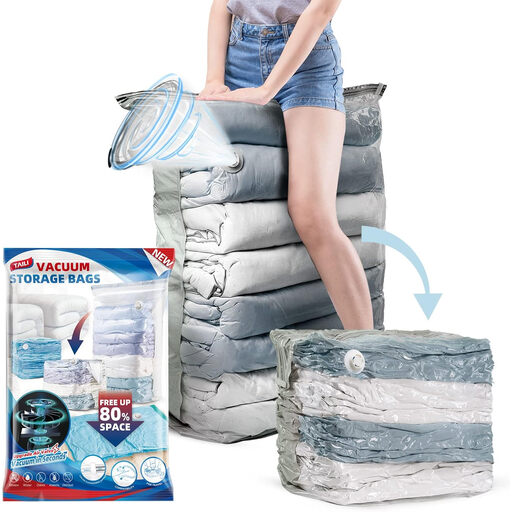
Why we chose it: For storing the whole family's duvets, pillows, and winter coats, bulk is public enemy number one. These cube-shaped bags offer XXL capacity and spectacular space savings.
Made of PA + PE, it's far more resistant to punctures. Its double zip and new-generation valve are designed to maintain the vacuum long-term and prevent the bag from reinflating.
Its self-supporting cube structure makes filling a breeze and allows for stable stacking in a closet or basement, unlike classic flat bags.
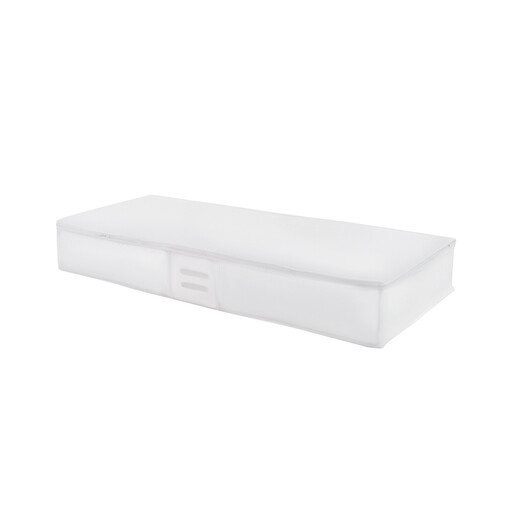
Why we chose it: The space under the bed is an often-untapped treasure. A bag specifically designed to slide in there lets you store a summer duvet or bed linens, keeping them dust-free without encroaching on your living space.
At 15 cm in height, this bag is designed to slide under the vast majority of bed frames, avoiding the classic trap of a product that's too tall and gets stuck.
Its large surface area (100 x 48 cm) is perfect for storing bulky items like a duvet or several blankets flat, while keeping them in pristine condition.
For those who want to optimize every nook and cranny around their bed, we've selected other products that meet our demanding selection criteria.
The lifespan of a compression bag depends on the quality of its materials (the PA+PE blend is the most durable) and how you use it. By avoiding contact with sharp objects and handling the zip with care, a good bag can last for several seasons without losing its seal.
It all depends on what you're storing. A rigid storage box is ideal for stacking and protecting fragile items. A soft bag, and especially a vacuum storage bag, remains unbeatable for maximizing space savings with compressible textiles (clothing, linens, duvets).
For most textiles, the risk is zero. However, be careful with items containing feathers or down: extreme and prolonged compression (more than a year) can compact the fibers and reduce their loft. For seasonal storage of 3 to 6 months, the impact is virtually non-existent. The pro tip: don't vacuum out every last molecule of air, leaving the fibers a little room to breathe.