
Livraison le jour même ou le lendemain

Qualité garantie

Débloquez vos offres de bienvenue: Livraison GRATUITE | Jusqu'à -80 % | 30 jours d'essai gratuits à JoyPlus
Téléchargez l'application
Is clutter taking over, making it a nightmare to find a place for everything? Whether it's toys invading the living room, seasonal clothing, garden tools, or important documents, the right storage solution is the key to reclaiming an organised and peaceful home. But be warned: the market is a jungle where attractive promises often conceal disappointing products. As product experts, our mission is to help you navigate the options and make a smart investment.
Before you dive in, watch out for these common pitfalls that can turn a good investment into a source of regret:
To avoid these disappointments, focus on objective technical criteria. Here are the key details to scrutinise before making a purchase.
The choice of material determines the product's durability, weight, and suitability for its intended environment.
Volume alone doesn't tell the whole story. A well-thought-out design simplifies daily use and genuinely optimises your space.
Because every home is unique, here are our recommendations, categorised by use case, to help you find the perfect home organisation solution for your needs.
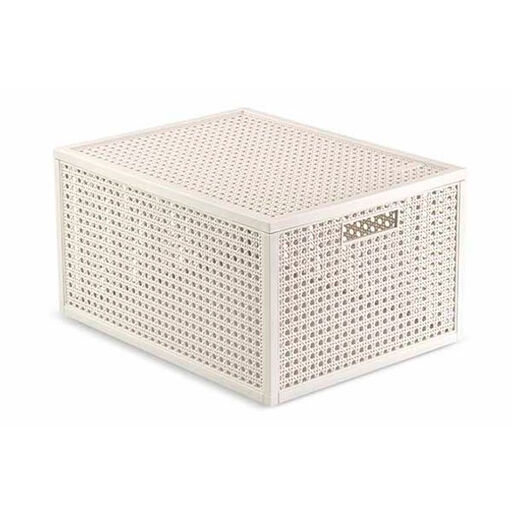
Why we chose it: Ideal for anyone looking to store magazines, remote controls, or toys in a living room or bedroom without sacrificing style. Its neutral design and construction from recycled materials make it a natural fit for any contemporary interior.
This basket sidesteps the "sacrificed durability" pitfall. Its breathable fabric structure is designed for light, decorative daily use and doesn't claim to offer heavy-duty robustness.
Lightweight and portable, its breathable fabric construction helps limit dust accumulation on stored items.
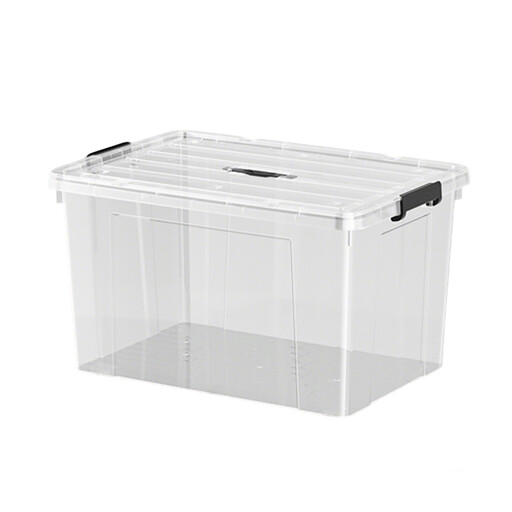
Why we chose it: Perfect for garage and cellar storage, archiving, or storing seasonal clothing. Its robust design is engineered to safely maximise vertical space. The transparent version allows you to identify the contents at a glance.
This product avoids the "deceptive capacity" pitfall. Its 2.5 mm thickened body, reinforcing ribs, and non-slip bottom guarantee stable stacking and a true load-bearing capacity.
Reinforced structure for high load capacity and secure stacking. Integrated ergonomic handles for easy transport.
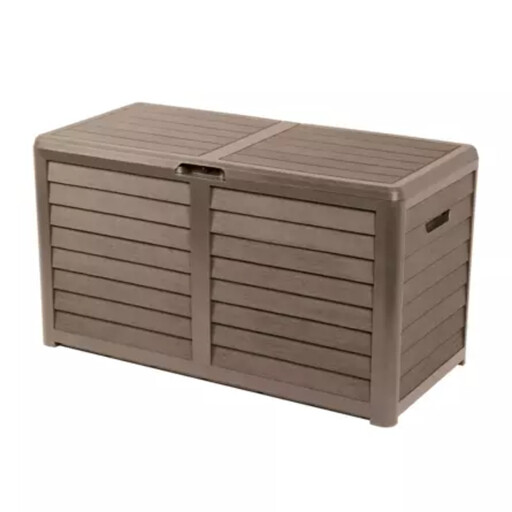
Why we chose it: For garden or patio owners who need to store gardening equipment, cushions, or pool accessories. Its large 420 L capacity and wood-effect design blend seamlessly into any outdoor decor.
It directly addresses the "false promise of waterproof" pitfall. Made from UV and frost-resistant polypropylene, it is built to last. It is also lockable and features integrated ventilation.
Easy tool-free assembly, large capacity, and Origine France Garantie (French Origin Guaranteed) certification. It also integrates anti-pinch and anti-suffocation safety features.
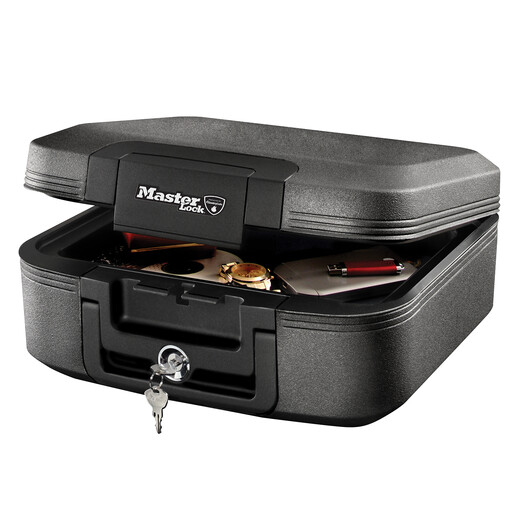
Why we chose it: For anyone concerned about protecting identity documents, important papers, and digital media (USB drives, CDs) from fire and floods. An essential security solution for complete peace of mind.
This is not just a simple box. Its true value lies in its objective certifications. It avoids the pitfall of products that claim to be "secure" without any proof. Here, its protection is validated by independent third-party organisations.
UL classified for 30-minute fire resistance at 843°C and ETL verified for protecting digital media and for water submersion.
We have selected other products that meet our demanding specifications and current standards.
Before you decide, measure the destination space (height, width, depth) and the items you plan to store. Don't think only in terms of volume; for example, a very deep box can quickly become impractical to access on a high shelf.
Most quality storage boxes are designed to be weather-resistant, but they are not submersible. For optimal protection, ensure the lid has a proper overhang on all sides and that the unit is assembled according to the instructions. The presence of ventilation is an excellent sign, as it helps prevent condensation from building up inside.
No, and this is a common pitfall. For stable and secure stacking, choose models with flat, reinforced lids and a base designed to interlock. As a rule of thumb, do not overload the boxes and always place the heaviest ones at the bottom of the stack. Finally, always adhere to the maximum load capacity specified by the manufacturer, if provided.