
Livraison le jour même ou le lendemain

Qualité garantie

Débloquez vos offres de bienvenue: Livraison GRATUITE | Jusqu'à -80 % | 30 jours d'essai gratuits à JoyPlus
Téléchargez l'application
Achieving a tidy, functional home is a dream for many of us. However, the quest for perfect storage often ends in disappointing purchases. Boxes that crack after a few months, lids that no longer close, or materials unsuitable for their intended use—the pitfalls are numerous and can turn a good intention into a source of frustration and wasted money.
Before you fill your shopping cart, let's review the most common design flaws that can render a storage solution useless in record time:
This guide is here to help you spot the technical details that make all the difference and invest in durable, practical storage solutions for your kitchen, office, or closets.
To avoid making another mistake, forget the marketing slogans and focus on a few key technical criteria.
The choice of material is crucial. It dictates the lifespan of your container and how you can use it.
Good design is, above all, practical for everyday use.
Here are our top picks that check all the boxes for quality and practicality, tailored for specific needs.
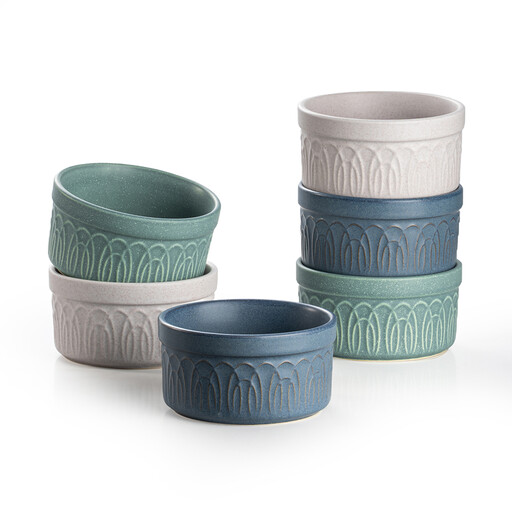
Why we chose it: Perfect for preparing individual portions, from crème br?lée and mini gratins to sauces and appetizers. Their understated design complements any dinnerware.
Unlike disposable or single-use containers, this ceramic ramekin is a true workhorse: it goes from the oven to the table and then to the freezer, offering maximum versatility.
Made of high-quality, non-toxic, and lead-free ceramic. It's oven, microwave, freezer, and dishwasher safe for incredibly simple use and care.

Why we chose it: A large-capacity solution perfect for storing out-of-season clothing, kids' toys, linens, or archives. Its transparency lets you identify the contents without having to unpack everything.
Its structure is reinforced (2.5 mm wall, ribs) to prevent sagging under weight. The flat lid and non-slip base ensure stable stacking, unlike cheap boxes that end up sliding around.
Its robust PP plastic design and ergonomic handles make it easy to carry, even when fully loaded. The stable stacking helps maximize vertical storage.
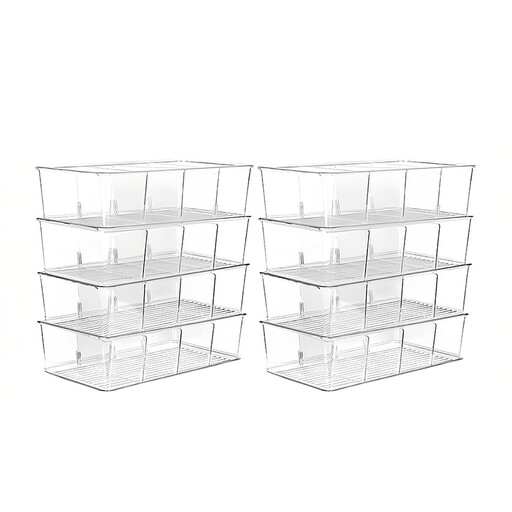
Why we chose it: Ideal for finally bringing order to office drawers, kitchen cabinets, or shelves. It perfectly compartmentalizes tea bags, coffee pods, office supplies, or beauty products.
Its modular design prevents the jumbled mess of small items, a common problem with "catch-all" boxes where everything ends up in a pile at the bottom.
The transparent PET plastic offers perfect visibility of the contents, simplifying organization by category and making items accessible in an instant.
We have selected a full range of products that meet our selection criteria and current safety standards.
Measure your available storage space (height, width, and depth of the shelf or closet). Then, estimate the volume of the items you need to store. Our advice: it's better to opt for several medium-sized boxes rather than one very large one, which can quickly become too heavy and difficult to handle.
Polypropylene (PP), identified by the number 5 inside the recycling triangle, is considered safe for food contact. It does not contain BPA, resists heat well, and does not leach chemicals into food. It is the most commonly used plastic for food containers, yogurt cups, and many other types of packaging.
Utilize vertical space with wall shelves and stackable boxes. Use organizers to compartmentalize your drawers and cabinets. Finally, use uniform containers for dry goods (pasta, rice, flour): in addition to being aesthetically pleasing, this saves space and lets you see your stock at a glance.