
Livraison le jour même ou le lendemain

Qualité garantie

Débloquez vos offres de bienvenue: Livraison GRATUITE | Jusqu'à -80 % | 30 jours d'essai gratuits à JoyPlus
Téléchargez l'application
A cluttered desk slows down searches, encourages duplicate purchases and quickly creates a messy impression. At home or at work, a storage organiser should first and foremost suit the items you actually use, the space available and the load it is expected to hold.
To avoid a disappointing purchase, it is best to look beyond colour and marketing promises. A desk organiser that is not deep enough, a plastic storage box that cannot be stacked or an unstable unit can all end up in the cupboard within a few weeks.
A compact accessory can free up space on your desk, but its compartments may not be suitable for the items you want to store. Pens, scissors and sticky notes do not fit in the same way as A4 files or bulkier supplies.
Before choosing, make an inventory of the items to be stored and measure the bulkiest ones. For desk storage, check the height of the compartments, as well as the space needed to open a drawer or remove a tray.
A shelving unit or storage rack may look sturdy in a photograph without its maximum load being clearly stated. A tall unit should be installed on a stable surface and, if recommended by the manufacturer, secured to the wall using the device provided.
For desk accessories, also check the weight of the items placed in each compartment. Overloading can deform the plastic, jam the drawers or cause a tiered organiser to tip over.
Plastic is generally suitable for cupboards, garages and areas subject to frequent handling. Foldable fabric is practical for clothes or laundry, but it cannot replace a rigid box for documents that could be crushed.
Transparent storage lets you see the contents immediately, while an opaque finish hides clutter more effectively. The choice therefore depends as much on how you plan to use it as on its appearance.
Measure the width, depth and height of the space, taking skirting boards, doors and cables into account. On a desk, a few extra centimetres can become inconvenient in everyday use.
For files, choose an A4-compatible document organiser. Sloping or sliding trays let you consult papers without having to move the entire pile. For small accessories, a pen holder or compartment organiser reduces repeated searching.
Polypropylene (PP) is widely used for plastic storage boxes. A reinforced wall and clip-on lid make stacking and carrying easier, but it is still essential to respect the recommended load and avoid excessive heat.
Painted metal is suitable for document trays when a rigid structure is preferred. Oxford fabric combined with a cardboard structure provides a foldable solution for laundry, toys and clothes. In all cases, check the cleaning instructions: some baskets can only be cleaned with a damp cloth and are not machine washable.
For a storage unit or cube shelving, check for an anti-tip device if the product is tall. Place heavy items in the lower compartments and follow the warnings regarding children, flames and overloading.
The manufacturer’s details and those of the responsible person in the European Union should appear on the product page. They do not replace the installation instructions, but they help identify the product and its compliance chain.
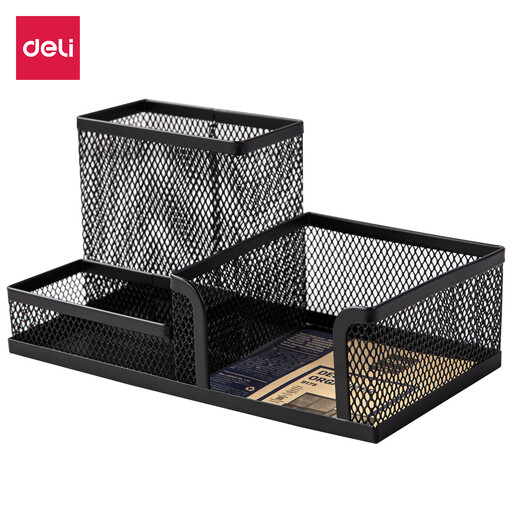
Why this choice suits this profile : Its many compartments keep pens, scissors, rulers, sticky notes and small accessories together in one workspace. It is ideal for a student or anyone starting to organise their desk.
The product description highlights a compact design requiring no installation, so it takes up little space and needs no assembly.
Black plastic, individual format, several storage compartments and cleaning with a soft damp cloth.
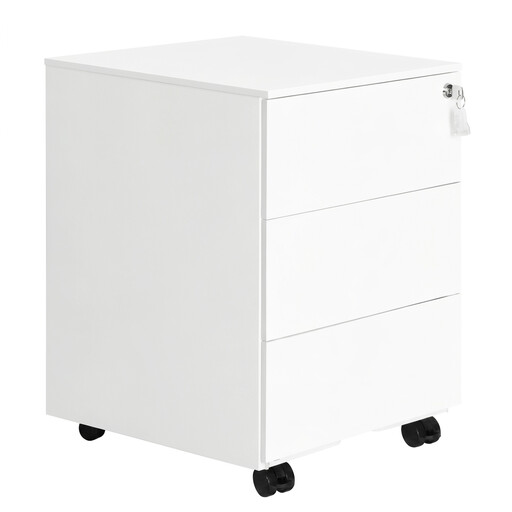
Why this choice suits this profile : This mobile cabinet is designed for remote workers who want to keep documents and supplies together in a closed unit, offering more structured organisation than a simple desk accessory.
Its three drawers and lock keep sensitive papers from being left in full view on the desk.
Steel structure, three drawers, stated capacity of 15 kg per drawer and castors, two of which have brakes.
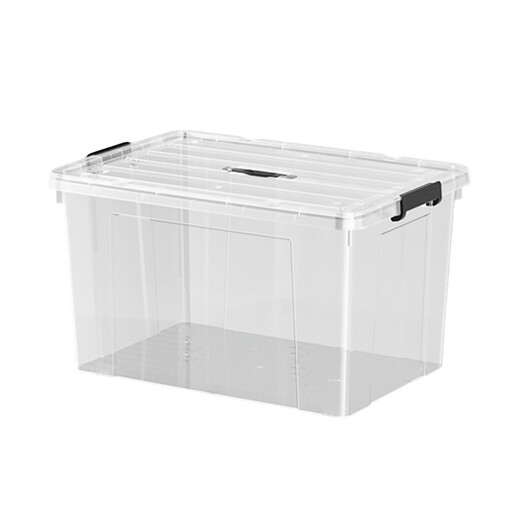
Why this choice suits this profile : This pack of four boxes meets storage needs at home, in the garage, on a balcony or in the office when the number of item categories starts to grow.
Measuring 42 × 30 × 25 cm and featuring a stackable design, these boxes make it easy to check the available space precisely before buying.
PP plastic, 2.5 mm walls, clip-on lid, integrated handles and non-slip base.
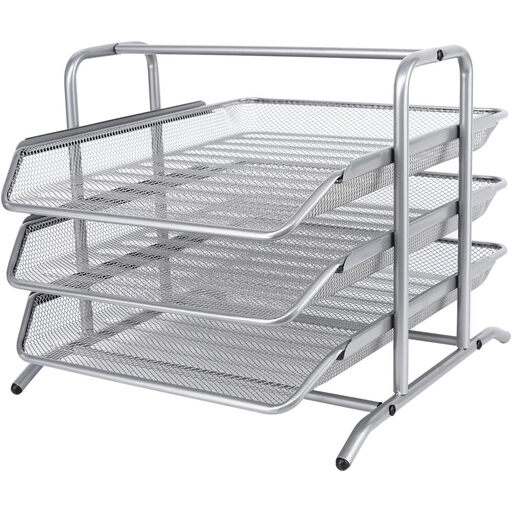
Why this choice suits this profile : Its three trays are ideal for sorting post, files, forms and magazines in a shared space.
A4 compatibility and the stated dimensions help you avoid choosing a tray that is too narrow for everyday documents in France.
Painted metal, three removable trays, rubber feet and dimensions of 35.5 × 29.5 × 26 cm.
We have selected a complete, real-time updated range of products that meet these demanding criteria and European safety regulations.
Start with the items you use every day. A pen holder or compartment model is enough for everyday supplies. For files, choose a vertical or tiered document organiser, checking that it is compatible with A4 format and that there is enough room to handle the papers.
Respect the stated load capacity, avoid sharp objects and do not place the box near a heat source. For a stackable model, distribute the weight evenly and make sure each lid is properly closed. Cleaning with a damp cloth helps prevent dust build-up without damaging the material.
A foldable basket is suitable for clothes, toys and textiles that can be grouped together without rigid protection. A storage unit or rigid box is better suited to documents, heavy items and articles you access frequently. The right choice depends on how often you need to access the contents, the weight of the items and the space available.