
Livraison le jour même ou le lendemain

Qualité garantie

Débloquez vos offres de bienvenue: Livraison GRATUITE | Jusqu'à -80 % | 30 jours d'essai gratuits à JoyPlus
Téléchargez l'application
A well-organised home isn’t just about how much furniture you have. Sometimes, a few carefully chosen accessories are all it takes to free up worktop space, stop things from going missing, and make daily tasks a little lighter. The trick is picking the right storage and organisation accessories for the home.
A box that’s too bulky will clutter a cupboard, an adhesive hook will peel off a dusty surface, and a poorly compartmentalised jewellery organiser will turn your necklaces into a tangled mess. To buy wisely, it’s best to check the dimensions, materials and intended use before trusting a pretty picture or a marketing promise.
A large-capacity storage box isn’t necessarily right for your home. In a small kitchen, the depth of the cupboard, the height between shelves, and whether containers can be stacked all matter just as much as the volume stated on the product page.
Before you order, measure the available space, taking handles and lids into account. For a drawer, also check that it opens fully. An accessory that blocks the cupboard will soon end up at the back of a wardrobe, even if it looked particularly roomy.
Glass, plastic, metal, wood and fabric all have different strengths. A glass food storage container is ideal for keeping prepared meals, but its weight can be a drawback when you’re carrying it in a bag. Plastic is generally lighter, while a fabric basket is handy for laundry or items that aren’t exposed to moisture.
The term Tritan refers to a type of plastic used for some containers and bottles. On its own, it doesn’t tell you everything about the product. Always check the manufacturer’s details on food safety, temperature tolerance, cleaning instructions and appliance compatibility.
No-drill adhesive hooks are a great option for rented accommodation or a student bedroom. However, how well they stay put depends on the surface, the weight they’re holding, and how you prepare the wall. They shouldn’t be placed on a damp, greasy or dusty surface without following the manufacturer’s guidelines.
In the bathroom, a metal shelf can provide welcome extra storage. But you need to check the ventilation, moisture resistance and overall stability. For every product, take the time to read the warnings, dimensions and cleaning instructions before you start using it.
Compare the external dimensions with the space you have, then look at the internal shape. A rectangular box is easy to store in a fridge or cupboard, while an open basket lets you grab towels, toys or office supplies quickly.
For a bathroom shelf or a basket unit, check the width of the base, the total height and how the weight is distributed. A multi-tier structure needs to stay stable when the baskets are full.
Look for the main material, any coatings, and any usage restrictions. For kitchen accessories, the product page should clearly state what it’s designed for. A food container shouldn’t go in the oven or freezer unless it’s explicitly marked as suitable.
Details about the manufacturer and the responsible person in the European Union help with traceability. They don’t replace reading the safety instructions or checking the product’s specific features.
An item you use every day needs to be easy to open, pick up and clean. For makeup storage, visible compartments help you find lipsticks, brushes and nail polishes quickly. A jewellery organiser should separate different types of pieces and stop chains from tangling.
For travel, go for a compact size, a secure closure and a reasonable weight. Travel accessories, like refillable bottles or a small compartment box, should fit in your wash bag without taking up all the space.
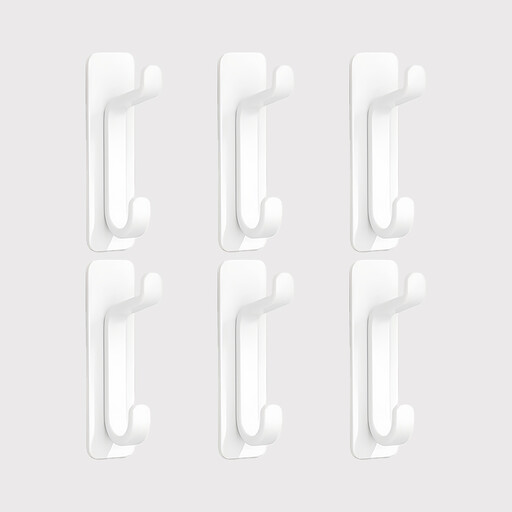
Why this suits this profile: These six hooks are ideal for tenants, students and anyone who wants to add hanging points without drilling into the wall.
The pack lets you test several locations, as long as you stick to the maximum weight and follow the fitting instructions.
Six pieces, stainless steel finish and no-drill installation.
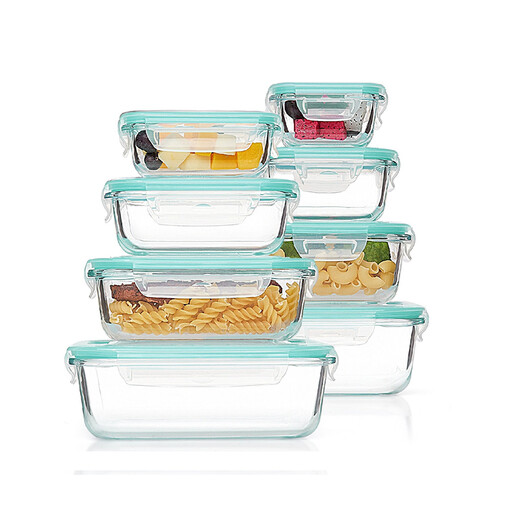
Why this suits this profile: This set offers several sizes, from 150 ml to 1,040 ml, for organising portions, leftovers and packed meals.
The varied sizes reduce wasted space and stop you using a large container for a small amount.
An eight-piece set in borosilicate glass, with rectangular shapes and removable lids as stated.
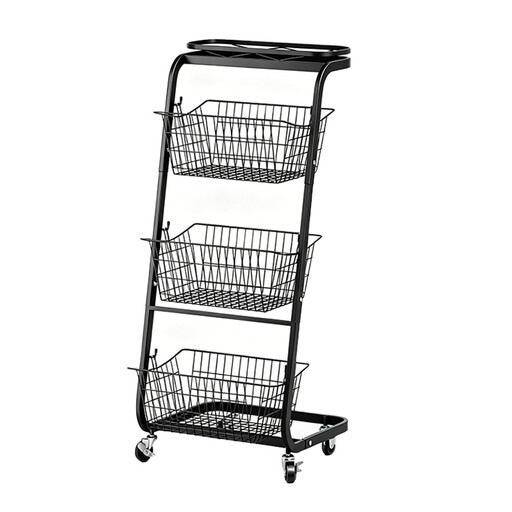
Why this suits this profile: This vertical solution is designed for families and homes that lack cupboard space in the kitchen, bedroom or living room.
The three-tier storage uses height rather than floor space, while keeping items grouped together.
A floor-standing three-tier structure, suitable for the home, kitchen, bedroom and living room.
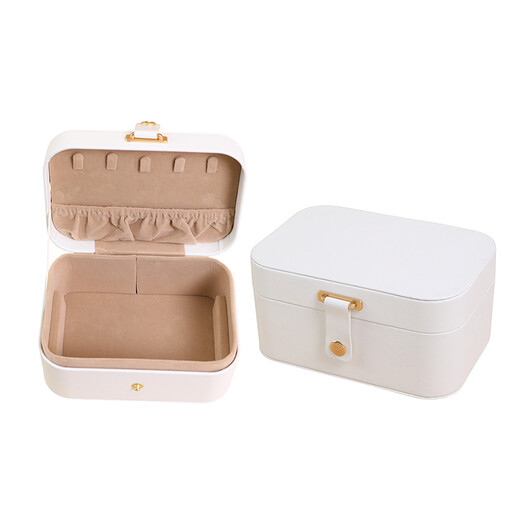
Why this suits this profile: Its compact size of 16 × 8 × 12 cm is perfect for a dressing table, bedside table or suitcase.
The two layers and dedicated compartments stop earrings, rings and necklaces from getting mixed up.
Two layers, flocked interior and PU leatherette exterior, according to the product page.
Start by measuring your cupboards and go for stackable or rectangular shapes. Glass food containers work well for portions and leftovers, while a set of measuring cups makes food prep easier. Keep everyday accessories within easy reach and store occasional items on the higher shelves.
Stick to the maximum weight, avoid moisture if the material isn’t designed for it, and only use the recommended cleaning methods. For adhesive hooks, check regularly that they’re still holding firmly. For containers, inspect the lids and replace any that are cracked or warped.
Silicone refillable bottles (60 ml), a small jewellery box, compact clothes pegs, or a Tritan water bottle can all meet different needs. Always check the volume, weight, stated leak-proofing and compatibility with your mode of transport before you buy.