
Livraison le jour même ou le lendemain

Qualité garantie

Débloquez vos offres de bienvenue: Livraison GRATUITE | Jusqu'à -80 % | 30 jours d'essai gratuits à JoyPlus
Téléchargez l'application
A tidy home starts with the right containers. Simple, right? Not quite. Faced with a huge range of options, it's easy to end up with boxes that warp, lids that won't seal, or containers that permanently smell like yesterday's curry. To prevent your good intentions from turning into buyer's remorse, here are the pitfalls to avoid.
The two classic mistakes? Falling for marketing hype and overlooking material quality. A storage container advertised as "?airtight?" might start leaking after three dishwasher cycles if its seal is subpar. As for low-grade plastic, it stains, scratches, and more worryingly, may not be food-safe at all temperatures.
To avoid these disappointments, a few technical details make all the difference in daily use. A well-organised kitchen or cupboard comes down to durability and practicality.
The choice of material depends primarily on its intended use.
An effective closure is what separates a simple box from a true preservation partner. Systems with four side clips, combined with a removable silicone seal, are generally the most reliable. The seal ensures a perfect airtight closure, preventing leaks and protecting food from the air. The fact that it's removable is a major plus for deep cleaning, which prevents mould growth. For dry goods (pasta, flour, etc.), airtight jars with screw-on or lever-arm lids are also highly effective.
A good storage system should optimise space. Favour models that allow for stable stacking. Lids that are flat with raised edges or have bases designed to interlock will prevent wobbly stacks in your cupboards. Transparency is another significant advantage: it allows you to identify contents at a glance without having to unstack everything.
To put theory into practice, here are a few products that perfectly illustrate these criteria, each designed for a specific need.

Why we chose it: This comprehensive set is the perfect partner for meal prepping. The different sizes allow you to portion out main dishes and sides, and the borosilicate glass goes safely from the fridge to the microwave or oven for easy reheating.
No more containers stained orange by tomato sauce or smelling of fish after washing. The glass remains neutral. The clip-lock system guarantees a foolproof seal for transporting your lunch without any risk of leaks.
An ultra-versatile set that covers all your needs, from fridge storage to oven cooking, for healthy and sustainable organisation.
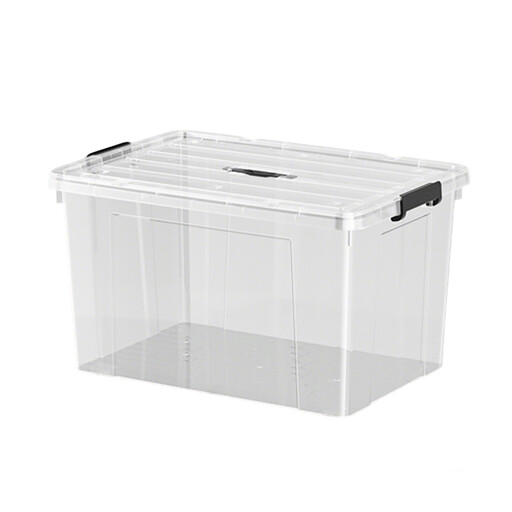
Why we chose it: Perfect for storing bulky items in the basement, garage, or wardrobe. These thick PP plastic bins are designed to hold duvets, out-of-season clothing, or tools, keeping them protected from dust and moisture.
The lid and base are designed for perfectly stable interlocking: goodbye to precarious stacks on the verge of collapse. The thick (2.5 mm) plastic and structural reinforcements prevent the bin from warping under weight.
A large capacity and a reinforced structure for reliable vertical storage and optimal space saving.
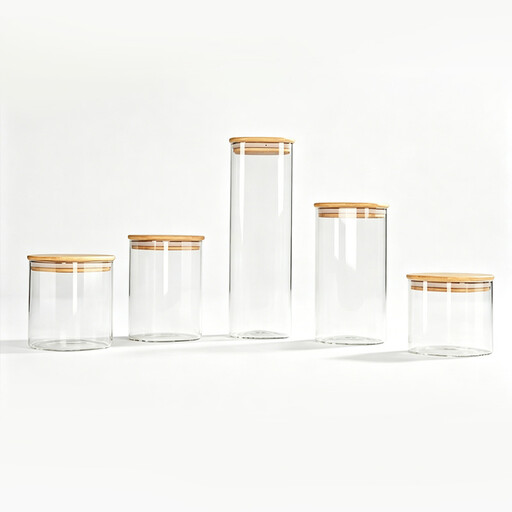
Why we chose it: For those who want a pantry that is as beautiful as it is practical. With their clean design and elegant lids, these jars are perfect for storing dry goods (pasta, rice, legumes, cereals) and turning a simple shelf into a design feature.
Unlike simple decorative pots, these jars include a seal that provides a truly airtight closure. Your goods are thus effectively protected from pantry moths and humidity.
The perfect blend of sophisticated aesthetics and flawless functionality. Storage becomes a feast for the eyes.
Explore our full selection of products that meet our strict quality and safety standards.
Look for two indicators on the product or its packaging: the "BPA-free" label and the "glass and fork" symbol. The latter certifies that it is food-safe according to European regulations. As for the recycling codes, look for plastics numbered 2 (HDPE), 4 (LDPE), or ideally, 5 (PP). It is the most versatile in the kitchen because it withstands heat, cold, and fats.
Yes, but only on one condition: it must be borosilicate glass. This type of glass is designed to handle extreme temperature changes. However, it is imperative to always remove the plastic lid before putting the dish in the oven or microwave, otherwise it could melt. To minimise the risk of thermal shock, even with this type of glass, it is advisable to let the dish sit at room temperature for a few minutes before placing it in the oven.
To ensure their longevity and perfect hygiene, the best practice is to remove the seals from the lids before each wash. Washing by hand with hot, soapy water or placing them in the top rack of the dishwasher is ideal. Crucially, make sure the seal and the groove in the lid are completely dry before putting it back. This is the best way to prevent mould and maintain a perfect seal.