
Livraison le jour même ou le lendemain

Qualité garantie

Débloquez vos offres de bienvenue: Livraison GRATUITE | Jusqu'à -80 % | 30 jours d'essai gratuits à JoyPlus
Téléchargez l'application
Piling up clutter, overflowing items… it's a real source of daily stress. In the kitchen, garage, or closets, good organisation is the key to peace of mind. The problem? The market is flooded with miracle solutions that rarely deliver on their promises. A storage box chosen in a hurry often turns into a purchase you'll regret.
As the Head of Product Curation at Joybuy, I analyse dozens of products every day. My goal: to guide you through the jungle of options, help you avoid marketing traps, and give you the keys to making the right choice, every time. Follow this guide.
Before you fall for the first deal you see, let's review the hidden flaws that make so many containers ready for the trash after just a few months.
airtight container, but their silicone seal or locking mechanism wears out after a few dishwasher cycles. The result? Food is no longer truly protected, and leaks start to appear.plastic storage crate made from a material that's too thin or of poor quality is a disaster waiting to happen: it cracks under weight, warps at the first sign of thermal shock (from freezer to microwave), and eventually turns yellow.stackable box, where the lid and base don't fit together properly, creates leaning towers ready to collapse. Not only is this dangerous, but it's also a waste of precious vertical space.To avoid being fooled by marketing, you need to focus on technical and objective criteria. Here are the points to inspect closely before you buy.
The type of plastic determines the strength, food safety, and longevity of your container.
food storage container. It's known for its heat resistance, which generally makes it microwave and dishwasher safe. Make sure it's certified BPA-free (Bisphenol A) for safe food contact.freezer bag, choosing a model that incorporates recycled materials is an excellent choice. Rest assured, this doesn't change its ability to protect your food from frost.storage bin with a lid intended for heavy objects, check the plastic's thickness (in mm) and the presence of reinforcing ribs on the walls and in the corners.A container's seal depends primarily on its locking system.
fridge organiser that will hold liquids or need to preserve freshness.A good storage container should help you save space, not waste it.
kitchen storage with precision, leaving no wasted space.Let's get practical. Here is our selection of products that check all the boxes, for different needs and budgets.

Why we chose it: The perfect solution for organising the garage, attic, or closets with bulky items. Its transparency allows you to identify the contents at a glance.
The 2.5 mm thickened body and reinforcing ribs neutralise the fragile plastic trap. The flat lid and non-slip base ensure stable stacking, putting an end to wobbly piles.
Ultra-sturdy structure designed for heavy loads and secure stacking, optimising vertical space.
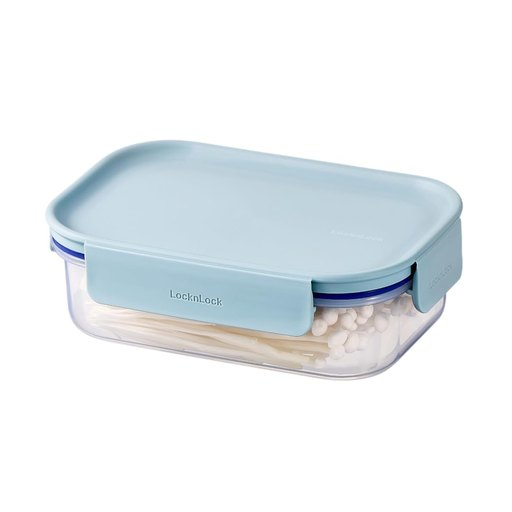
Why we chose it: Ideal for individual portions and meal prep. Its modular and stackable design is specially engineered to optimise every square inch of your fridge and cupboards.
Its four-clip locking system and silicone gasket ensure a flawless seal, ending the myth of the "fake airtight" container. Its stackable design is both stable and incredibly efficient.
Made of BPA-free plastic, it's freezer, microwave, and dishwasher safe for ultimate versatility.
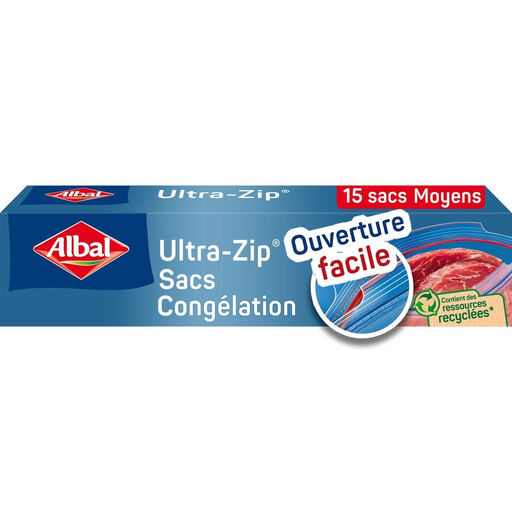
Why we chose it: A flexible and incredibly effective solution for freezing soups, sauces, meats, or vegetables while optimising space in the freezer drawer.
The double zipper closure guarantees a foolproof seal, perfectly protecting food from freezer burn—the number one flaw of low-quality bags.
Made with 70% recycled resources, it combines high-performance preservation with an eco-conscious approach.
Discover our complete selection of products vetted by our experts, all meeting the strictest standards.
What is the lifespan of a plastic storage container? It all depends on the quality of the plastic and how you use it. A quality polypropylene (PP) model with a solid closure will last for several years, even with repeated trips to the dishwasher and microwave. Conversely, a budget container is likely to crack or lose its seal in just a few months.
How can I tell if a container is truly airtight? The secret is in the lid. Look for a silicone gasket (often removable for cleaning) and a four-sided clip-locking system: this is the winning combination for a perfect seal. The foolproof test? Fill it with water, close it, and turn it upside down. If nothing drips, you're good to go!
Can all plastic containers go in the microwave? Absolutely not! This is a golden rule: always check for the "microwave-safe" symbol on the container or its packaging. Only heat plastics designed for this purpose, like polypropylene (PP), and never forget to slightly open the lid or lift the valve to let steam escape.