
Livraison le jour même ou le lendemain

Qualité garantie

Débloquez vos offres de bienvenue: Livraison GRATUITE | Jusqu'à -80 % | 30 jours d'essai gratuits à JoyPlus
Téléchargez l'application
A storage box can quickly become useless if its size, closure system or durability doesn't match the intended use. Between models sold as "large capacity", fabrics that lose their shape and lids that are fiddly to handle, some purchases end up at the back of a cupboard after just a few weeks.
Before comparing prices, it's worth spotting the main pitfalls:
Start by measuring the available space: height under the bed, depth of the shelf, width of the wardrobe or boot volume. An under-bed storage box generally needs to stay quite low, while offering a wide enough base to hold duvets, coats or household linen.
For seasonal clothing, models of 30 to 40 litres often work well for sorting by category. A large-capacity storage box, such as an 84-litre model, can hold more items, but it also becomes heavier to move. So check for sturdy handles or wheels.
The stated capacity should also be compared with the maximum load it can support. For example, each JOYFURNOS 30-litre box is rated for a maximum static load of 3 kg. This detail helps you avoid overloading and warping the panels.
A storage box with a lid protects your belongings from dust, but how you use it varies depending on the model:
For linen, clothes or accessories, choose a model that opens easily and has a handle on the front. For occasional use, a standard lid can be perfectly adequate.
Non-woven fabric is lightweight and folds easily. It works well for clothes, sheets and light items, as long as you stick to the stated load. Reinforced cardboard panels offer more structure, but they must not be exposed to moisture.
Used on some rigid boxes, polypropylene withstands handling better and can be cleaned with a damp cloth. It's particularly suitable for camping storage boxes or garage accessories. However, avoid placing these products near a flame or heat source.
For food, borosilicate glass and stainless steel meet different needs. A glass food container is suitable for storing and transporting prepared meals, while a compartmentalised stainless steel lunch box is more for eating on the go. Always check the manufacturer's instructions regarding the dishwasher, oven, microwave and cleaning.
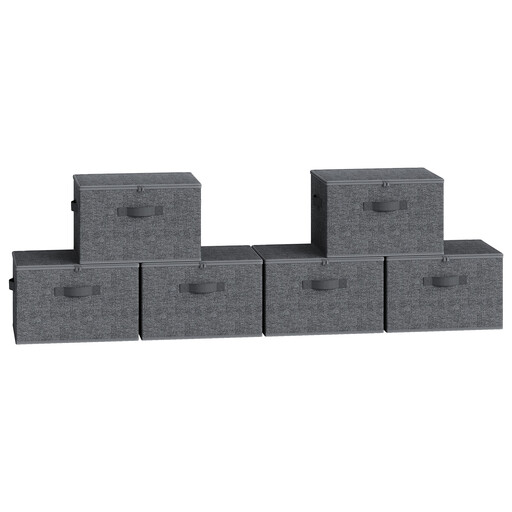
Why this choice suits this profile: This set of six boxes lets you start organising your belongings by category, in a bedroom, dressing room or student accommodation. Each box measures 40 × 30 × 25 cm and offers a stated volume of 30 l.
The zipped lids open on three sides and the boxes fold flat when not in use, which saves space.
Six handles are distributed between the front and sides. The stated maximum static load is 3 kg per box.
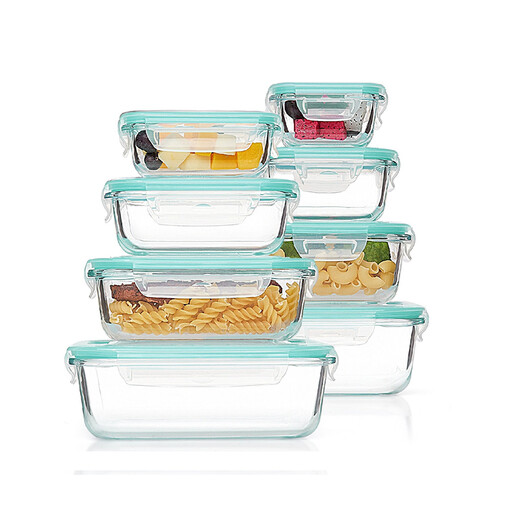
Why this choice suits this profile: The eight containers, from 150 ml to 1,040 ml, let you match the size to portions, fridge storage or taking your lunch to work.
The variety of sizes stops you choosing an oversized container for a small portion. The removable lids also make cleaning easier.
The borosilicate glass comes with airtight lids, according to the product sheet. The capacity of each piece is clearly stated.
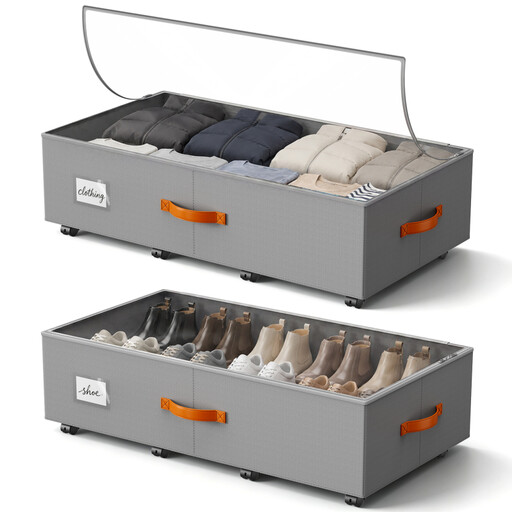
Why this choice suits this profile: This set of two boxes is for people who regularly use the space under the bed, sofa or a low piece of furniture to store linen and seasonal clothes.
The transparent window, zip closure and wheels make the contents more accessible without having to lift the whole box.
The size is designed to slide under furniture. The wheels make it easy to move on a suitable surface.
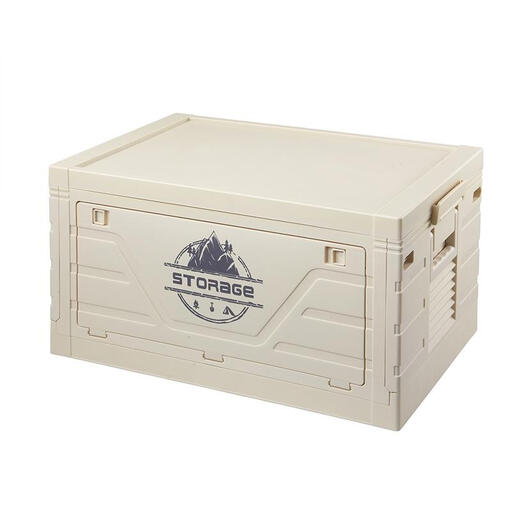
Why this choice suits this profile: This camping storage box, measuring 55 × 37 × 30.5 cm, is suitable for outdoor gear, car accessories and equipment that needs stacking.
Its side handles, flat lid and PP structure are designed for transport and stackable storage.
The product weighs 1.8 kg and requires no assembly. The manufacturer recommends cleaning with a soft, damp cloth.
A compartmentalised lunch box separates foods and stops your preparations from mixing during transport. The Maxcook model with five compartments is made from 316L stainless steel and has a PP lid with four clips. The product sheet recommends hand washing, advises against using it in the microwave and suggests checking the seal is secure before travelling.
For lunch at the office, a glass box available in several sizes could be a good option if you transport prepared meals. In a student's bag, a compartmentalised stainless steel lunch box may be more practical for everyday use, as long as you follow the manufacturer's instructions on care and temperature limits.
A storage basket fits easily into an open shelf, a cubby unit or a hallway. The Curver KAYA Box 20 l measures 41.6 × 30 × 7.1 cm and is made from recycled materials, according to its product sheet. The stated maximum load varies depending on the basket size. It's best to spread items out and avoid using it as a seat.
For clothes, the ANQI under-bed models each measure 70 × 43 × 18 cm and are sold in pairs. The COMPACTOR Life Under-Bed Storage Box, meanwhile, measures 108 × 45 × 15 cm and is suitable for duvets, blankets and other bulky textiles. In both cases, keep items dry and avoid sharp objects.
We've put together a comprehensive, real-time selection of products that meet these demanding criteria and European safety standards.
Measure the available height before buying. A low model with a zip or lid will better protect clothes from dust. Handles and wheels are particularly useful if you check the contents regularly.
Yes, if its sides are properly reinforced and the maximum load is respected. For heavy items or frequent use, examine the structure, handles and base rigidity before filling the box.
Avoid overloading, moisture and heat sources. Clean it according to the manufacturer's instructions, let textiles dry completely and store foldable boxes flat when not in use.