
Livraison le jour même ou le lendemain

Qualité garantie

Débloquez vos offres de bienvenue: Livraison GRATUITE | Jusqu'à -80 % | 30 jours d'essai gratuits à JoyPlus
Téléchargez l'application
Between models advertised as "multi-purpose", dimensions that are sometimes approximate and unreliable closing systems, buying storage boxes can quickly turn into a disappointment. At home, in the office, in a workshop or in a wardrobe, the right choice depends less on appearance than on the intended use, the available space and the level of protection you need.
A box can look spacious in a photo yet offer little room once it's in place. Check its external and internal dimensions, especially if you plan to slide it into a cupboard, under a bed or onto a shelf. Also think about the space needed to open the lid or pull out a drawer.
A stackable storage box must remain stable once loaded. Flexible walls, a poorly fitted lid or an uneven base can make stacking awkward, even risky. If you intend to use several, go for a regular shape and surfaces designed to interlock without slipping.
A storage box with a lock or a lockable storage box can restrict access, but it does not replace a safe. It is suitable for small items, documents, accessories or tools you want to keep out of reach. For its part, steel offers a different rigidity to plastic or fabric, but the weight, hinges and closing mechanism also deserve close attention.
Start by sorting the items you need to store:
For a shelf, measure the width, depth and height available. Leave a few centimetres of margin so you can handle the box without having to move neighbouring items.
The material should be chosen according to how often the box will be handled. A metal storage box can work well in a workshop or a space where items need better protection against minor knocks. Plastic and soft materials are often easier to move and clean, depending on their design.
Also examine the less obvious elements: edges, handles, drawer runners, hinges and interior lining. A removable or washable surface is particularly handy for cosmetics, accessories and stationery that might leave marks.
If the box needs to move regularly from one room to another, a storage box with a handle offers a very real advantage. For frequent trips, check that the handle is firmly attached to the structure and that the drawers or lid stay properly closed during transport.
A key lock, a latch and a combination padlock do not serve the same purpose. Before you choose, ask yourself whether you simply want to prevent accidental opening or whether you genuinely want to restrict access to certain items.
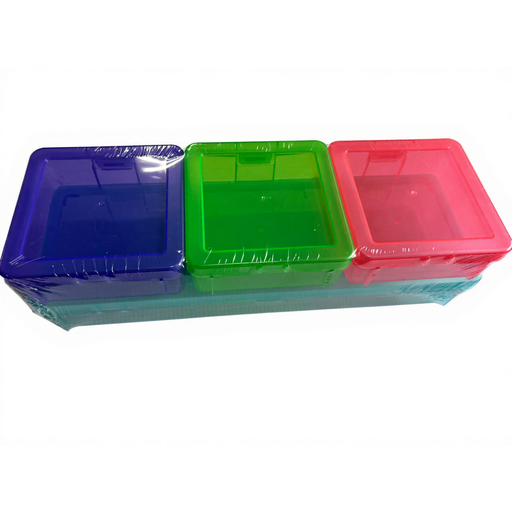
Why this choice suits this profile: This set of four boxes lets you gradually organise items from the living room, bedroom or office. Their uniform design makes for consistent organisation across several rooms.
The multi-pack format stops you from buying several incompatible models and helps you separate categories from the start.
Four units, versatile design and materials described as durable for everyday use.
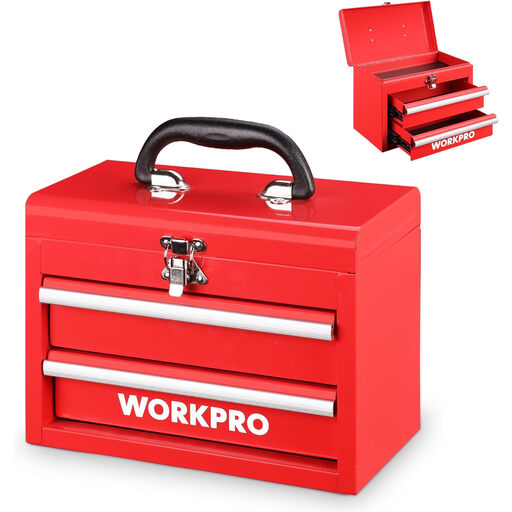
Why this choice suits this profile: This steel box is for people who want to combine structured storage, portability and secure closing in a compact format, whether in the office, a workshop or a dedicated room.
The two drawers and the top space stop you from cramming everything into a single compartment. The latch helps keep the drawers closed during transport.
Steel structure, carrying handle, latch closure, removable PVC mats and ball-bearing runners described as upgraded.
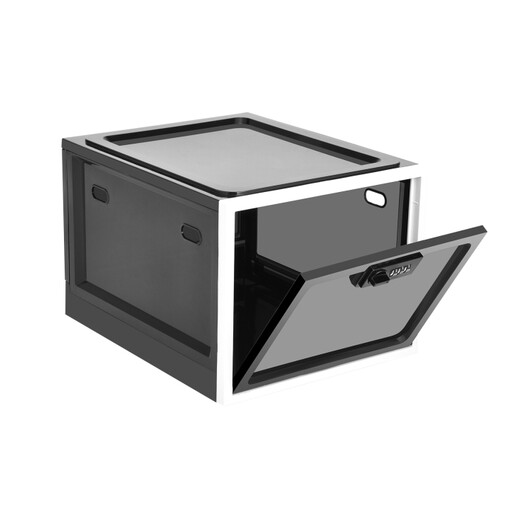
Why this choice suits this profile: Its combination locking and stackable design meet the need for separate storage in an office, wardrobe, store room or shared space.
The dimensions of 30.2 × 23.6 × 19.3 cm let you check the available space precisely. The combination lock means you do not have to keep track of an extra key.
Combination lock, stackable design and compact format for organising several categories without multiplying containers.
Before filling a box, group items according to how often you use them. Things you use every week should stay easily accessible, while seasonal items can be stored up high. Label the visible face and avoid filling containers completely: a little space makes them easier to pick up and limits distortion.
For a desk organiser, separate writing accessories, cables and small consumables. In a workshop, reserve compartments for screws, bits and compatible accessories. In a wardrobe, make sure textiles are clean and completely dry before sealing them away.
For tools, check the capacity, the sturdiness of the structure, the presence of a handle and the type of closure first. Drawers and compartments make sorting small parts easier. A metal box can be a good choice when rigidity is a priority, provided you are happy with a potentially higher weight.
Respect the intended load, avoid forcing the drawers and do not overload the compartments. Clean the surfaces with a product suitable for the material, dry them before closing the box and check the hinges, runners and locking systems regularly. A box with no power supply generally incurs no ongoing running costs, but it still needs regular maintenance.
A lock or combination restricts everyday access and can prevent accidental opening. However, it does not necessarily provide protection against break-in. For valuable items, choose a device designed for that level of security and check its features carefully before buying.