
Livraison le jour même ou le lendemain

Qualité garantie

Débloquez vos offres de bienvenue: Livraison GRATUITE | Jusqu'à -80 % | 30 jours d'essai gratuits à JoyPlus
Téléchargez l'application
A well-organised home ensures a clearer mind and a more peaceful daily life. Yet, finding the perfect storage box often feels like an uphill battle. Caught between marketing promises and real-world performance, we quickly end up with solutions that create more clutter than they solve. Our mission: to help you decipher technical specs and spot the details that truly make a difference.
But before you head to the checkout, let's review the common pitfalls that too often turn a smart purchase into a future regret.
To avoid these traps, simply focus on a few technical criteria. These are the details that separate a durable purchase from a disposable product.
Not all plastics are created equal. The material dictates the box's durability, safety, and potential uses.
For stacking worthy of the name, the box's architecture is paramount. A flat, solid lid with rims or grooves is non-negotiable. It must fit perfectly into the base of the box above it to ensure the stack's stability. Integrated (not protruding) handles are also a significant plus for handling and storage.
The locking system should be chosen based on your needs:
Rather than an endless list, here is our selection of products that meet specific needs, all validated against the quality and practicality criteria we've just discussed.

Why we chose it: The perfect solution for storing large volumes (out-of-season clothes, tools, archives) in the garage, cellar, or attic. This set of storage boxes combines an attractive price with a robust design for an effective, large-scale clear-out.
Its polypropylene structure, with a 2.5 mm thickness and reinforced with ribs, prevents it from cracking. Its flat lid and grip-designed base ensure stable stacking, a far cry from the wobbly performance of entry-level models.
An excellent volume-to-price ratio and a design truly engineered for heavy loads and secure stacking.
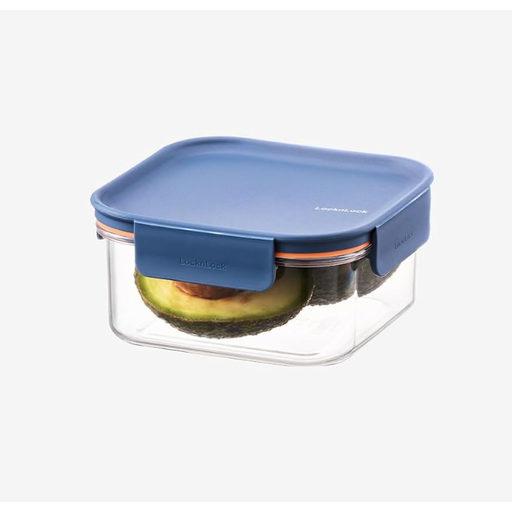
Why we chose it: For meal prep fans or for storing leftovers hassle-free. This food container is designed to go from the fridge to the microwave safely, while optimising space thanks to its modular design.
Its secret? BPA-free Tritan, a material that resists stains, odours, and cracks. Its 4-clip locking system with a silicone seal provides a foolproof airtight seal: no more floating lids or leaking sauces.
A premium, food-safe material, perfectly suited for food contact, and a stackable modular design to optimise every corner of your kitchen.
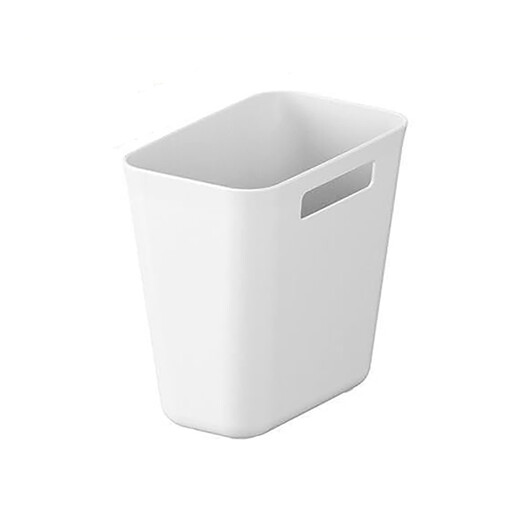
Why we chose it: Ideal for utilising unused spaces: the inside of a cupboard door, a section of wall in the bathroom, or next to a desk. This storage organiser is the clever solution for keeping small everyday items (spices, cosmetics, stationery) within easy reach.
Its strength isn't stacking, but conquering vertical space. By mounting to the wall, it frees up precious shelf and counter space, tackling clutter at its source.
Ultra-simple, drill-free installation and immediate space-saving to organise daily essentials.
Discover our full selection of products that meet our quality criteria and current standards.
Polypropylene (PP) is the budget-friendly and versatile choice, generally microwave-safe. Its drawback: it can stain and retain odours over time. Tritan, on the other hand, plays in the big leagues: it's BPA-free, won't discolour, absorbs no odours, and its durability and clarity are far superior. Logically, its price is higher.
Examine the lid and base closely. Stable stacking relies on an interlocking system: grooves or rims that secure the boxes together. A completely flat lid and a smooth base are often a sign of a wobbly stack. Also, check if the manufacturer mentions a reinforced structure, which is a guarantee of sturdiness.
Absolutely not. It is imperative to read the manufacturer's recommendations. The "dishwasher-safe" claim is often limited to the top rack. For the microwave, the lid must be removed or its vent opened to allow steam to escape. Finally, never heat an empty box or one with very fatty or sugary foods: you risk warping or damaging it.