
Livraison le jour même ou le lendemain

Qualité garantie

Débloquez vos offres de bienvenue: Livraison GRATUITE | Jusqu'à -80 % | 30 jours d'essai gratuits à JoyPlus
Téléchargez l'application
Between overflowing cupboards, leftovers leaking in the fridge and baskets that warp within weeks, choosing the right storage boxes and food containers requires a bit of care. A pretty photo or the word “airtight” isn’t always enough to guarantee a product that’s practical for everyday use.
Here are the criteria to consider before buying, along with a selection designed for different uses and different rooms in the home.
A faux-rattan basket can add a decorative touch to a bathroom or living room. But before you give in, it’s worth checking its maximum load capacity, how sturdy the handles are and how easy it is to clean. A woven or fabric material is rarely the best choice for liquids, damp foods or particularly heavy items.
For home storage, pay attention to the maximum load, the rigidity of the base and how easy it is to carry. An open basket is perfectly fine for laundry, toys or accessories. However, it won’t replace a box with a lid if you’re looking to keep dust out or stack your belongings.
A genuinely airtight food container must have a properly fitted lid and, in most cases, a silicone seal. You still need to close all the clips and follow the manufacturer’s instructions. A leak-proof lunchbox can transport a prepared meal without issue, but just one clip not properly fastened is enough to cause a leak in your bag.
Also check whether the lid is microwave-safe. Very often, only the container is suitable for reheating: the lid must be removed or simply left slightly open.
A stackable storage box might look compact in a photo. Yet a few extra centimetres can be enough to block a shelf or drawer. Measure the available width, depth and height, not forgetting the handles or the space needed to open the lid.
In the kitchen, also compare capacities: a 760 or 910 ml box is suitable for individual portions, while a 2 to 3 litre container will be better for family leftovers or storing ingredients in bulk.
For food use, look for a clear indication that the material is suitable for contact with food. Polypropylene is often appreciated for its lightness and ease of maintenance. A BPA-free box also addresses a common consumer concern.
304 stainless steel, when clearly stated as food-contact safe, provides a robust solution for storing food in the fridge or transporting it. However, you should check the instructions regarding the lid and reheating. For the PURECOOK model shown below, the warnings state do not use the container in the microwave or directly on a flame.
A dishwasher-safe box makes cleaning much simpler. However, take the time to check any restrictions: top rack only, maximum temperature to observe, or seal to remove before washing. For a box advertised as microwave and freezer safe, make sure this compatibility applies to the container, and not necessarily the whole sealed unit.
Avoid sudden temperature changes, especially with glass lids. Allow a container to cool before placing it in the freezer and regularly inspect for any cracks, warping or deterioration of the seal.
In a fridge, a rectangular shape is generally easier to store than a round box. Flat lids and straight sides help you make the most of the space. As for clear plastic boxes, they offer a real advantage: their contents remain visible, which reduces the chances of things being forgotten at the back of the cupboard.
After each use, clean the seals and let all parts dry before closing the box. For plastic baskets, a damp cloth and mild soap are usually sufficient. Fabric or semi-flexible baskets, like some Curver KAYA models, should not be submerged or put in the machine, as per the instructions provided.
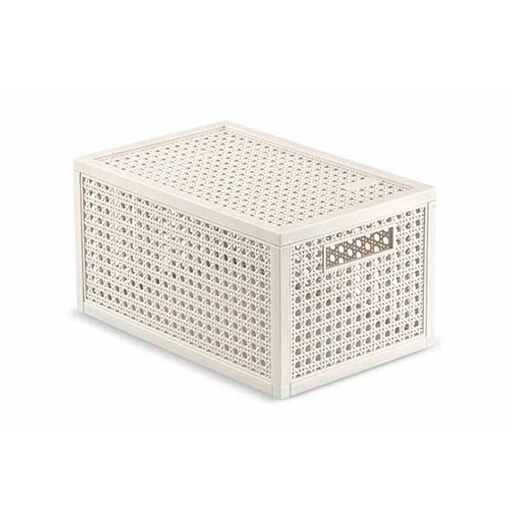
Why this choice suits this profile: with its 7 litres, this basket is ideal for storing small items, accessories, toys or textiles in a bedroom, office or hallway. Its lightweight structure makes it easy to carry from room to room.
The size and capacity are clearly stated, which helps you avoid choosing a basket that’s too bulky for a shelf or too small for its intended use.
Made from recycled materials as stated, breathable structure, cleanable with a damp cloth and a maximum load of 3 kg for this small size.
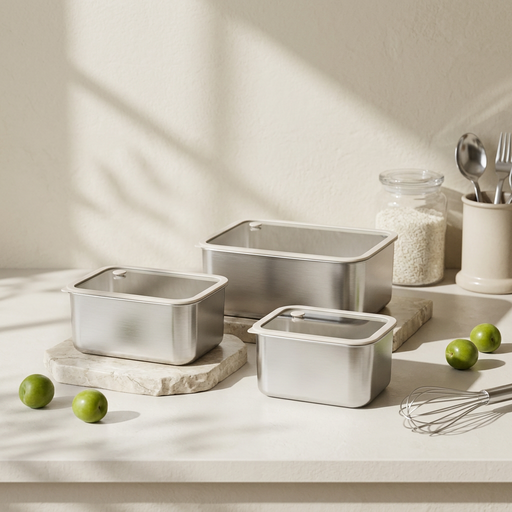
Why this choice suits this profile: this set of three containers (1,000, 1,800 and 3,000 ml) supports a well-organised kitchen, from meal prep to storing large quantities.
The capacities and materials are clearly detailed. The instructions exclude microwave and flame use, which prevents overestimating the product’s capabilities.
304 stainless steel body, borosilicate glass lids, silicone seals and stackable design. Dishwasher safe is also indicated.
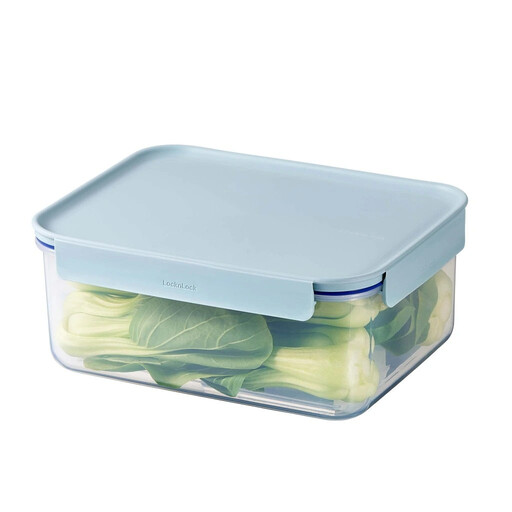
Why this choice suits this profile: its rectangular shape is ideal for storing leftovers, prepped portions and ingredients in both the fridge and freezer.
The four-clip closure and integrated seal minimise the risk of leaks, provided each side is properly locked before transport.
2.0 litre capacity, stackable design, BPA-free material and compatibility with dishwasher, microwave and freezer as stated.
We’ve put together a comprehensive, real-time updated selection of products that meet these demanding criteria, while complying with European safety regulations.
Go for rectangular, stackable and transparent containers, with a capacity suited to your portions. A clip-on lid and removable seal make both transport and cleaning easier. Remember to measure the depth of your shelves before ordering.
It all depends on the model and the part in question. Check the symbols and the instruction manual. In most cases, you need to remove the lid before reheating the contents and avoid thermal shock. For stainless steel containers with a glass lid, follow the manufacturer’s warnings carefully.
Don’t exceed the stated load, keep plastic baskets away from flames and heat sources, and avoid abrasive utensils or sponges. Dry the seals thoroughly before closing the boxes. Replace any container that is cracked, warped or has a sharp edge.