
Livraison le jour même ou le lendemain

Qualité garantie

Débloquez vos offres de bienvenue: Livraison GRATUITE | Jusqu'à -80 % | 30 jours d'essai gratuits à JoyPlus
Téléchargez l'application
Whether you are taking meals on the go, dealing with overflowing cupboards or trying to organise awkward items, storage boxes and food containers can make everyday life much easier. But an attractive photo or a large capacity alone is not enough to make the right choice.
A lid that is difficult to clean, dimensions that do not fit your cupboard or a seal that is not quite secure enough for a bag can quickly turn a practical box into an accessory you never use. Here are the criteria to consider before buying a food storage container, lunch box or home storage solution.
A large capacity may seem appealing, but you still need enough room to store it. A 1.5-litre box is better suited to carrying a family meal or a large batch of food than an individual lunch slipped into a small bag.
For home storage, remember to check:
A leakproof lunch box needs a lid that closes properly and a seal that is positioned correctly. Compartments are useful for keeping food separate, but they also create more corners to clean.
Before ordering, check that the product listing specifies:
A reliable closure reduces the risk of leaks, but no container should be carried upside down without taking precautions.
Glass, stainless steel, polypropylene and Tritan plastic do not all behave in the same way. Some lids do not cope well with heat, while metal containers must not be put in the microwave.
The manufacturer's recommendations should always take priority. Hand washing may be advised to protect a seal, print or finish. You should also allow each component to dry separately before closing the box.
For a food storage container, the product listing should clearly state the material used for both the container and the lid. Borosilicate glass is transparent, so you can quickly check the contents. 304 or 316 stainless steel is used in many food containers and generally offers good resistance to corrosion when used in accordance with the manufacturer's instructions.
For bottles, Tritan or plastic described as BPA-free may be a lightweight option. However, this does not remove the need to follow temperature limits and cleaning recommendations.
A compartmented lunch box is ideal if you want to keep vegetables, starchy foods, fruit or side dishes separate. However, check the depth of each compartment: a space that is too small will not suit every type of food.
For use on the go, compare:
A 1.5-litre insulated food jar is better suited to carrying soup, stews or larger quantities of prepared food. The models featured below claim to keep food warm or cold for 4 to 6 hours; the temperature actually maintained depends in particular on the fill level, the starting temperature and how the container was prepared beforehand.
A stackable shoe storage box should be chosen according to the pairs you want to store, especially if they are boots or particularly wide shoes. A transparent front makes it easier to identify the contents. A under-bed storage box, meanwhile, should be suitable for the available height and the level of access you require.
For seasonal clothing, models with a closure and viewing window can help protect contents from dust. For everyday use, a foldable storage box may be worthwhile if you want to fold it away when empty.
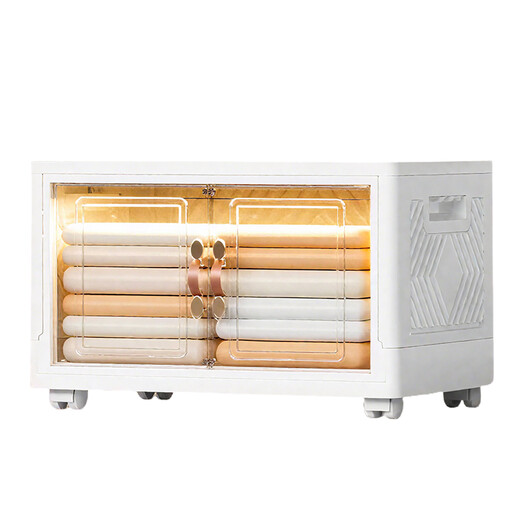
Why it suits this profile: its 84 L capacity provides space for textiles, accessories and bulky items in a bedroom, utility room or dressing room.
Its foldable design reduces the amount of space it takes up when not in use. It is still essential to check the available space before buying.
An advertised capacity of 84 L and a foldable design, ideal for seasonal or occasional storage.
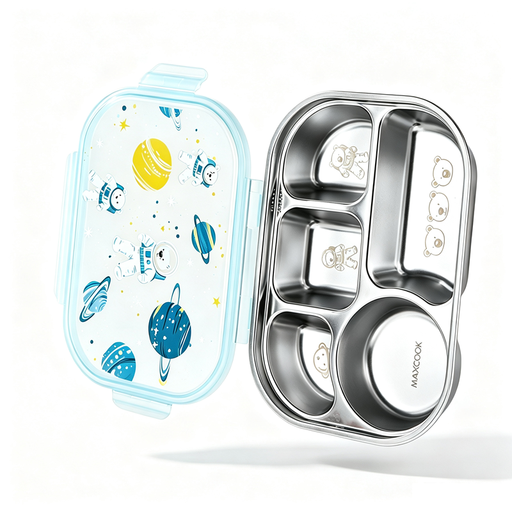
Why it suits this profile: its 316L stainless steel construction and five separate compartments are ideal for meals prepared with several ingredients.
The four clips keep the lid securely closed. The manufacturer recommends hand washing and advises against using it in the microwave.
316L steel, five compartments and a PP lid with clips.

Why it suits this profile: its wide opening and generous capacity make it suitable for business trips, days out and larger prepared meals.
The listing states that it has a leakproof closure, while also recommending that the container is not turned upside down. Hand washing helps preserve the seal.
A 1.5 L capacity, 316 stainless steel and vacuum insulation advertised to last for 4 to 6 hours.
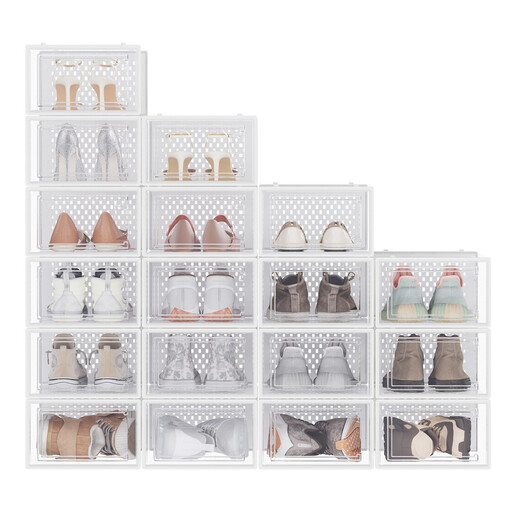
Why it suits this profile: the transparent fronts make it easy to identify pairs in a hallway, dressing room or shared bedroom.
Each box measures 33.3 × 23.1 × 14.3 cm, according to the stated dimensions. Measure your shoes before buying to avoid disappointment.
A pack of 18 stackable units with transparent fronts and integrated ventilation.
We have put together a complete, real-time updated selection of products that meet these exacting criteria, while also taking European safety regulations into account.
It depends on how you plan to use it. Borosilicate glass lets you see the contents and is suitable for anyone looking for a stable, durable container. Stainless steel is valued for its strength, but it is not microwave-safe. Plastic is lighter and can be practical for transport; if you choose it, check the permitted temperatures and washing instructions.
Close each clip or lid until you hear — or feel — it click into place. Also check that the seal is clean and avoid filling the compartments right to the top. For liquid foods, carry the box flat and follow the manufacturer's recommendations. A compartmented box does not necessarily guarantee complete separation between wet and dry foods.
A stackable shoe box is suitable for pairs you want to keep easily accessible, while under-bed storage makes use of an area that is often wasted. For items used occasionally, a foldable storage box can be flattened when empty. In all cases, measure the available space before comparing capacities.