
Livraison le jour même ou le lendemain

Qualité garantie

Débloquez vos offres de bienvenue: Livraison GRATUITE | Jusqu'à -80 % | 30 jours d'essai gratuits à JoyPlus
Téléchargez l'application
Clutter is taking over and you're looking for an effective solution to reclaim a clear, functional living space. The storage box seems like the obvious answer, but the market is saturated with models making various promises. Unfortunately, a poor choice quickly becomes a waste of money and space. As a product expert for Joybuy, my mission is to help you navigate the options and avoid common pitfalls, ensuring your investment in home organisation is a lasting success.
Before you dive in, let's review the three most common mistakes that render a storage box useless after just a few months:
To avoid these disappointments, it's crucial to focus on a few objective technical features. These points will help you evaluate a product beyond its appearance.
The choice of material dictates the sturdiness and intended use of your box.
A good storage box should allow you to leverage the vertical space in your closets or rooms. Check for the following:
Rather than an endless list, here are a few options that meet specific needs, taking into account the quality and functionality criteria we've just discussed.
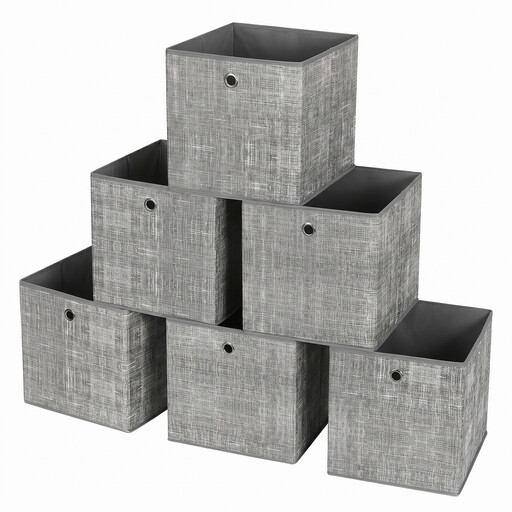
Why we chose it: The perfect solution for tight budgets and evolving spaces. This set of six 30x30x30 cm cubes fits perfectly into standard cube shelves (like the Kallax series). They're foldable, so they can be stored flat when not in use—a real plus for moves or small apartments.
To counter the pitfall of fragility, these boxes rely on a dense non-woven fabric (80 g/m?) and rigid cardboard inserts. This ensures they will hold their shape, even when filled with clothes or books.
Versatility: Ideal for clothes, kids' toys, or office supplies. Quick assembly: Unfold, insert the rigid base, and it's ready to go.
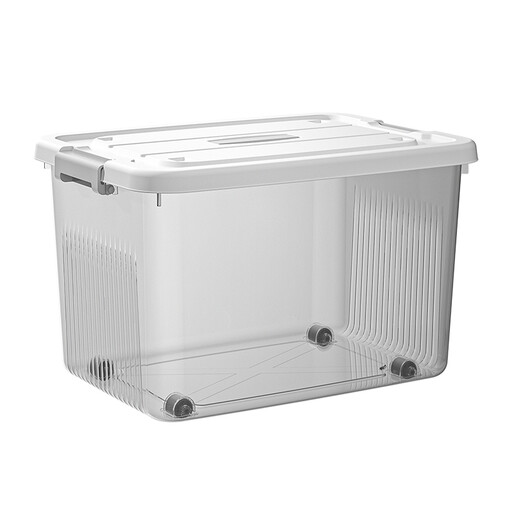
Why we chose it: When it comes to heavy-duty use (toys, tools, archives), durability is non-negotiable. This set of transparent plastic boxes is built to stand the test of time and simplify organisation. The transparency is a major asset for identifying contents at a glance.
This model sidesteps the pitfalls of fragility and precarious stacking with its structure of 2.5 mm thick PP plastic, reinforcing ribs, and a flat lid designed for stable, secure stacking.
Verifiable Robustness: The reinforced structure and rounded corners increase durability. Practical Design: Integrated handles make it easy to carry, even when the box is packed to the brim.
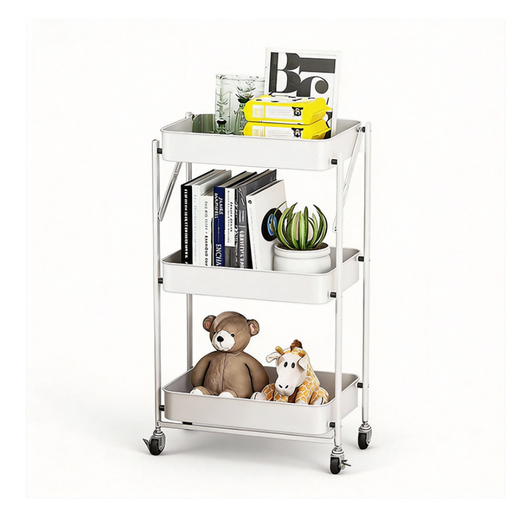
Why we chose it: For anyone who wants storage that moves with them. This mobile cart is fantastic for the kitchen, bathroom, or a home office corner. No more items locked away in a box; here, everything is within easy reach.
This cart bypasses the problem of static, inaccessible storage. No more unstacking boxes—everything stays visible and close at hand. Its sturdy metal frame knocks out the fragility pitfall.
Mobility and Accessibility: The wheels allow you to move it easily from one room to another. Foldable: It stores compactly, a rare advantage for this type of furniture.
Explore our full selection of products that meet our quality criteria and current safety standards.
1. How can I prevent my plastic boxes from warping? The secret is to check two things: the plastic's thickness (a figure like 2.5 mm is a good indicator) and the presence of reinforcements (ribs on the sides or bottom). Most importantly, respect the maximum load capacity recommended by the manufacturer and distribute the weight evenly inside.
2. Are fabric boxes a good idea for long-term storage? They are perfect for textiles that need to "breathe," like clothing or linens. For long-term storage (several months), make sure to place them in a dry, dust-free area like a closet. For basements or garages, which are often more humid, a stackable plastic box with a well-fitting lid remains a safer bet.
3. What's the difference between PP and PET plastic? Polypropylene (PP) is the champion for rigid storage boxes. It's robust, resistant to heat and chemicals, and comes in opaque or translucent versions. Polyethylene terephthalate (PET), the plastic used for water bottles, is typically transparent, lighter, but also more brittle. For sturdy, stackable boxes designed to bear weight, PP is undoubtedly the more reliable choice.