
Livraison le jour même ou le lendemain

Qualité garantie

Débloquez vos offres de bienvenue: Livraison GRATUITE | Jusqu'à -80 % | 30 jours d'essai gratuits à JoyPlus
Téléchargez l'application
Getting your home organized is the dream. But in the jungle of storage boxes, a nightmare is never far away. The market is saturated with promises that aren't always kept, and an ill-advised purchase quickly turns into a pile of useless plastic, adding to the clutter rather than solving it. Before you start buying, it's essential to know how to avoid the common pitfalls to invest in a solution that will last.
As our editorial product expert, my mission is to help you see things more clearly. Let's forget the marketing and focus on what really matters. Here are the three most common mistakes and, more importantly, how to avoid them.
To make an informed choice, you need to focus on objective criteria that guarantee the quality and practicality of a storage box.
Rather than relying on appearances, examine these three technical aspects. They will determine whether your purchase will be a long-term organizational ally or a source of frustration.
Not all plastics are created equal. The material has a direct impact on the box's strength, transparency, and how you can use it.
A good storage box with a lid must offer more than just protection from dust.
Before buying a set of storage boxes, precisely measure your available space (height, width, depth). Think in terms of a system. Boxes from the same product line but in different sizes can often be combined to optimize a cupboard or shelf. Pay close attention to the interior shape: straight walls maximize usable volume, while overly rounded corners reduce it.
To help you visualize how these criteria apply, here are a few options tailored to specific needs.
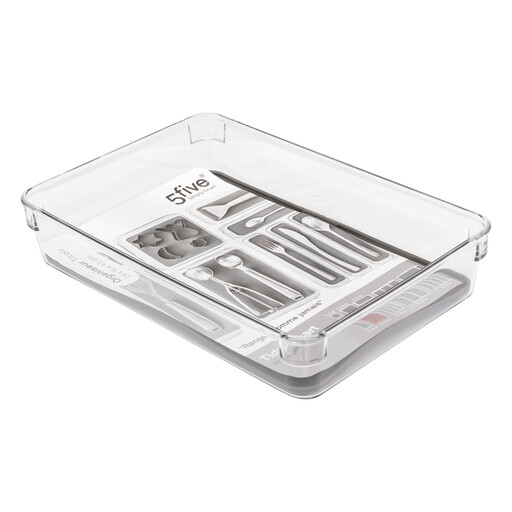
Our take: Perfect for taming the clutter in kitchen, office, or bathroom drawers. Its compact size and simple design make it an ultra-versatile drawer organizer.
Designed for internal use (drawers, cupboards), it isn't subject to weight or stacking constraints. Its PET material is chosen for transparency, not heavy loads, which perfectly matches its function.
The transparency of the PET allows for immediate content identification, which is essential for an effective drawer organizer.
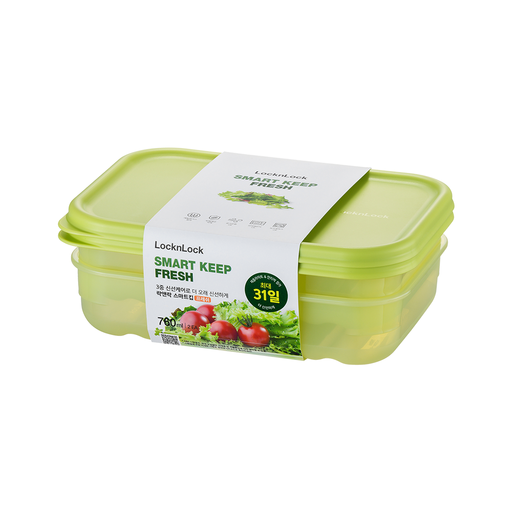
Our take: For those who take kitchen organization seriously. This set is designed for food preservation, with specific materials and technologies to maintain freshness.
It directly addresses the "ineffective lid" pitfall with a four-sided locking system that ensures a perfect air and liquid-tight seal. The polypropylene plastic is BPA-free, a non-negotiable criterion for food contact.
Modular design for easy stacking and optimized organization in the refrigerator. The FreshSmart technology helps slow down the ripening of fruits and vegetables.
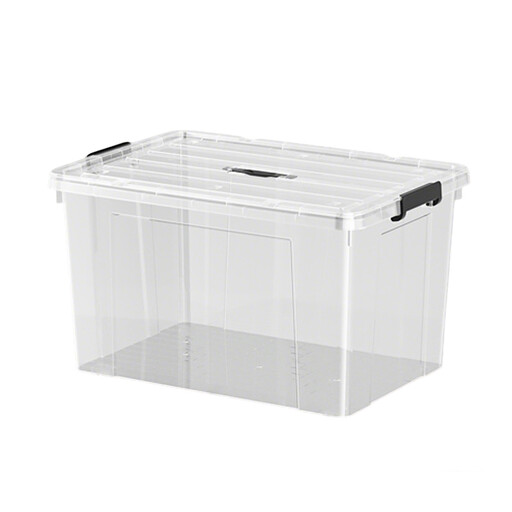
Our take: Perfect for tackling a major organization project: seasonal clothing, archives, toys... This set offers substantial volume and a design built for heavy loads and durability.
It counters the "warping plastic" and "unstable stacking" pitfalls with a reinforced structure: a 2.5 mm thickened body, reinforcing ribs, and a base designed for stable stacking. The clip-on lid is secure.
High load capacity and a stable, stackable design, maximizing vertical space in closets, basements, or garages. The integrated handles make transport easy.
Discover our full selection of products that meet our quality criteria and current safety standards.
1. How do I know if a plastic box is food-safe? Check for a "BPA-free" (Bisphenol A) or "food-safe" label. Boxes made from polypropylene (PP) are generally a safe choice, but it's always best to consult the manufacturer's specifications. Never use a box for food that is not clearly certified for that purpose.
2. What's the difference between a storage box and a storage basket? A storage box, especially one with a lid, is designed to protect its contents from dust and moisture. It is often stackable to optimize vertical space. A storage basket, like the rattan-effect Curver models, is typically open. It prioritizes easy access and aesthetics, making it an excellent option for everyday items in a living room or bathroom.
3. How can I optimize space with stackable boxes? The secret? Choose boxes from the same product line to ensure a perfect fit. Measure the height of your shelves to utilize all the vertical space. Use transparent boxes or, if they are opaque, apply clear labels to identify the contents without having to unstack everything.