
Livraison le jour même ou le lendemain

Qualité garantie

Débloquez vos offres de bienvenue: Livraison GRATUITE | Jusqu'à -80 % | 30 jours d'essai gratuits à JoyPlus
Téléchargez l'application
Overwhelmed by clutter and dreaming of a clean, organised home? The storage box is often the go-to solution. However, an impulse buy frequently leads to disappointment: boxes that warp, lids that won't close properly, or a style that clashes with your decor. As a product expert at Joybuy, I'm here to help you see things more clearly and make a truly useful choice.
Before diving in headfirst, let's review the common mistakes that turn a good idea into buyer's remorse.
To avoid these pitfalls, focus on a few features that will make all the difference in the long run.
The choice of material depends on what you want to store, and where.
A good storage solution is more than just a box. Think "system."
Forget endless lists. Here are concrete solutions for specific profiles to help you better visualise the possibilities.
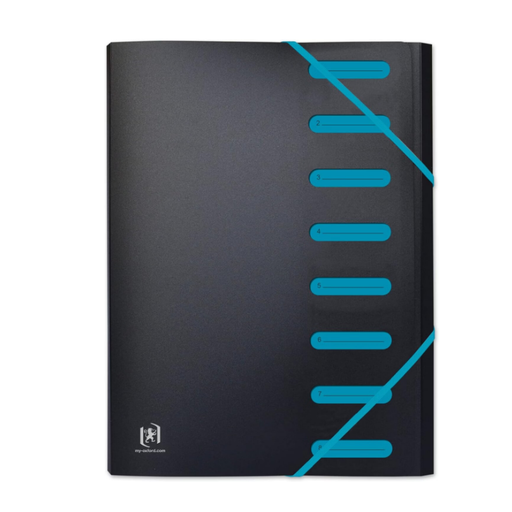
Why we chose it: Perfect for juggling classes, internships, and paperwork when space is tight. More than just a box, it's a smart organiser that targets a specific need: filing.
It sidesteps the "one-size-fits-all box" trap by offering a dedicated solution for documents. Its expandable spine adjusts to the volume, without wasting an inch.
Its rigid polypropylene cover protects documents, while its integrated zip pocket holds small accessories.
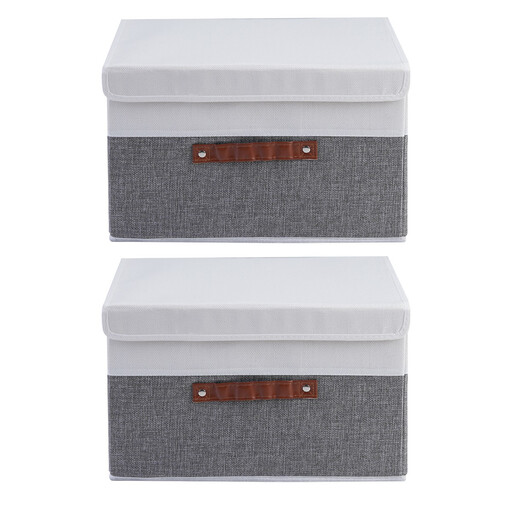
Why we chose it: Ultra-versatile for storing clothes, seasonal linens, or stray toys. Its biggest advantage: it folds flat for storage when not in use.
It combines a neat design with a structure that's built to last and a proper dust-proof lid. No more saggy collapsible box trap!
Its removable base stiffens the entire structure once unfolded, and the included lid effectively shields the contents.
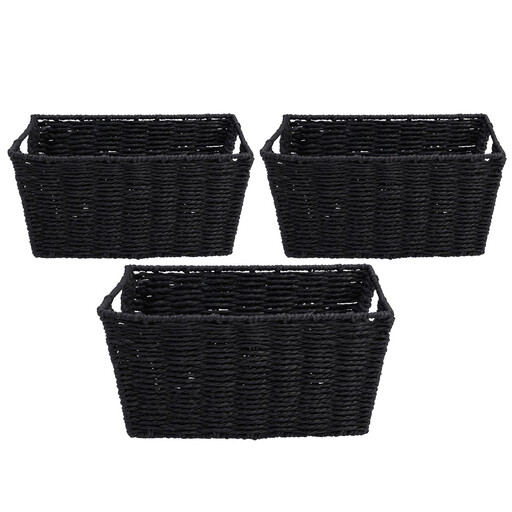
Why we chose it: A basket made to be seen, not hidden. Ideal for stylishly organising books, throws, or accessories in a living room or entryway.
It solves the classic problem of the flimsy, sagging basket. Its secret? An internal metal frame that guarantees a rigid and durable structure.
The combination of steel and woven paper offers the perfect balance between sturdiness and a contemporary look, easy to integrate into any interior.
We've curated a full range of products that meet these quality standards.
To help your fabric boxes keep their shape and freshness, don't overfill them. A gentle brush-down or vacuuming (on low power) is sufficient for regular maintenance. For a stain? Blot it with a damp cloth and a little mild soap, then let it air dry. Unless otherwise specified, forget the washing machine!
Polypropylene (PP) is the star plastic for storage boxes. Why? It's very robust, holds up well to repeated handling, and is chemically inert (which often makes it food-safe). In practical terms, it's more rigid and more heat-resistant than polyethylene (PE), and much stronger than polystyrene (PS). It's the ideal material for boxes designed to last and to be stacked without buckling.
A set of storage boxes might seem economical, but is it really a good deal? It all depends on your actual needs. Our advice: before buying, take inventory of what you want to store and measure your spaces (shelves, cupboards, etc.). It's often smarter to mix a set of standard-sized boxes with a few specific models (larger, smaller, compartmentalised) than to end up with a stock of identical, unused boxes.