
Livraison le jour même ou le lendemain

Qualité garantie

Débloquez vos offres de bienvenue: Livraison GRATUITE | Jusqu'à -80 % | 30 jours d'essai gratuits à JoyPlus
Téléchargez l'application
A well-organized home starts with the right storage solutions. But choosing a simple storage box can quickly become a headache. Between marketing promises and the reality of daily use, it's easy to end up with bins that warp, lids that no longer close, or completely unsuitable materials. To help you avoid bad deals and make a smart investment, we've broken down the common pitfalls and the criteria that truly matter.
The market is flooded with options, but they are not all created equal—far from it. Here are two classic mistakes that can quickly turn a smart purchase into a source of frustration.
Deceptive Durability: The box looks sturdy in the photo. In reality, it's made of plastic so thin it cracks at the first opportunity, or fabric that sags after just a few weeks. A storage crate for the basement or garage must be built to last, with a reinforced structure. Likewise, a storage basket in the living room should hold its shape, even when full.
The "Perfect" Stacking Myth: Many models boast of being "stackable," but stability isn't always guaranteed. With ill-fitting lids or a base that doesn't grip, you're guaranteed a wobbly, even dangerous, tower. A good stackable system is one where the boxes lock together perfectly, with no risk of sliding or tipping over.
For home storage that is both effective and durable, there are three points to inspect closely.
This is the number one criterion: the material determines the lifespan and intended use of your box.
A good material isn't everything. The box's design is just as crucial. Look for these tell-tale signs of quality:
A storage organizer is only truly useful if it fits your space perfectly. The first step before any purchase: take out your tape measure and measure the height, width, and depth of your shelves or closets. The trick? Choose boxes from the same product line to create a modular and cohesive system that will optimize every square inch.
To move from theory to practice, here are a few models that perfectly illustrate these criteria, each meeting a specific need.
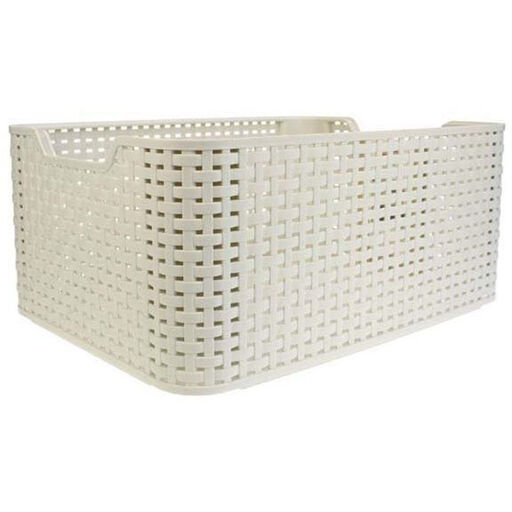
Why we chose it: For those who want practicality without sacrificing style. This basket fits in anywhere (living room, bedroom, bathroom) to store throws, magazines, and other accessories while adding a decorative and natural touch.
Its polypropylene structure perfectly mimics rattan, but without the fragility. Unlike entry-level fabric baskets, it doesn’t sag, resists moisture, and cleans up with a simple wipe.
The warm look of natural material with the durability and easy maintenance of plastic. Its integrated handles make it easy to move.

Why we chose it: The perfect set for "meal prep" enthusiasts, for storing leftovers, or for packing lunch. Glass remains the healthiest and most durable material for food contact.
The borosilicate glass handles thermal shock without issue and won't warp. Most importantly, the snap-lock lids guarantee a 100% airtight seal: goodbye to leaks and hello to freshness, unlike unreliable flexible lids.
A 10-piece set in two sizes to suit all needs. The glass is oven-safe (without the lid), microwave-safe, and dishwasher-safe for maximum convenience.
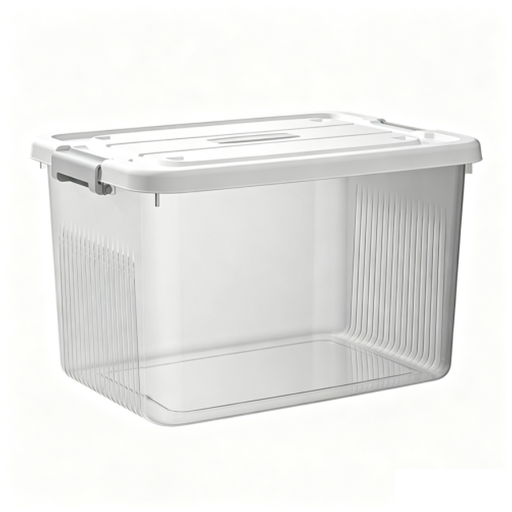
Why we chose it: Essential for seasonal storage (clothes, Christmas decorations) or heavy-duty use. These bins are made to support weight and be stacked safely in the garage, basement, or attic.
This model tackles both main pitfalls: its 2.5 mm thick wall and reinforced structure ensure great durability, while its flat lid and non-slip base are designed for perfectly stable stacking.
The clear plastic allows you to identify the contents at a glance without having to unstack everything. The integrated handles make it easy to grip, even when fully loaded.
We have selected a full range of products that meet these quality criteria, including for specific uses like kitchen food storage.
Start by measuring the available space (shelf, closet, etc.). Then, estimate the volume of what you want to store. A good tip: go slightly larger than your immediate need to anticipate future additions. For small items, several smaller boxes or a compartmentalized organizer will be more practical.
It is strongly discouraged. For stable and secure stacking, it's essential to use boxes from the same product line. They are specifically designed to nest and lock together, which is rarely the case when mixing brands and models.
Forget the washing machine! Most fabric boxes have a cardboard structure that would not survive a wash cycle. Cleaning should be done locally with a damp cloth and a little mild soap for stains. Let it air dry completely before using it again. When in doubt, check the manufacturer's label.
By the Joybuy editorial team, your guide to smart shopping.