
Livraison le jour même ou le lendemain

Qualité garantie

Débloquez vos offres de bienvenue: Livraison GRATUITE | Jusqu'à -80 % | 30 jours d'essai gratuits à JoyPlus
Téléchargez l'application
Creating space at home, whether you live in a small city apartment or a large country house, almost always involves storage boxes. It seems like a simple purchase, but it can quickly turn into a real headache. We all know the scenario: lids that no longer close, plastic that cracks at the first cold snap in the garage, or that wobbly stack of boxes threatening to collapse at any moment. To avoid disappointment and make a truly worthwhile investment, here are the key points to check before you buy.
The selection is overwhelming, but be warned: not all boxes are created equal. Far from it. Here are the three deal-breakers that make a model almost useless in the long run.
To ensure you make the right decision, focus on a few technical features that make all the difference.
Polypropylene (PP) often stands out as the best choice. It holds up well against impacts, temperature fluctuations, and even most chemicals. For heavy-duty use (like garage storage or housing tools), wall thickness is a non-negotiable criterion. Aim for a minimum of 2.5?mm, ideally with reinforcing ribs: this is the guarantee of a stackable storage bin that won't buckle under the load.
A good stacking system is the key to utilising every inch of vertical space. The secret? The lid. Check that it has rims or grooves designed to interlock perfectly with the base of the box on top. This detail is what ensures a stable and secure stack. Don't forget everyday convenience, either: well-designed, integrated handles will save your back when carrying heavy boxes.
The choice between a clear box and an opaque model depends entirely on your needs.
There's no point searching for the perfect one-size-fits-all box—it doesn't exist. It's better to choose a model tailored to a specific need.
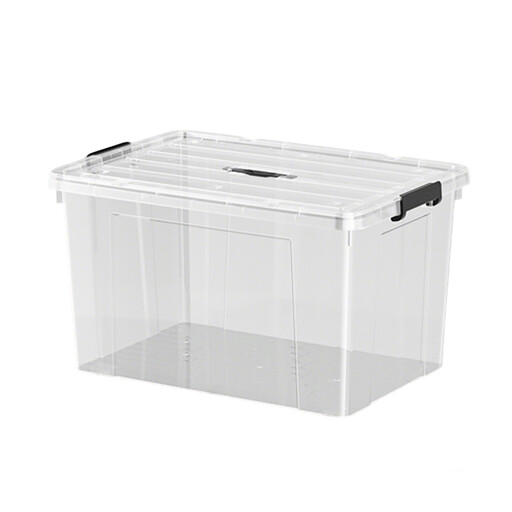
Why it's a great choice: Perfect for storing bulky items in the cellar, attic, or garage. This set combines a large capacity with a robust design, built for heavy loads and long-term storage.
Its 2.5 mm thick plastic and reinforcing ribs prevent it from warping or cracking. The flat, clip-on lid ensures stable stacking with no unpleasant surprises.
Its high load capacity and perfect stackability to maximise vertical space. The clear plastic lets you spot the contents in an instant.
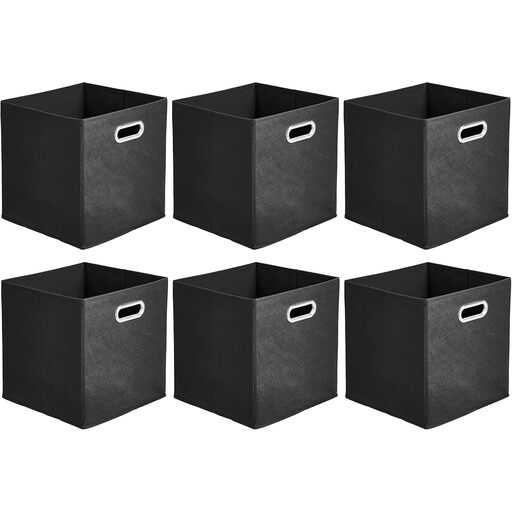
Why it's a great choice: Specifically designed for cube shelving units like the Kallax, which are very popular in apartments. Its collapsible design is a real bonus: you can store them flat when not in use.
No more guesswork with dimensions! This model is sized for standard storage furniture. Its rigid structure holds its shape, even when full.
Collapsible for flat storage and standardised dimensions that ensure a perfect fit in cube shelving units.
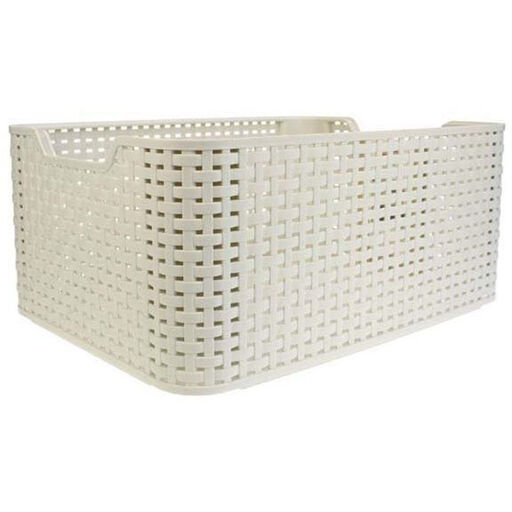
Why it's a great choice: For anyone who believes storage doesn't have to be unsightly. With its "woven rattan" look, this box stylishly fits into a living room, bedroom, or bathroom.
It shatters the myth of the "ugly plastic box" thanks to its refined, textured finish. Storage becomes a genuine decorative item.
The best of both worlds: the durability and easy maintenance of plastic, with the warm, natural look of rattan.
Discover our full selection of products that meet our quality criteria and current safety standards.
Polypropylene (PP) is flexible, lightweight, and highly resistant to impacts and torsion. It's the champion for boxes that are frequently handled, stacked, or stored in tough conditions (garage, cellar). PET (polyethylene terephthalate), the plastic used for water bottles, is more rigid and clear, but also more brittle. For storage boxes that are built to last, PP is almost always the better choice.
Three golden rules: never overload the boxes, distribute the weight evenly inside, and avoid leaving them in direct sunlight or in extreme heat or freezing conditions, which weaken the plastic. And one common-sense rule for stacking: always put the heaviest boxes at the bottom!
Absolutely not! It is essential to check that the box is labelled "food-safe" and/or "BPA-free" (Bisphenol A) if you plan to store food in it. Standard storage boxes, especially those intended for DIY or tools, are not designed for this purpose and can leach chemicals into food. For kitchen use, only use certified food-grade containers.