
Livraison le jour même ou le lendemain

Qualité garantie

Débloquez vos offres de bienvenue: Livraison GRATUITE | Jusqu'à -80 % | 30 jours d'essai gratuits à JoyPlus
Téléchargez l'application
Finding the ideal storage box seems like child's play... until the lid cracks after just a couple of uses, the stack comes crashing down in the garage, or moisture seeps into your belongings. The market is flooded with solutions promising perfect organization, but quality is often hit-or-miss. As a product expert for the editorial team, my mission is to break down the essential criteria for a smart, long-lasting purchase.
But first, let's review the common mistakes that turn a great idea into a real headache.
The desire to get organized can quickly turn sour when you're faced with a low-quality product. Here are the most common disappointments:
A few key checks are all it takes to avoid these disappointments. This is what separates a simple storage crate from a reliable, long-lasting organization system.
The type of plastic is the first indicator of its robustness and intended use. Most quality boxes are made of polypropylene (PP). This material offers an excellent balance of rigidity, impact resistance, and lightness. For a food storage box, the "BPA-free" (Bisphenol A) label is non-negotiable for safe food contact.
For a kitchen organizer holding dry goods (cereal, pasta, etc.), metal is an attractive alternative: it protects from light and adds an aesthetic touch.
Examine the box's structure down to the smallest detail:
Think in systems, not just single boxes. Investing in a set of storage boxes from the same product line is almost always the smartest move. This ensures perfect compatibility for stacking and a cohesive look in your closets, garage, or office. Anticipate your needs with different sizes: large ones for comforters, medium ones for toys, and small ones for organizing drawers.
Because every need is different, here is our selection of products that cater to specific uses while meeting the quality criteria we've just defined.
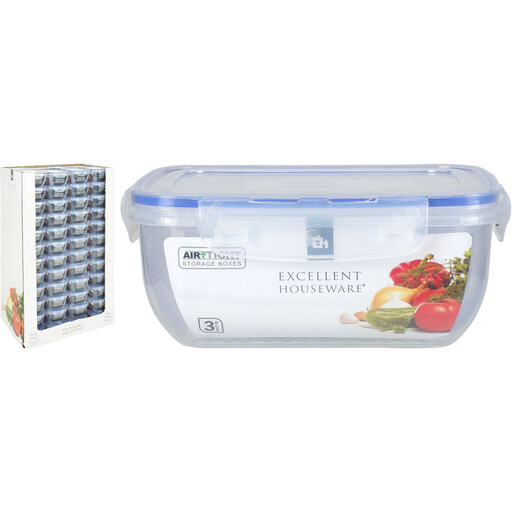
Why we love it: Perfect for batch cooking or storing leftovers. This set checks all the boxes: food safety, convenience, and kitchen versatility.
Its locking clip system and silicone gasket directly solve the "lids that protect nothing" problem. The seal is perfectly airtight, preserving freshness and preventing leaks.
Made from BPA-free polypropylene, it goes safely from the fridge to the freezer and even the microwave (without the lid), making it a true everyday ally.

Why we love it: The ideal solution for storing heavy, bulky items in the basement, garage, or attic. This set is built to handle heavy loads and stand the test of time.
It tackles two major issues: "warping plastic" and "unstable stacking." Its structure, made of 2.5 mm thick PP with multiple reinforcements and a non-slip bottom, ensures a stable and sturdy stack.
Its ergonomic handles make it easy to carry, even when full. The clear plastic is a real bonus for identifying contents at a glance without having to open everything.
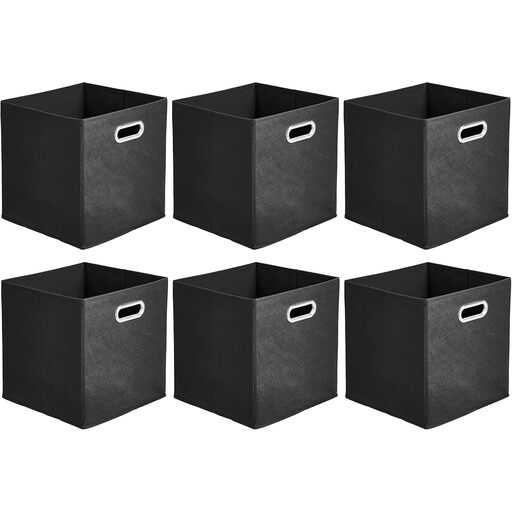
Why we love it: The perfect solution for taming cube shelving (like the Kallax series), closets, or kids' rooms. Its key strength is flexibility.
No more wasted space! Designed to standard cube furniture dimensions, it optimizes every corner. It's also collapsible, folding down flat when not in use.
Offered as a 6-pack, it lets you create a cohesive organization system in one go. Its reinforced fabric structure is both flexible and sturdy, perfect for toys, linens, or accessories.
Discover our full selection of products that meet our quality criteria and safety standards.
1. How do I clean a plastic box without scratching it? The easiest way: use a soft cloth (or a non-abrasive sponge), warm water, and a few drops of dish soap. Rinse well, then dry with a clean cloth to prevent water spots. Above all, avoid scouring powders and abrasive sponges, which will leave unsightly micro-scratches.
2. Food boxes: what's the difference between PP and PET plastic?Polypropylene (PP), found in most quality containers, is highly heat-resistant. This allows it to be used in the microwave and dishwasher. PET (polyethylene terephthalate), on the other hand, is best known for its crystal-clear transparency (think water bottles) but is sensitive to heat. For versatile kitchen use, PP is therefore a safer and more robust choice.
3. Can I stack boxes from different brands? That's a very bad idea. Even if the dimensions seem identical, the interlocking systems (grooves, ridges) are proprietary to each manufacturer. Mixing brands is a near-guarantee of an unstable and dangerous stack. For safe, optimized stacking, stick to a single, consistent product line.