
Livraison le jour même ou le lendemain

Qualité garantie

Débloquez vos offres de bienvenue: Livraison GRATUITE | Jusqu'à -80 % | 30 jours d'essai gratuits à JoyPlus
Téléchargez l'application
Who doesn't dream of a tidy, functional home? Yet, choosing a simple storage box can quickly become a headache when faced with an overwhelming number of options. Between the promises of durability on the packaging and the reality of daily use, we too often end up with unsuitable solutions that sag or break within a few months. This guide is here to help you see clearly and make a smart, long-lasting choice by avoiding the most common marketing traps.
To avoid buyer's remorse, here are the most common pitfalls to be aware of.
To ensure you invest in solutions that will truly serve you, focus on these two fundamental points.
The choice of material is crucial: it determines the use, location, and lifespan of your box.
The shape and features of the box determine its everyday practicality.
Instead of an endless list, here is a selection of products that tick all the boxes, tailored to specific needs and validated for their quality and practicality.
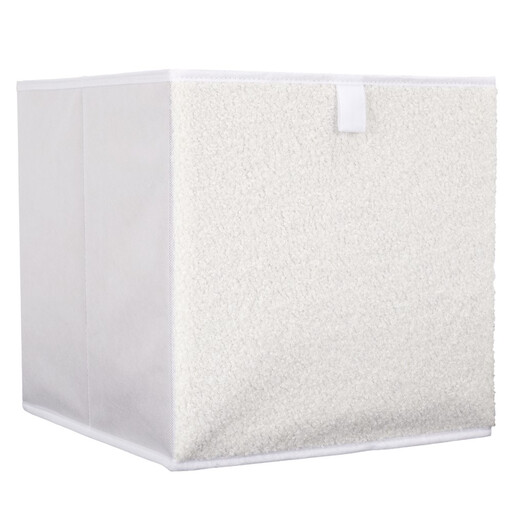
Why we chose it: Perfect for those who want to tidy up without sacrificing style. Its trendy bouclé texture adds a cosy touch to a bookcase or a Kallax-style shelf.
This cube is designed to fit into cube shelving units (like Kallax), which provide the necessary structural support. This avoids the classic trap of fabric boxes sagging when used alone.
Its foldable design allows it to be stored flat, and its texture makes it a genuine decorative accessory in its own right.
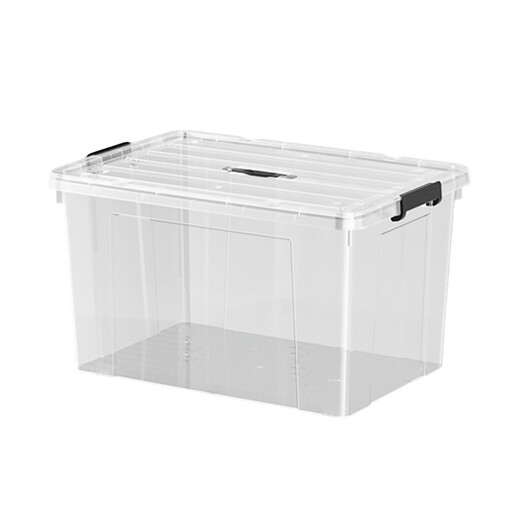
Why we chose it: The go-to solution for those who need to store items in harsh conditions (garage, attic, basement) or are looking for a reliable long-term archiving option.
Its thick (2.5 mm) PP plastic structure with reinforcing ribs and a non-slip base is specifically designed for stable and secure stacking. No more risk of crushing or sliding.
The clear plastic allows you to identify the contents at a glance, and the clip-on lid effectively protects against dust and moisture.
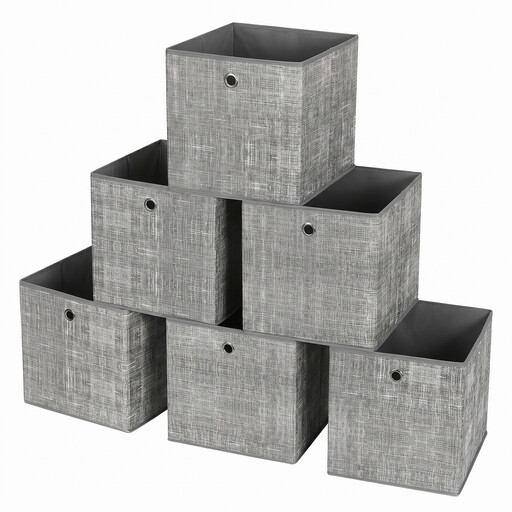
Why we chose it: An economical and all-purpose set for organising the whole house, from kids' toys in their room to clothes in the wardrobe.
Its structure combines non-woven fabric (80 g/m?) and cardboard, giving it enough rigidity for everyday use and preventing it from sagging prematurely.
The set of six offers excellent value for money. The handles make them easy to grab, and the foldable design remains an asset for storing them when empty.
Discover our complete and up-to-date selection of products that meet our quality criteria and current standards.
Most fabric boxes are not machine washable, as this could warp their cardboard structure. For maintenance, it's best to use a slightly damp cloth with a little mild detergent to spot-clean stains. Then let it air dry completely before using it again.
PP (polypropylene) is the most common plastic for storage boxes. It is valued for its flexibility, good fatigue resistance (especially at the hinges), and longevity. PET (polyethylene terephthalate), often used for water bottles, is more rigid and transparent. For boxes that will be frequently handled and stacked, PP remains the most reliable and balanced choice.
The maximum load varies greatly from one product to another. A small fabric storage cube will support about 3 to 5?kg, while a reinforced plastic storage box can hold a load of 15 to 25?kg. It is essential to check the manufacturer's specifications (look for the "maximum static load") and always place the heaviest boxes at the bottom of the stack to ensure the stability and safety of the entire setup.