
Livraison le jour même ou le lendemain

Qualité garantie

Débloquez vos offres de bienvenue: Livraison GRATUITE | Jusqu'à -80 % | 30 jours d'essai gratuits à JoyPlus
Téléchargez l'application
Getting your home organised seems simple… until it’s time to choose a storage box. Then, disaster strikes. Caught between tempting marketing promises and reality, we often end up with flimsy solutions that create more clutter than they solve. As an editor-in-chief and product specialist, my mission is to decode the market for you. Forget buyer's remorse; I'm here to guide you toward a smart and sustainable choice.
Before diving in headfirst, let's review the three classic pitfalls to avoid at all costs.
To avoid falling for these tricks, focus on a few technical criteria that never lie.
Analysing a product beyond its looks is the key to a purchase you won't regret. Here are the three points to inspect closely before you pull out your credit card.
The ideal material depends on how you'll use it and where you'll place it.
Volume isn't everything. It's the box's design that makes it truly practical for daily use.
Ask yourself what you're going to store in it and how often you'll need to access it.
To help you visualise how these criteria apply, here are a few options tailored to different user profiles.
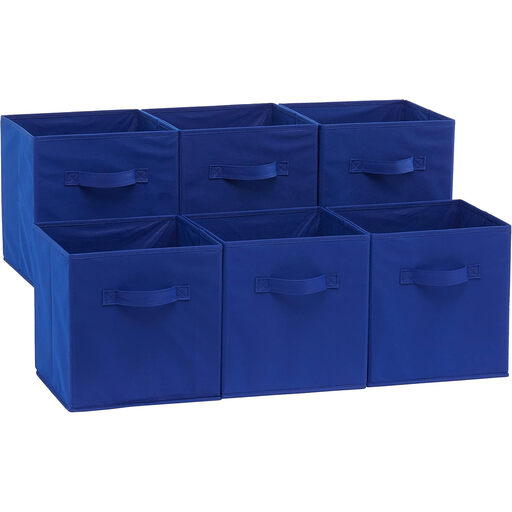
The Verdict: A simple and budget-friendly solution for tidying up toys, linens, or accessories. Its cube format is a standard, compatible with most cube shelving units on the market.
Its flexible structure is its weak point, but it's designed to be inserted into a cube unit. The furniture provides the rigidity and prevents it from collapsing. Smart.
Sold as a set, it offers excellent value for creating a uniform storage system. Bonus: it's collapsible and stores flat when not in use.
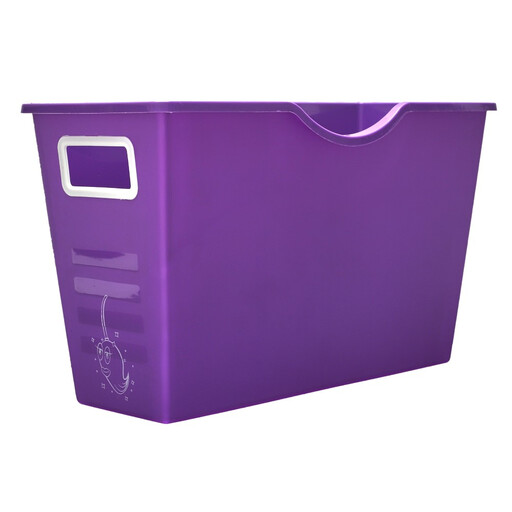
The Verdict: The perfect solution for studios and apartments where every inch counts. This bin is specially designed to slide into lost spaces: under a bed, behind furniture, or even in a car boot.
There's no dimension trap here: its ultra-flat shape isn't a flaw, it's its entire purpose. It's sold specifically for its slim profile, which becomes a functional asset.
Despite its compact format, it offers a capacity of 10 liters. Lightweight and versatile, it's easy to move from one room to another, whether for cleaning or carrying a few items.
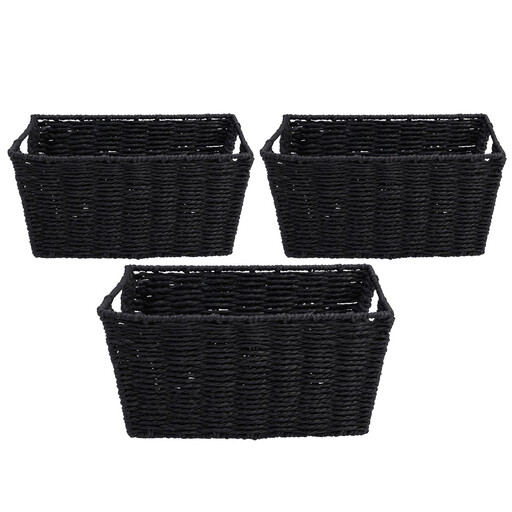
The Verdict: Proof that you can organise without sacrificing style. This type of **storage basket** is made to be displayed and fits perfectly into the decor of a living room, entryway, or bedroom.
It sidesteps the fragility trap by combining the aesthetic of woven paper with a solid internal steel frame. This metal structure ensures it won't lose its shape over time.
Its polished design allows you to declutter a room without creating just another "storage corner." It's a truly useful decorative object.
Discover our complete selection of expert-approved products, all compliant with our quality criteria and safety standards.
1. How do I properly clean a fabric storage box? Forget the washing machine! Due to their rigid structure (cardboard or metal), these boxes can't handle it. The only solution is spot cleaning: use a damp cloth with a drop of mild detergent, gently rub the stain, then let it air dry. This is essential to prevent water stains and mildew.
2. What's the real difference between a "bin" and a "box"? Although the terms are often used interchangeably, the distinction is simple. A storage bin is generally open, without a lid, and wider than it is tall. It's perfect for quick access (like kids' toys). A storage box, on the other hand, has a lid. Its purpose is to protect contents from dust and to be stackable.
3. Can a plastic box be used to store food? No, and this is a critical point. Only plastic boxes displaying the "food safe" logo (a glass and fork symbol) are certified as risk-free. If you plan to store food in them, even dry goods, this check is indispensable.