
Livraison le jour même ou le lendemain

Qualité garantie

Débloquez vos offres de bienvenue: Livraison GRATUITE | Jusqu'à -80 % | 30 jours d'essai gratuits à JoyPlus
Téléchargez l'application
A tidy home fosters a clear mind. Yet, the quest for the perfect storage box often turns into a headache. Between marketing promises and harsh reality, we quickly end up with solutions that create more clutter than they contain. Before you fall for the first model you see, let's review the common pitfalls that turn good intentions into chaos.
The first pitfall? Prioritising aesthetics over practicality. That lovely fabric storage basket, so appealing on Instagram, often ends up sagging under the weight of its contents or, worse, growing mouldy in a damp room. The second trap is low-quality materials. A budget-friendly plastic storage crate that cracks on first use, or a supposedly airtightfood container with a lid that won't seal properly—it's a familiar story. Finally, beware of the "one-size-fits-all" illusion. An ill-fitting box is wasted space and money.
To avoid these traps, here is an essential checklist. It will help you select storage solutions that are truly useful and built to last.
The material determines the box's sturdiness and its intended use. Each application has its go-to material:
The design is just as crucial as the material. Your daily use will dictate which features to prioritise:
This is the step we too often skip, yet it's crucial. Before clicking "Buy," take out your tape measure and size up the destination space: the height between shelves, the depth of a drawer, the width of a cupboard. Also, consider the usable internal volume, which can be much smaller than the external dimensions suggest, especially with thick walls.
To put theory into practice, here are a few products that perfectly illustrate a successful purchase, tailored to different needs.
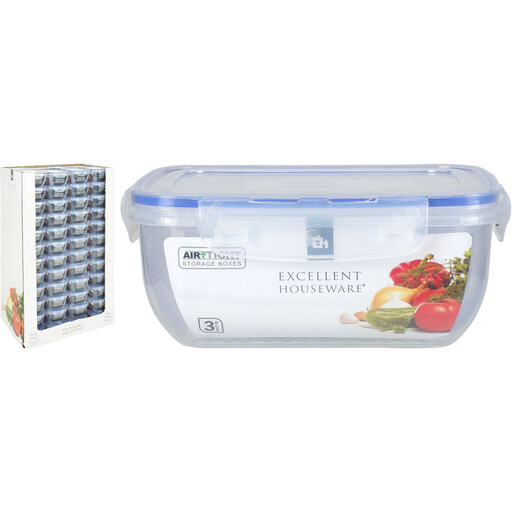
Why we chose it: The perfect starter kit for *meal prep* enthusiasts or for storing leftovers hassle-free. This set of three different sizes covers all daily needs, from the fridge to the microwave.
Its rotary locking system with a silicone seal ensures a foolproof airtight closure. No more dealing with the pitfall of a loose lid and liquids leaking in your bag.
Made from BPA-free polypropylene, it guarantees food safety. Its stackable design provides significant space savings in the refrigerator or cupboards.
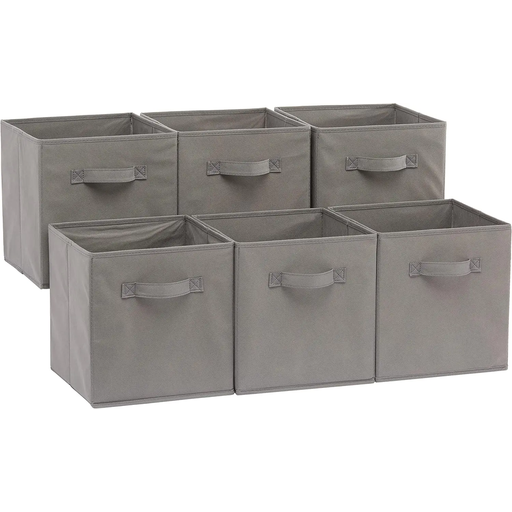
Why we chose it: The perfect solution for taming sweaters, accessories, and linens in a closet or a Kallax-style shelving unit. The set of six allows you to create a cohesive and visually calming storage system.
Unlike budget fabric baskets that sag miserably, its reinforced rigid cardboard structure holds its shape. It sidesteps the trap of the collapsing cube that ruins the entire visual effect.
Its collapsible design allows it to be stored flat when not in use. The sturdy handles make it easy to pull off a shelf.
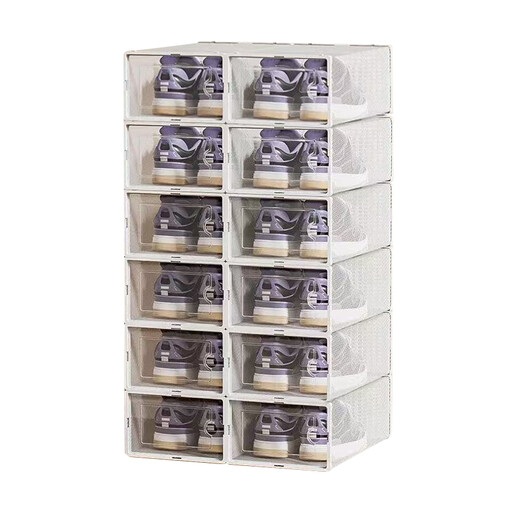
Why we chose it: Designed for collectors who want to both protect and display their prized pairs. This modular system allows you to build a truly worthy *sneaker wall*.
It knocks out flimsy cardboard or thin plastic boxes that warp over time. Its rigid structure and magnetic door protect against dust and yellowing (oxidation), thus preserving the collection's value.
The clear, magnetic front door provides instant access and perfect visibility without having to unstack everything. The plastic is UV-treated to prevent yellowing.
Our editorial team has selected other products that meet our quality criteria and current safety standards.
1. How do I choose the right size box? The golden rule: measure before you buy! Take the exact dimensions of your shelf, drawer, or cupboard (width, depth, height). Also, consider the contents: for heavy items like books, it's better to use several small boxes rather than one large one, as they are much easier to handle.
2. Are all plastic boxes food-safe? No. For food use, you must check for a "BPA-free" (Bisphenol A) label or the official food-safe symbol (a glass and fork). Polypropylene (PP, recycling code 5) is often a good choice, but vigilance is still required.
3. How do I care for my boxes to make them last? For plastic, a simple cleaning with warm, soapy water is sufficient. Do not use an abrasive sponge, which could scratch the surface. For fabric, regular dusting and spot cleaning with a damp cloth will do the trick. Avoid overloading them to prevent deforming the structure. As for food containers, washing them after each use is essential to prevent lingering odours and stubborn stains.