
Livraison le jour même ou le lendemain

Qualité garantie

Débloquez vos offres de bienvenue: Livraison GRATUITE | Jusqu'à -80 % | 30 jours d'essai gratuits à JoyPlus
Téléchargez l'application
An organized home leads to a clearer mind. Yet, faced with a jungle of available options, choosing the right storage box often turns into a headache. Caught between marketing promises and real-world performance, we quickly end up with unsuitable boxes that crack, won't close properly, or create more clutter than they solve. Our mission: to give you the keys to making a smart purchase and avoiding the most common pitfalls.
But before we dive in, let's review the most common disappointments:
To avoid these setbacks, you just need to pay attention to a few technical details.
Successful home organization relies on reliable equipment. Here are the three points to inspect to ensure you make the right choice.
The type of plastic is the primary indicator of durability. For a plastic storage box, polypropylene (identified by the PP symbol) is the gold standard. It offers an excellent balance of flexibility and strength, and it withstands impacts and temperature changes far better than brittle plastics. For heavy loads or multi-level stacking, a wall thickness of at least 2?mm and reinforcing ribs are true guarantees of longevity.
A smart design makes all the difference.
The volume and shape must, of course, match your needs.
Rather than an endless list, here are targeted solutions chosen for their smart and practical design.
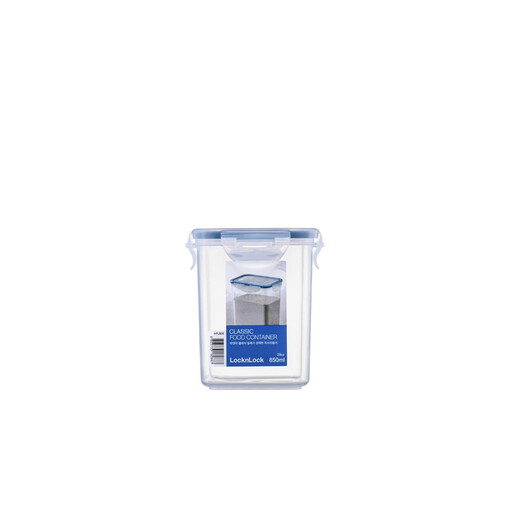
Why we love it : Ideal for storing leftovers, weekly meal prep, or dry ingredients. Its design is built for intensive food use, going effortlessly from the refrigerator to the dishwasher.
It solves the problem of poorly fitting lids with its four-sided locking clip system and silicone seal, which guarantee a perfectly airtight and leak-proof seal.
Leak-proof design : Allows you to transport soups or saucy dishes without any leaks. Its polypropylene plastic is certified for food contact.

Why we love it : Perfect for seasonal items (Christmas decorations, winter clothes, comforters) or for tidying up the garage. This set of large-volume boxes is designed to support heavy loads and stack safely.
It tackles the two worst flaws: brittle plastic and precarious stacking. Its structure is made of thickened PP plastic (2.5 mm) with reinforcing ribs, and its flat lid is designed for a perfectly stable fit.
Sturdy structure and safe stacking : Its design allows you to maximize vertical space without any risk of collapse. Its transparency lets you spot the contents without having to unpack everything.
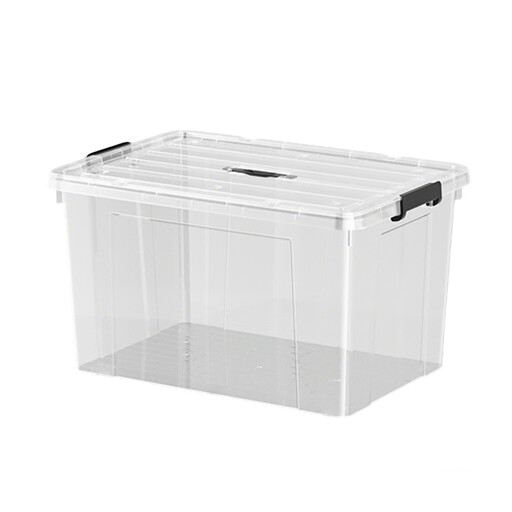
Why we love it : Its low profile (17 cm) is perfect for sliding under a bed or onto a closet shelf. Ideal for storing shoes, toys, office supplies, or personal documents.
It combines a reinforced, anti-warp PP structure with total transparency, which avoids the "out of sight, out of mind" trap: no more need to label or open every box to find your things.
Versatile size and visibility : Its multi-purpose size and transparency make it a go-to ally for everyday organization.
If food storage containers have particularly caught your eye, we have compiled a complete selection of products that meet strict quality and safety criteria.
The lifespan of a plastic storage box depends primarily on its material and how it's used. A high-quality polypropylene (PP) box, used indoors without being overloaded, can last for many years. Conversely, low-end models made from poor-quality recycled plastic or polystyrene (PS) are likely to become brittle and crack within 1 to 2 years, especially if exposed to cold or sunlight.
For most boxes, a simple damp cloth with a bit of mild soap is more than enough. Avoid abrasive products that could scratch the plastic. For a food storage container, always check if it is dishwasher-safe. If not, hand-washing is recommended to preserve the integrity of the seals.
Yellowing is mainly caused by exposure to the sun's ultraviolet (UV) rays. High-quality plastics, like PP, often contain UV inhibitors that significantly slow down this process. To preserve the transparency of your boxes, it is therefore advisable to store them away from direct sunlight (in closets, garages, basements, etc.).