
Livraison le jour même ou le lendemain

Qualité garantie

Débloquez vos offres de bienvenue: Livraison GRATUITE | Jusqu'à -80 % | 30 jours d'essai gratuits à JoyPlus
Téléchargez l'application
Is clutter piling up, leaving you dreaming of a magic bullet for organisation? The storage box seems like the obvious answer. Yet, the wrong choice can quickly turn this potential ally into a source of frustration. Between warping lids, plastics that crack at the first bump, and marketing promises that are too good to be true, it's easy to make a mistake.
I'm the product expert at Joybuy, and my job is to help you see things more clearly. Let's skip the technical jargon: this guide gets straight to the point to help you spot the bad deals and choose boxes that will truly serve you for years to come.
Before you pull out your credit card, keep an eye out for these deal-breakers that turn a good idea into a purchase you'll regret.
You don't need to be an engineer to make the right choice. Just check these three key points. They're what separate a regrettable purchase from a lasting storage solution.
The type of plastic is crucial. Polypropylene (PP) is the most common, and for good reason: it's robust, highly resistant to wear, temperature changes, and most chemicals, while remaining lightweight and often recyclable. For a food storage container, there's one rule of thumb: check for the "BPA-free" (Bisphenol A) label. This guarantees that no unwanted substances will contaminate your food. For a more decorative use, like a desk storage unit or a bathroom organiser, transparent acrylic offers a very chic look, but be aware that it scratches more easily.
A good box isn't just a plastic cube. The details make all the difference:
Ask yourself how you'll use it. Do you need a set of storage boxes that are all identical to standardise your cellar or garage? Or do you need modules of various sizes from the same range to create a custom storage solution? There are also highly specific solutions, like a compact and secure travel pill organiser, or denture boxes with a draining basket. Choosing a model designed for its function ensures peace of mind.
To put theory into practice, here are a few products that perfectly illustrate these criteria, each meeting a specific need.

Why we love it: Perfect for storing off-season clothes, children's toys, or archives. This large-volume set is designed to last and optimise space in the cellar, garage, or attic.
Its 2.5 mm thick structure, reinforced with ribs, withstands shocks and weight. The flat lid and non-slip base ensure perfectly stable stacking. Goodbye to the "Leaning Tower of Pisa" effect!
Its transparency allows you to identify the contents at a glance. The integrated handles ensure a good grip, even when the box is packed to the brim.
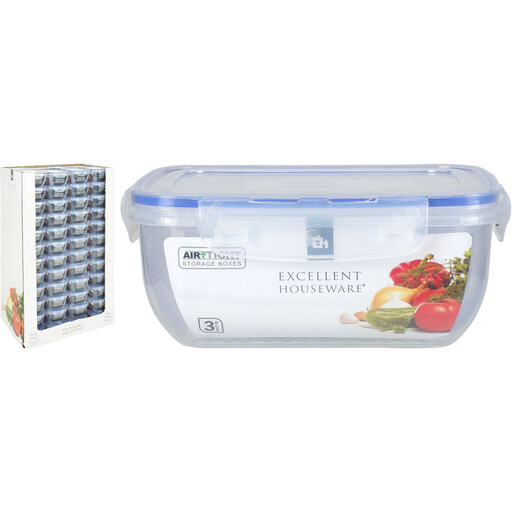
Why we love it: Essential for storing leftovers, prepping your meals for the week (batch cooking), or freezing portions. This set is specially designed for food use, combining safety and practicality.
Its lid features a silicone seal and a rotary lock, ensuring a 100% airtight closure. No more leaks or food losing its freshness, unlike containers with simple clip-on lids.
Guaranteed BPA-free, this polypropylene set goes safely from the fridge to the freezer, and even to the microwave (without the lid). Maximum versatility for everyday use.
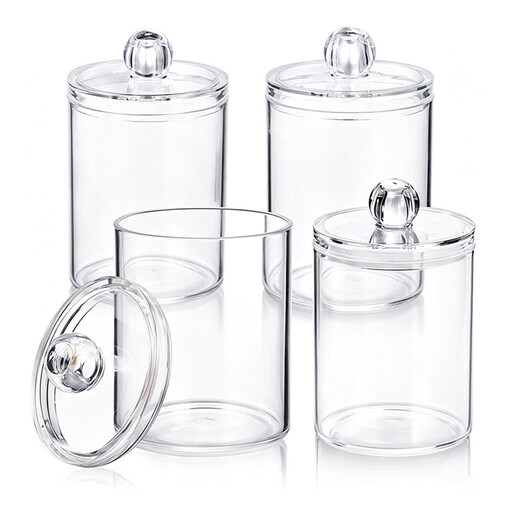
Why we love it: For tidying up small everyday items (cotton balls, makeup remover pads, paper clips) with a touch of elegance. This organiser is as practical on a desk as it is in a bathroom.
No more emptying everything out to find what you're looking for! Its transparent acrylic design offers perfect visibility. The simple and effective lid protects the contents from dust.
Its minimalist and compact design blends into the decor, whether on a shelf, a countertop, or a desk. Clutter disappears in favour of chic, accessible storage.
1. How do I clean a plastic box without scratching it? The easiest way: use a soft cloth or a non-abrasive sponge, warm water, and a little Marseille soap or washing-up liquid. Rinse well and dry with a clean cloth. Above all, avoid scouring powders and the green side of the sponge, which would leave micro-scratches.
2. Can you stack boxes from different brands? It's a bad idea. Even if they seem to hold, the stack will never be as stable and secure as with boxes from the same range. Their bases and lids are specifically designed to interlock. Mixing models means risking the whole thing collapsing.
3. PP plastic vs. acrylic: what's the difference?PP (polypropylene) is flexible, lightweight, and very impact-resistant. It's the perfect material for large storage crates that need to take a beating. Acrylic (sometimes called plexiglass) is more rigid, heavier, and as transparent as glass. It's chosen for its aesthetic appeal, ideal for small desk or bathroom organisers. Its drawback: it's more susceptible to scratches and can break if dropped.