
Livraison le jour même ou le lendemain

Qualité garantie

Débloquez vos offres de bienvenue: Livraison GRATUITE | Jusqu'à -80 % | 30 jours d'essai gratuits à JoyPlus
Téléchargez l'application
Is clutter taking over and you're dreaming of a simple solution to get back a clean and clear living or workspace? The storage box is often the go-to solution. However, a poor choice can quickly turn this smart purchase into a source of frustration: cracking plastic, lids that no longer close, or boxes that are impossible to stack properly.
As the Head of Product Recommendations at Joybuy, my mission is to help you cut through the noise and find home storage solutions that are both practical and durable. Let's skip the marketing jargon and focus on what truly matters. Here are the most common pitfalls and, more importantly, how to avoid them.
To make the right choice, three points deserve your full attention. They are the guarantee of durability and practicality for your future storage solution.
The type of plastic is the primary indicator of quality.
In daily use, it's the design details that make all the difference.
A shoe box doesn't have the same requirements as a weekly pill organiser.
To help you see how these criteria apply in practice, here are a few models suited for different needs.
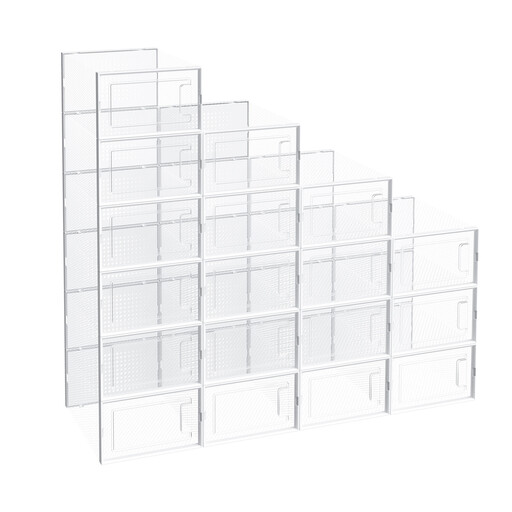
Why we chose it: The perfect solution for turning a pile of loose shoes into an organised, visible collection. The transparent design and front-facing door let you pick a pair without unstacking everything.
The structure is designed for stable stacking, which eliminates the risk of wobbly piles. The PP plastic is far more durable than cheap alternatives that crack easily.
The front-opening door is a huge time-saver in daily life. Ventilation holes help keep shoes fresh and prevent unpleasant odours.
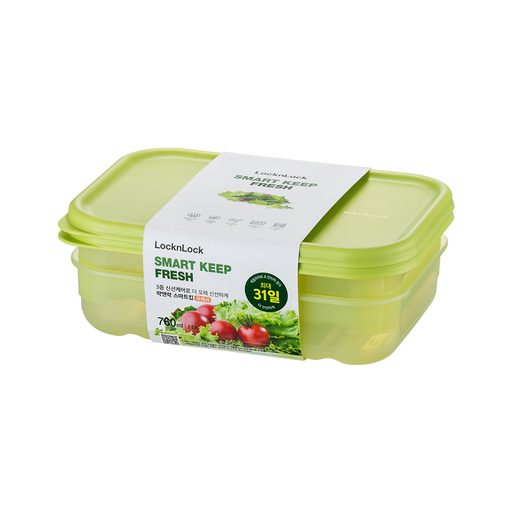
Why we chose it: Perfect for meal prep or storing leftovers. This type of container is designed for maximum freshness and impeccable fridge organisation.
Its clip-locking system is renowned for its perfect, leak-proof seal, avoiding the pitfall of leaky lids. The BPA-free PP plastic is durable and safe for food use.
The manufacturer highlights its FreshSmart technology with Zeolite gas absorption to slow down the ripening process. The wavy base promotes air circulation.

Why we chose it: The solution for those who need to store bulky or heavy items (seasonal clothing, tools, archives) in a garage, basement, or attic. Here, durability and capacity are the priorities.
The manufacturer advertises a 2.5 mm thick shell and reinforcing ribs—the antithesis of flimsy plastic. The non-slip bottom and flat lid ensure secure stacking.
Its reinforced structure allows it to support a significant load, while its transparency helps you identify the contents without opening everything.
Explore our full selection of products that meet our quality criteria and current safety standards.
For most boxes, a damp cloth and a little mild soap will do the trick. For a food storage container, check if it's dishwasher-safe (the top rack is often recommended to preserve the plastic). Avoid abrasive sponges that could scratch the surface.
Yes, provided it is specifically designed for it. Look for details like grooved lids or raised edges that ensure a stable fit. Always respect the maximum load recommended by the manufacturer and avoid mixing different models in the same stack to ensure stability.
BPA (Bisphenol A) is a chemical compound once used in the manufacturing of certain plastics. As a precautionary measure, health regulations now require the use of "BPA-free" containers for any contact with foodstuffs, especially for lunch boxes and food storage containers. This label guarantees that the material is deemed safer for this purpose.