
Livraison le jour même ou le lendemain

Qualité garantie

Débloquez vos offres de bienvenue: Livraison GRATUITE | Jusqu'à -80 % | 30 jours d'essai gratuits à JoyPlus
Téléchargez l'application
Who doesn't dream of a tidy, functional home? The storage box has become the go-to solution. Yet, faced with an overwhelming number of options, the headache begins, and disappointment is often just around the corner. Before you fill your shopping cart, learn how to avoid the common pitfalls that turn a promising purchase into another item gathering dust.
As a product specialist at Joybuy, my mission is simple: to help you cut through the noise. Let's skip the marketing jargon and get real. To make a smart, long-lasting choice, here are the 3 mistakes you must not make.
The 3 Pitfalls to Avoid When Buying a Storage Box:
To avoid these disappointments, a few key checks are essential. The secret to a successful purchase? Finding the perfect balance between material, design, and your everyday needs.
The choice of material determines the durability, use, and aesthetic of your storage solution.
The shape and features should match the space you have and what you want to store.
Instead of an endless list, here are products that meet distinct user profiles, all while adhering to the quality criteria we've just defined.
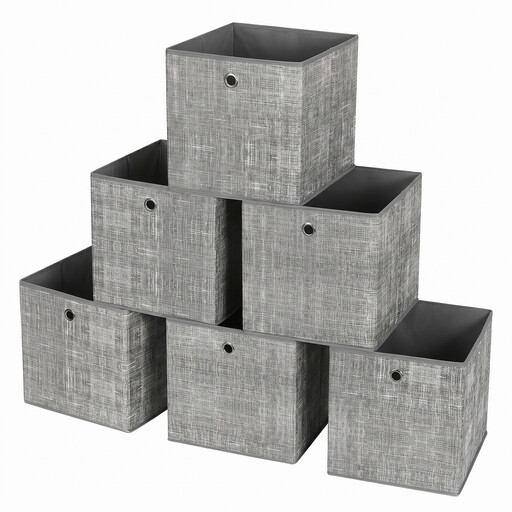
Why we chose it: Ideal for outfitting cube shelving (like Kallax or similar) for a cohesive look on a budget. This set helps organize clothes, accessories, or office supplies.
Unlike low-end fabric cubes, this model uses 80g/m? non-woven fabric and thick cardboard, giving it a rigid structure that won't collapse after a few weeks.
Sold as a set of 6, it offers a complete and cohesive solution. Its foldable design is a real bonus: when empty, it stores flat without taking up space.
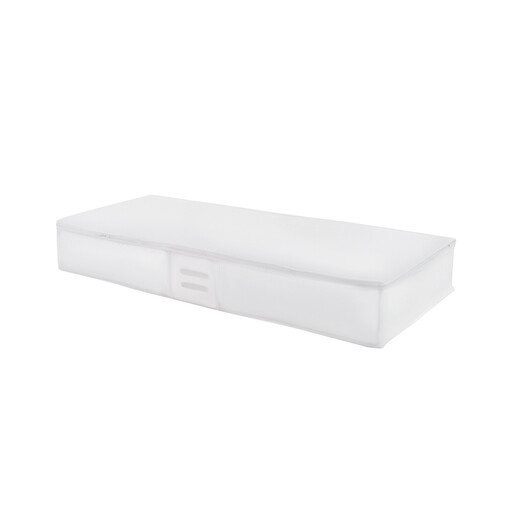
Why we chose it: Perfect for making use of wasted space, like under a bed or on top of a wardrobe. Its large capacity is ideal for storing duvets, blankets, or seasonal clothing, keeping them protected from dust.
It bypasses the pitfall of unsuitable dimensions. With its 15 cm height, it's specifically designed to slide into low-profile spaces where a classic rigid box would never fit.
Its PEVA material effectively protects against dust and moisture. Its generous dimensions (100 x 48 cm) easily accommodate the bulkiest textiles.
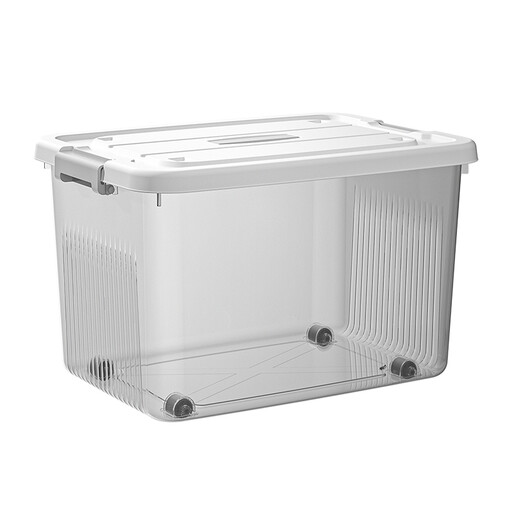
Why we chose it: For those who need to store heavy items or create tall, stable stacks in a garage, laundry room, or pantry. The transparency is a major asset for identifying contents at a glance.
It tackles the pitfalls of fragility and unstable stacking. The body of the box is thickened to 2.5 mm with reinforcing ribs, and the lid is designed to interlock perfectly, ensuring a stack that won't budge.
The reinforced structure and stackable design allow you to safely utilize all available vertical space. The built-in handles make it easy to carry, even when fully loaded.
We've compiled a comprehensive list of products that meet our strict selection criteria and safety standards.
Start by measuring the space where you plan to place it (shelf, under the bed, closet). Next, estimate the volume of the items you need to store. For bulky items like duvets, a large storage bag will be more suitable. For many small items, opt for several smaller boxes or a drawer organizer to prevent everything from ending up in a jumble. The golden rule: always check the internal dimensions—they're the only ones that truly matter.
Far from it. The type of plastic is a crucial factor. PP (polypropylene) is a good indicator of quality, as it's more flexible and less likely to crack over time or in the cold than other rigid, brittle plastics. If the box will be exposed to light, UV protection is a plus to prevent the plastic from yellowing and becoming fragile.
Moisture is your number one enemy. Make sure your textiles are completely dry before storing them. For short-term storage, a breathable fabric storage cube is a good option. For long-term storage in a sealed plastic storage bin, you can add a lavender sachet, a cedar block, or a moisture absorber to keep your linens fresh. Ideally, remember to air out the contents from time to time to circulate fresh air.