
Same-day & Next-day Delivery

Quality Guaranteed

Unlock Your Welcome Offers: FREE Delivery | Up to 80% OFF | Free 30-day JoyPlus trial
Download the APP
A good storage box promises a tidy home and greater peace of mind. Yet, the purchase too often ends in disappointment: warped lids, collapsing stacks of boxes, food that loses its freshness... To avoid filling your cupboards with flimsy solutions, it's best to know the pitfalls to avoid and the criteria that truly make a difference.
Instead of relying on flashy marketing promises, let's focus on the practical details that define the quality and daily usefulness of a storage box. Here are the key points to keep in mind.
To make an informed choice, you just need to analyse a few simple technical features. These are the true indicators of a box's performance, far beyond the marketing claims on the packaging.
The choice of material depends entirely on how you plan to use it.
A container's effectiveness, especially for a lunch box or food preservation, depends on its lid. A high-performance system combines two key elements:
A well-designed stackable box with a lid lets you save vertical space safely. Look at the shape of the lid and the base. The most stable models have guide grooves or a rim on the lid that interlocks with the base of the box above it. A textured or non-slip base is a real bonus to prevent boxes from sliding.
Because every need is unique, here are a few models that cater to specific uses while meeting the quality criteria we've just discussed.

Why this model? Ideal for organising the garage, cellar, or storing off-season clothing. Its large capacity and sturdy structure allow you to store bulky or heavy items without fear of deformation.
The 2.5 mm thick wall and reinforcing ribs prevent cracks. The non-slip base and ridged lid ensure stable stacking with no risk of sliding.
High load capacity and secure stacking. The integrated handles are ergonomic and make transport easy.
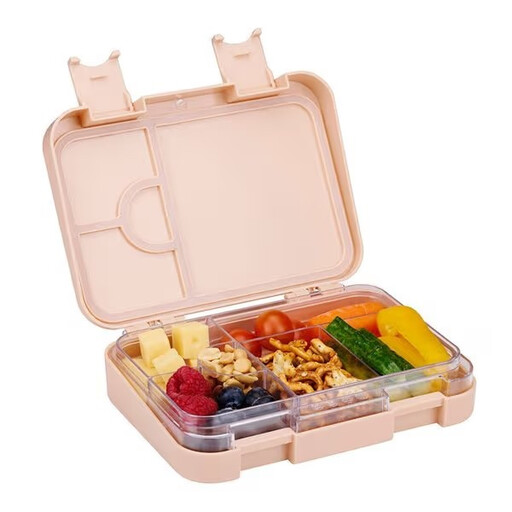
Why this model? Perfect for *meal prep* enthusiasts who want to take a varied lunch to the office or class. Its compact size slips easily into a bag.
Its rigid structure with 6 compartments keeps foods from mixing. The dividers are removable, which makes cleaning much simpler.
Perfect meal organisation thanks to the compartments. Easy to clean, as the box is dishwasher-safe.
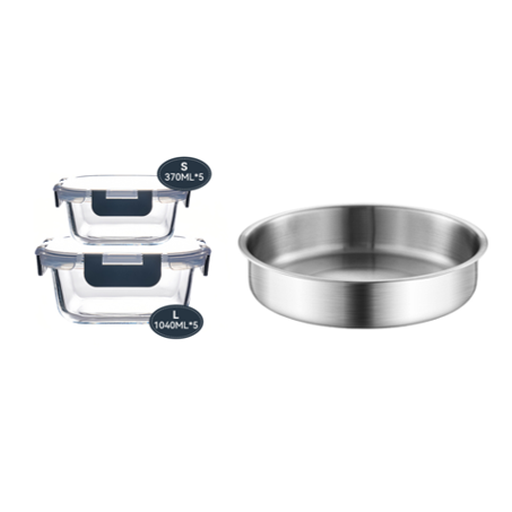
Why this model? For those looking for a healthy and durable solution to store leftovers, freeze meals, or do their *meal prep*. Borosilicate glass is the material of choice in the kitchen.
The lids with locking clips and a silicone gasket guarantee a 100% airtight seal, which preserves freshness and prevents leaks. Unlike plastic, glass does not warp or stain.
Premium, hygienic material (borosilicate glass), resistant to heat. Highly versatile: freezer, oven, and microwave safe.
Discover our complete, up-to-date selection of products that meet our quality criteria and current safety standards.
The longevity of a plastic crate depends primarily on the quality of the material. A model made of thick polypropylene (PP), with structural reinforcements, can last for many years, even with heavy use. Conversely, low-grade, thinner, and more brittle plastics age poorly and eventually crack, especially when exposed to temperature fluctuations (in a cellar, garage, or attic).
For food use, glass (and particularly borosilicate glass) has undeniable advantages. It is non-porous, meaning it doesn't absorb colours, odours, or food residues. It's also an inert material, so there's no risk of it leaching chemicals into your food, even at high temperatures. Food-grade plastic containers certified as BPA-free are safe, but they are still prone to staining and can warp over time.
Look closely at the design of the lid and the base. A truly stable design incorporates grooves or a rim on the lid that interlocks with the base of the box above it. This interlocking mechanism prevents any lateral sliding. A completely flat lid on a completely flat base will always offer less stability. The lid's rigidity is also crucial: it must be able to support the weight of other boxes without sagging.