
Livraison le jour même ou le lendemain

Qualité garantie

Débloquez vos offres de bienvenue: Livraison GRATUITE | Jusqu'à -80 % | 30 jours d'essai gratuits à JoyPlus
Téléchargez l'application
Clutter piling up and stress levels rising? The simplest solution to regain control is often investing in good storage boxes. The problem is, the market is flooded with models that, despite a practical appearance, often hide deal-breaking flaws. To avoid buyer's remorse, learn how to sidestep the most common traps.
As the Head of Product Curation at Joybuy, I'm here to separate fact from fiction for you. Here are the 3 mistakes to absolutely avoid when buying a storage box with a lid.
To make the right choice, rely on objective criteria rather than slick marketing promises. Here are the three technical points to inspect closely for top-notch home organisation.
The type of plastic determines the robustness and potential uses of your box. Polypropylene (PP) is an excellent choice for its resistance to impact, heat, and chemicals. It's a durable material, equally at home storing clothes as it is for kitchen storage.
For any food storage container, the BPA-free (Bisphenol A) label is non-negotiable. It ensures that the plastic will not release any potentially harmful substances when in contact with your food, whether in the refrigerator, freezer, or during moderate reheating. A quality plastic storage box must combine strength and safety.
The closing system is the functional heart of the box. Take a closer look:
A true stackable storage bin is recognisable by structural details that don't lie. Look for grooves on the top of the lid that align with the base of the box above it. Thickened walls and reinforcing ribs on the sides and bottom increase load capacity and prevent warping when the boxes are full and stacked. A textured or non-slip bottom is a real plus to prevent the stack from sliding.
To move from theory to practice, here are models that meet specific needs, chosen for their technical features and smart design.
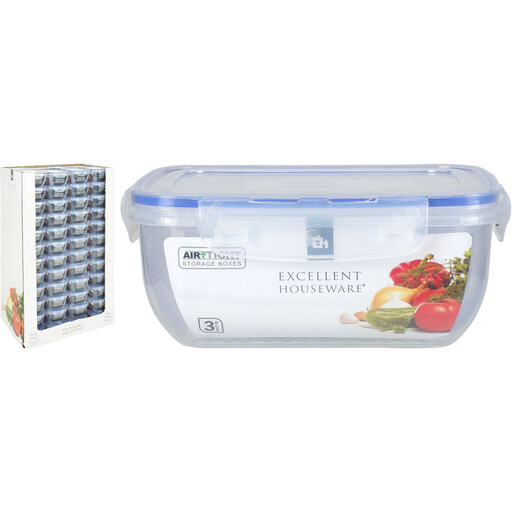
Who is it for? Perfect for meal preppers or for efficiently storing leftovers. Their rectangular shape optimises space in the refrigerator.
Its twist-lock system with a silicone gasket ensures a perfect seal. No more warping lids! The polypropylene plastic is BPA-free, a guarantee of food safety.
100% airtight seal for storage and transport. Fridge, freezer, and microwave safe (with lid slightly open).
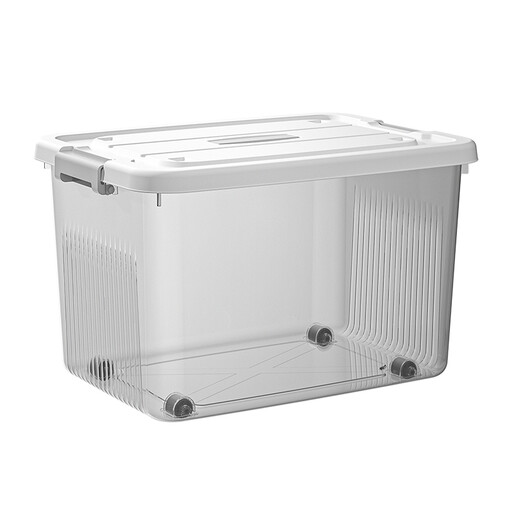
Who is it for? Essential for organising the basement, garage, or closets with heavy or bulky items. This set is designed for heavy loads and optimising vertical space.
Its structure is designed for secure stacking: the lid interlocks perfectly and the base is non-slip. Its thick walls (2.5 mm) and reinforcing ribs prevent it from deforming or breaking under load.
An ultra-robust structure for heavy loads and risk-free stacking. The integrated ergonomic handles make transport easy.
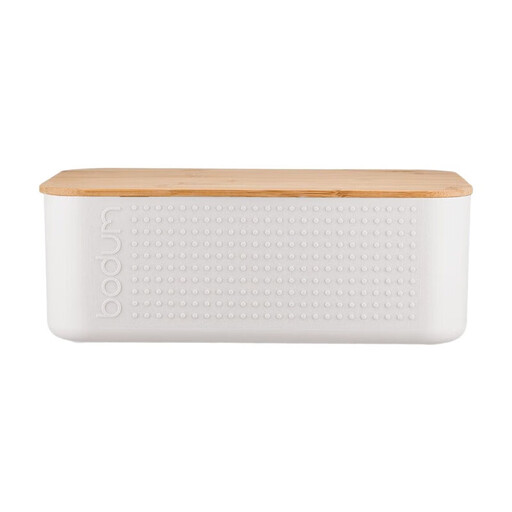
Who is it for? For those who want to combine the useful with the beautiful. It's not meant to be hidden away; it's designed to be displayed, adding a touch of Scandinavian design to your kitchen.
No low-grade plastic here: the lid is a genuine bamboo cutting board, a material as durable as it is sturdy. The body of the box is made of BPA-free plastic, combining aesthetics and safety.
Its clever 2-in-1 design: the lid also serves as a breadboard. Its large 10-litre capacity accommodates bread and pastries.
Discover our complete selection of products that meet all our criteria for quality, durability, and safety.
Most quality plastic boxes can be cleaned simply with warm, soapy water. For food containers, check if they are dishwasher-safe. If a lid contains another material, like bamboo, it should be hand-washed with a damp cloth to prevent it from warping or cracking.
Yes, provided you choose a model specifically designed for it. Look for the details that make a difference: thick walls (over 2 mm), reinforcing ribs, and a secure interlocking system between the boxes. Always follow the manufacturer's recommendations on maximum load to ensure the stability and longevity of your setup.
The main difference lies in the materials and design. A food container must be made of food-grade plastic, certified BPA-free. Its lid is often designed to be airtight to preserve freshness and prevent leaks. A regular storage box, on the other hand, is primarily intended to protect its contents from dust and does not offer the same sanitary or sealing guarantees.