
Livraison le jour même ou le lendemain

Qualité garantie

Débloquez vos offres de bienvenue: Livraison GRATUITE | Jusqu'à -80 % | 30 jours d'essai gratuits à JoyPlus
Téléchargez l'application
Who doesn't dream of a clear and perfectly organised living space? Yet, the quest for the ideal home organization solution is often fraught with pitfalls. A poorly designed storage box is a recipe for frustration: warping lids, cracking plastic, or unstable stacks that threaten to collapse at the slightest touch.
Before you invest, it's best to know the common traps to make an informed choice. This guide breaks down the essential features of a good storage box and helps you select the models that are truly right for your needs.
The market is flooded with options, but not all are created equal. Here are three recurring design flaws that can quickly turn a good deal into a regrettable purchase.
To avoid these disappointments, a few key technical details make all the difference.
The choice of material depends directly on your intended use.
Knowing whether boxes stack stably is fundamental for saving vertical space. Good stackable boxes can be identified by several details?:
The type of closure determines the level of protection for your belongings. A simple drop-on lid is sufficient for non-fragile items stored safely in a closet. However, for protection against dust, moisture, or for transport, a lid with clips or a locking mechanism becomes essential. And for food preservation, a silicone seal ensuring a perfect airtight closure is simply non-negotiable to maintain freshness.
Because every need is unique, here is our selection of products that meet specific uses while adhering to our quality criteria.
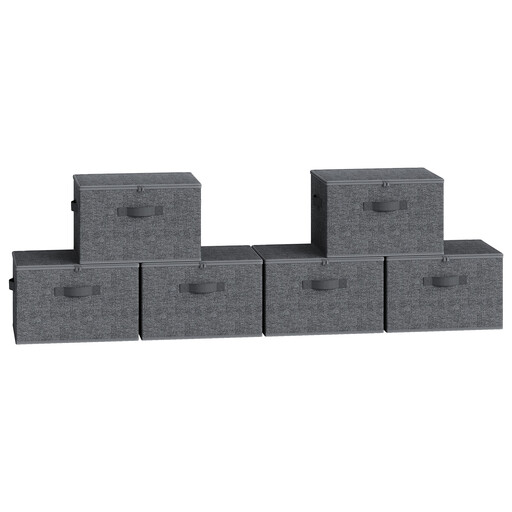
User Profile : Perfect for organising off-season clothes, blankets, or toys in a wardrobe or on a shelf. The set format allows for uniform storage, creating a cleaner, more orderly visual appeal.
Its 2mm-thick cardboard structure prevents the sagging typical of entry-level fabric boxes. The zipped lid ensures a tight seal against dust, unlike simple lids that gape open.
Their foldable design allows them to be stored flat when not in use. Reinforced handles on three sides make them easy to handle.

User Profile : Ideal for storing tools, Christmas decorations, or archives in more demanding environments like a garage, cellar, or attic. The transparent design allows you to identify the contents at a glance.
The 2.5mm-thick body and 3D reinforcement ribs prevent any deformation under weight. The flat lid and non-slip base are specifically designed for stable and secure stacking, avoiding the pitfall of wobbly towers.
Very robust design made of high-quality polypropylene. The integrated ergonomic handles ensure comfortable transport, even when fully loaded.

User Profile : For meal prep enthusiasts or anyone who wants to store leftovers healthily. Glass is the ideal alternative to plastic for food contact, and this 10-piece set of various sizes covers all needs.
The borosilicate glass withstands high temperatures without warping. The locking lids and their silicone seals provide a foolproof airtight seal, preventing leaks in a bag or loss of freshness—the critical flaw of low-end lids.
A healthy material that transfers neither taste nor odour. Maximum versatility : freezer, oven, microwave, and dishwasher safe.
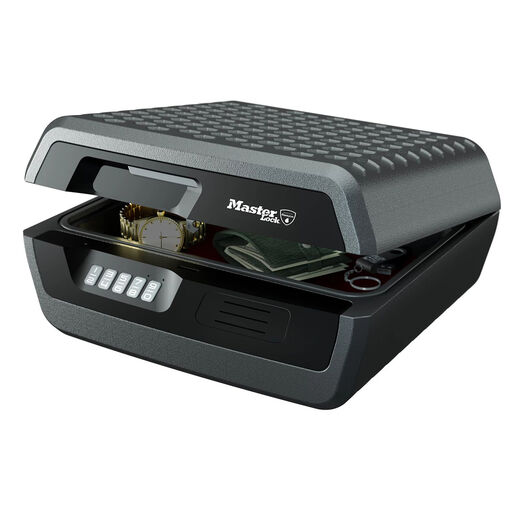
User Profile : For absolute peace of mind. This storage safe is designed to protect your most valuable possessions (passports, property deeds, digital backups) from the risks of fire and flood.
It avoids the ultimate pitfall : believing that a simple plastic box can protect against a disaster. This safe offers certified (UL and ETL) protection against fire and water, where any standard storage box would fail miserably.
Dual protection (fire and water) certified by independent organisations. Programmable digital combination lock for secure, personalised access.
Discover our complete and up-to-date selection of products that meet our strict selection criteria and safety standards.
For most polypropylene (PP) boxes, a damp cloth and a little mild soap are sufficient. Avoid abrasive sponges that could scratch the surface, especially on transparent models. Ensure the box is completely dry before closing it to prevent any mould growth.
Polypropylene (PP) is valued for its good heat resistance, making it microwave-safe (always check the manufacturer's instructions). Polyethylene terephthalate (PET), on the other hand, is very transparent and lightweight but does not handle heat well. For versatile use that includes reheating, PP remains the safer choice.
It's technically possible, but rarely a good idea. Manufacturers design their interlocking systems (base and lid) to work perfectly within the same product line. Mixing brands means risking the creation of unstable stacks that can slip. For safe and effective stacking, it's best to stick to a single product range.