
Livraison le jour même ou le lendemain

Qualité garantie

Débloquez vos offres de bienvenue: Livraison GRATUITE | Jusqu'à -80 % | 30 jours d'essai gratuits à JoyPlus
Téléchargez l'application
A storage bag can save space in a bedroom, suitcase or garage. However, not every model is designed for the same purpose. A soft cover intended for a duvet may not be suitable for carrying tools. Likewise, a vacuum storage bag for clothes can reduce the space they take up without being suitable for delicate items.
Before you buy, three common mistakes are worth avoiding:
The right choice therefore depends on the space available, the items you want to store and how often you will handle them.
Measure the available space before comparing storage bags. Under a bed, for example, the maximum height is often more important than the total capacity. A 100 × 48 × 15 cm bag may fit into a low space, whereas an 18 cm-high model will require more clearance.
For a storage cover intended for a duvet, also check the dimensions of the bedding once folded. A 70 × 50 × 30 cm bag may be advertised as suitable for a 220 × 240 cm double duvet, but the folding method and the textile’s actual thickness can make a difference.
PEVA is often used for storing textiles. Flexible and easy to clean, it resists splashes within the limits of the specifications stated by the manufacturer. Nylon is particularly suitable for packing cubes, thanks to its light weight and flexibility. For tools, thick polyester with a reinforced base provides a structure better suited to heavier loads.
Avoid placing sharp objects in a soft cover without protecting them first. For clothes and bedding, make sure they are completely dry before closing the bag to help prevent unpleasant smells caused by trapped moisture.
A zip, double slider or compression valve should be operated without forcing it. An overfilled bag becomes misshapen and places excessive strain on its seams. If the product listing states a maximum load of 5 pounds, or approximately 2.27 kg, treat this as a limit that must be respected.
Handles make all the difference for a student who moves regularly, a family reorganising its cupboards or a traveller carrying their belongings. When camping, wheels can reduce effort on a flat surface, but the bag must still be suitable for carrying up stairs and across uneven ground.
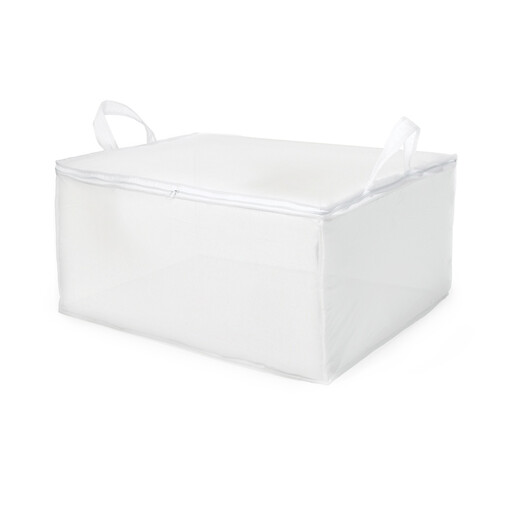
Why this choice suits this profile : This cover is ideal for anyone looking to start organising textiles without complicated equipment, whether for a double duvet or folded clothes.
Its dimensions of 70 × 50 × 30 cm are clearly stated. The translucent material also lets you identify the contents without opening the cover.
Translucent PEVA, a zip and two integrated handles for easier carrying.
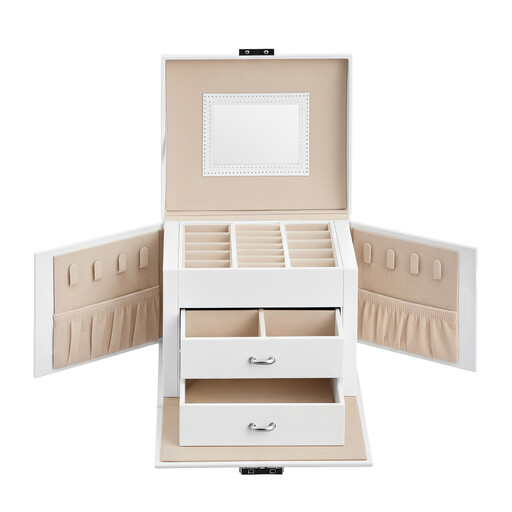
Why this choice suits this profile : This travel jewellery box is designed for people who prefer to carry their accessories in a well-organised case rather than a simple pouch.
The compartments, hooks and two drawers prevent jewellery from becoming tangled. The lock supplied with two keys provides an additional dedicated fastening.
Interior mirror, velvet lining, handle and dimensions of 13.8 × 17.7 × 13.5 cm.
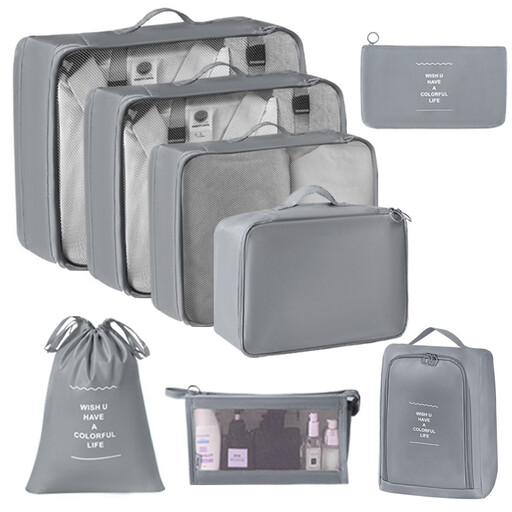
Why this choice suits this profile : The eight sizes let you separate clothes, shoes, accessories and toiletries in a suitcase or university bag.
The mesh panels let you see the contents, while the double fastenings provide access to your belongings without having to empty the entire suitcase.
Lightweight nylon, fabric advertised as water-resistant, handles and a range of sizes.
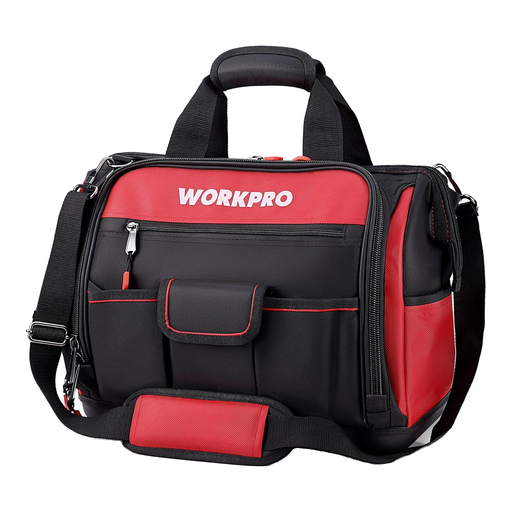
Why this choice suits this profile : DIY enthusiasts and professionals who regularly carry tools need an organiser designed for heavy loads, not just a basic textile storage bag.
Its rigid, reportedly waterproof base protects the contents from direct contact with the ground. The pockets also prevent items from being piled up in a disorderly way.
1680D polyester, 39 pockets, wide opening, shoulder strap and dimensions of 42 × 24.5 × 34 cm.
We have put together a complete, real-time updated list of products that meet these demanding selection criteria and European safety regulations.
Depending on their material and fastening system, they can help limit exposure to splashes and ambient air. However, they are not a substitute for a certified airtight container in damp environments. Always store clean, dry textiles, then choose a properly ventilated place.
This is possible if the product listing allows it, provided you follow the instructions for use. Avoid compressing delicate or bulky items for long periods if they may lose their shape. Check the condition of the bag regularly and air the textile before using it again.
Respect the stated maximum load, keep sharp objects away and clean the exterior with a cloth or slightly damp sponge. For bags with wheels, remove sand and mud promptly, then allow the product to dry completely before folding it away.