What should you look for before buying?
Start with the meal you’re making and the facilities you have available, then compare the ingredients and dosage. If you’re keeping stock cubes at work, check the storage instructions for after opening, too.
| What to consider |
What to check |
Who is it for? |
| Keeping a supply in the cupboard |
Pack size and storage instructions after opening, especially regarding heat and moisture. |
I want to keep seasoning for several lunches without storing opened liquid stock. Around 37% of consumers might put this convenience first. |
| Salt |
The ‘salt’ line in the nutrition information and the stated unit: per 100 g, per cube or per prepared portion. |
My lunch already includes salty foods, and I want to be able to adjust the seasoning. Around 27% of consumers would put salt content first. |
| Ingredients and allergens |
The ingredients list for the exact recipe, highlighted allergens and any ‘may contain’ warnings. |
If I’m putting together a plant-based meal or avoiding an allergen, I need to know what’s in the cube, not just its flavour. Around 18% of consumers might prioritise this compatibility. |
| Uses and dosage |
The dishes listed on the pack and the amount of stock cube recommended for the quantity of water used. |
I might make rice, soup or sauce, sometimes in a small quantity. This flexibility in preparation would come first for around 18% of consumers. |
Joybuy products for this kind of lunch
These individually portioned stock products can be used to season meals prepared at work or in advance. Flavours, pack sizes and ingredients vary, so choose one to suit your recipe and check the label before stocking up.
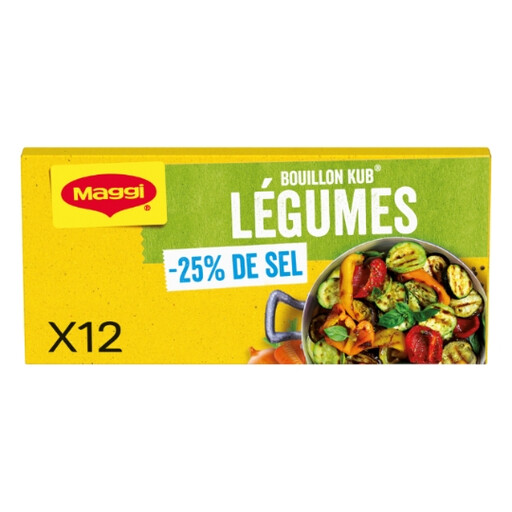 Image unavailable
MAGGI KUB Légumes, 25% less salt, 120 g
Worth considering for seasoning soup or vegetables if you’d like to compare a reduced-salt recipe with a classic one.
The advertised 25% reduction is compared with the average of stock cubes excluding reduced-salt varieties; it doesn’t mean ‘salt-free’. This product contains celery and may contain eggs, milk and gluten. Check the dosage on the pack when preparing a small amount.
View on Joybuy
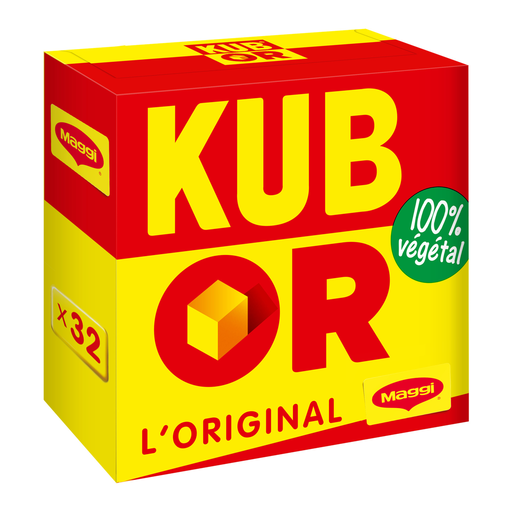 Image unavailable
Maggi Kub Or stock cubes, 128 g
Consider this if you’re looking for a cube to season rice, vegetables, soup or sauce.
The recipe is described as plant-based, but contains wheat and may contain eggs, milk, celery and mustard. To interpret the nutrition information per portion, check the dosage stated on the pack.
View on Joybuy
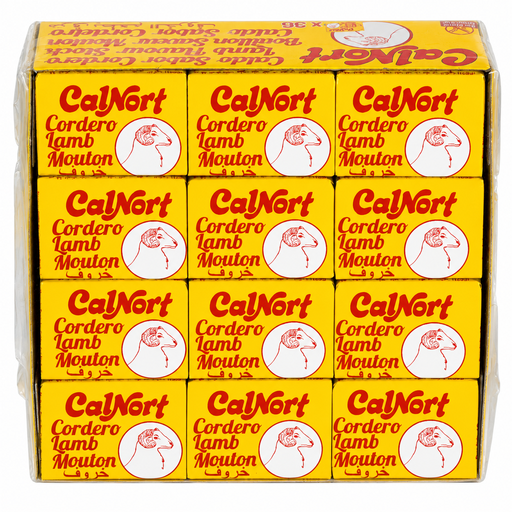 Image unavailable
Calnort lamb-flavoured stock cubes, 10 g × 36
This flavour could work in stock, rice or sauce if it suits the meal you have in mind.
The pack is described as containing 36 cubes of 10 g each. Before use, check the pack for the recommended amount of water, the salt content per cube and allergen information.
View on Joybuy
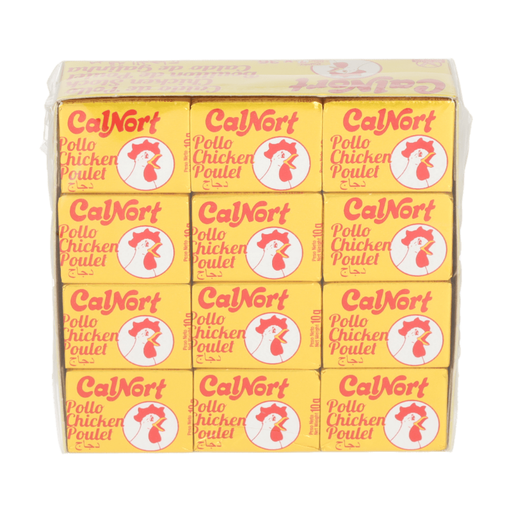 Image unavailable
Calnort chicken-flavoured stock cubes, 10 g
Worth considering for seasoning stock, rice or sauce when chicken flavour suits the dish.
The title specifies 10 g cubes. Before choosing this pack for your supply, check how many cubes it contains, along with the ingredients and dosage on the packaging.
View on Joybuy
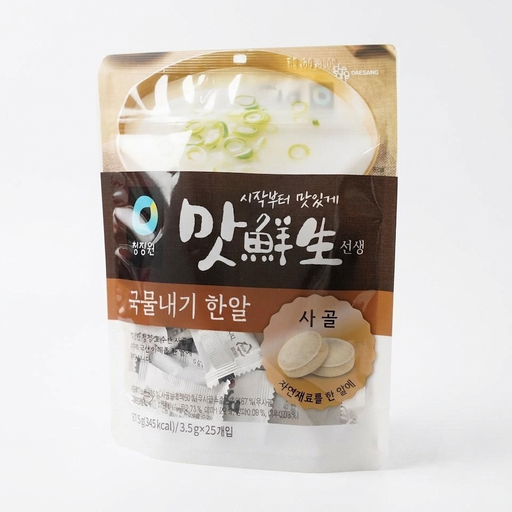 Image unavailable
Daesang Beef Bone Coin Stock, 52.5 g
These coin-shaped portions, rather than traditional cubes, are intended for stock, soup or stew.
The product contains beef. To compare its salt content with other stock products, check the value on the packaging: the available nutrition information doesn’t appear to match the presence of salt in the ingredients.
View on Joybuy
Frequently asked questions
Is one stock cube enough for lunch at work?
No. A stock cube is for seasoning or making stock, not a meal in itself. You can use it in a dish with vegetables, pasta or rice, depending on what you’ve planned for lunch.
How much stock cube should I use for a small portion?
Start with the dosage stated for the product you’ve bought and adjust it to the amount you’re making. The product information for the Maggi, Knorr and Auchan vegetable stock products mentioned here recommends one cube or tablet per roughly 500 ml of water for some uses. Don’t assume that a whole cube will be right for a smaller portion or a sauce.
How should I store opened stock cubes in a desk drawer?
Follow the instructions on the packaging and avoid storing them in a drawer exposed to heat or moisture if the product needs to be kept somewhere cool and dry. Auchan’s vegetable stock product information recommends using an airtight container after opening.
Is a ‘vegetable’ stock cube suitable if I avoid certain allergens?
Not necessarily. Check the ingredients and any ‘may contain’ warnings for the exact recipe. The product information reviewed mentions celery in some Maggi, Knorr and Auchan vegetable varieties; Auchan’s also lists soya.
What should I check on the date printed on a box of stock cubes?
First, check whether the packaging shows a use-by date (DLC) or a best-before date (DDM), then follow the storage instructions. According to the French Ministry of the Economy, a use-by date is a strict limit, while a best-before date relates to how long the product retains its qualities. So, check the wording alongside the date on your box.


