Older people keeping an eye on their salt intake
When seasoning soup, vegetables or starchy foods, the salt content of the cube matters just as much as the amount you actually add to the dish.


If you’re cooking for an older person who wants to limit their salt intake, compare no-salt cubes by their salt content per serving: the manufacturer’s product information for Knorr No Salt Vegetable Stock states that it contains 0.02 g of salt per serving. A reduced-salt cube still contains salt and may contain potassium chloride. If there’s a prescribed diet or an allergy to consider, check the exact ingredients before buying. Whatever cube you choose, it’s still a seasoning, not a substitute for the food in a meal.
When seasoning soup, vegetables or starchy foods, the salt content of the cube matters just as much as the amount you actually add to the dish.
An easy-to-store, easy-to-measure format can make everyday cooking simpler. However, the recipe you choose depends on the needs of the person you’re cooking for: Anses points out that older people don’t all have the same nutritional needs.
The ingredients list for the exact product is key: ‘reduced salt’ tells you neither about all its allergens nor whether it contains potassium chloride.
Start with the most important consideration for the person you’re buying for, then compare the serving size, ingredients and storage instructions. The percentages below show how consumers are divided by their top purchasing priority.
| Criteria | What to check | Who is it for? |
|---|---|---|
| Salt content | Compare the ‘salt’ line for the amount you’ll actually use, and distinguish between ‘no salt’ and ‘reduced salt’. | If I mainly want to avoid adding salt to a dish through the stock, this is what guides my choice. Around 36% of consumers prioritise managing their salt intake. |
| Ingredients to avoid | Read the stated allergens and look for potassium chloride if the recipe is reduced in salt. | When I’m cooking for someone with an allergy or who’s following a prescribed diet, I need to check the exact ingredients before choosing a cube. Ingredient suitability comes first for around 29% of consumers. |
| Use and storage | Check the number of cubes, instructions for use and storage advice after opening on the pack. | When I regularly prepare meals at home, I want a cube that’s easy to measure and keep in the cupboard. Convenience is the main priority for around 21% of consumers. |
| Flavour | Choose the type of stock to suit the dish, and remember to check its salt content. | If there are no particular dietary restrictions, I’m mainly looking for a seasoning to suit my soups, vegetables or starchy foods. Around 14% of consumers put flavour and versatility first. |
Carrefour’s product information for Maggi reduced-salt vegetable stock states that it contains 25% less salt than the average stock, excluding reduced-salt products. That doesn’t mean the cube is salt-free.
Compare the salt content for the serving you’ll use, and take account of other salty ingredients in the dish before adding salt during cooking or at the table.
The Maggi reduced-salt vegetable stock featured by Carrefour contains potassium chloride. Anses highlights the risks of potassium-based salt substitutes for some people, including those with kidney or heart disease, diabetes or certain medication needs.
If you’ve been prescribed a low-salt diet or take medication that could affect your potassium levels, ask your doctor or pharmacist to check the exact ingredients before buying.
Ingredients vary from one recipe to another: the stock cube product information mentioned here flags celery or soya, as well as other ingredients or possible traces depending on the product.
Check the ingredients and allergens listed on every new pack, even if you already know the brand.
Auchan’s product information for its vegetable stock says the cubes are sensitive to heat and moisture.
Choose a pack size that suits how often you use stock cubes, and follow the storage instructions for the product you’ve bought. For this product, Auchan recommends using an airtight container after opening.
The same brand may offer classic, no-salt or reduced-salt recipes. Compare the exact products rather than assuming what they contain from the brand name alone.
The range includes Knorr No Salt Vegetable Stock, which is worth considering if salt content is your top priority.
The range includes classic and organic stock cubes, as well as reduced-salt vegetable stock.
The 12-cube box of vegetable-flavoured stock is a classic recipe to compare for everyday cooking.
Rustica vegetable stock gives you a classic supermarket own-brand recipe to compare.
The retailer features product information for classic, organic and reduced-salt Maggi stock cubes.
These three products are for seasoning meals prepared at home: a vegetable stock cube described as reduced in salt, chicken stock and stock cubes with herbs and olive oil. For each one, check the ingredients and the amount to use according to the needs of the person eating the dish.
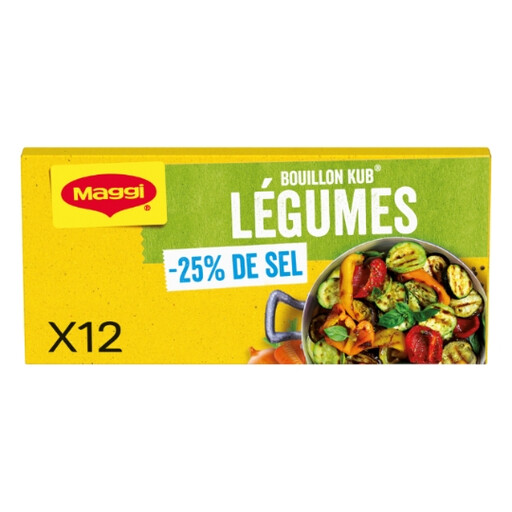 Image unavailable
Worth considering for seasoning vegetable dishes if you’re looking for a recipe described as reduced in salt, rather than a salt-free stock cube.
Maggi states that it contains 25% less salt than the average stock, excluding products reduced in salt. Check the pack for the salt content in the amount you plan to use.
The ingredients list includes potassium and celery, and states that the product may contain traces of egg, milk and gluten. If there’s a prescribed diet or an allergy to consider, check the specific pack before buying.
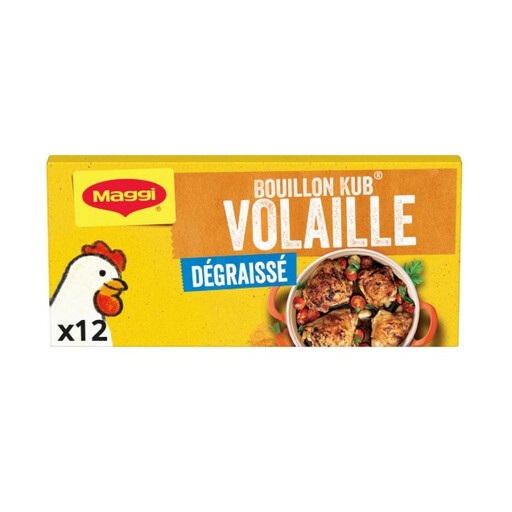 Image unavailable
This chicken stock can be used to season dishes when flavour is the main priority and there are no particular restrictions to consider first.
The box contains 12 cubes. Check the salt content on the pack in relation to the amount you use in your recipe.
Check the ingredients too, rather than relying on a claim about fat: the product name and ingredients list give conflicting information on this point. The recipe contains wheat and celery, and may contain traces of egg and milk.
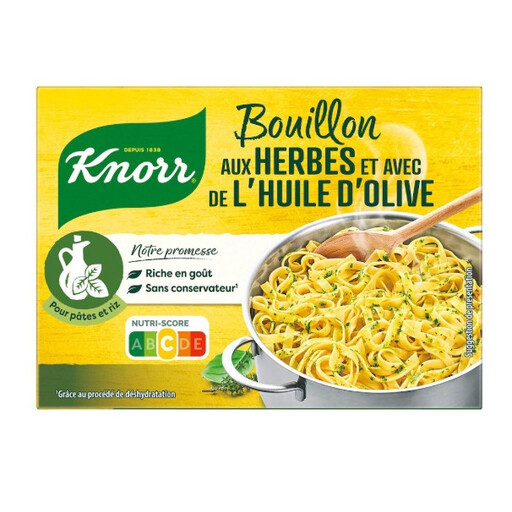 Image unavailable
These stock cubes with herbs and olive oil are an option for seasoning meals prepared at home.
The pack contains 15 cubes and weighs 150 g. If you’re keeping an eye on salt, compare the salt content on the pack for the serving you’ll use.
The ingredients list includes potassium chloride. Ask your doctor or pharmacist to check this product if you’re following a prescribed diet or taking medication that may be affected, and check the label for allergens.
No. ‘Reduced salt’ doesn’t mean ‘salt-free’, and some recipes contain potassium chloride. Anses highlights the risks of potassium-based salt substitutes in certain medical situations. If the diet has been prescribed or medication may be affected, ask your doctor or pharmacist to check the exact ingredients.
Start with the ingredients and stated allergens, then check the ‘salt’ line in the nutritional information, taking account of how much stock cube you’ll use. Also check the number of cubes, instructions for use, date and storage instructions for the product you’ve bought.
Follow the instructions on the pack you’ve chosen and protect the cubes from any conditions the manufacturer advises against. For its vegetable-flavoured stock, Auchan recommends avoiding heat and moisture and, ideally, transferring the cubes to an airtight container after opening.
The exact wording on the pack is key: DGCCRF distinguishes between a use-by date and a best-before date. Check the wording, storage instructions and condition of the packaging; don’t use cubes that have deteriorated or been exposed to moisture.