Anyone preparing meals for the new term
For pasta, rice, soups and sauces, check the flavour, number of cubes and amount to use per recipe. This will help you choose a pack size that suits the dishes you actually cook.


For meals during the new term, choose a stock cube with a flavour that suits the dishes you have planned, then check the number of cubes and the recommended amount to use. If salt or certain ingredients are a priority for your household, compare the nutritional values on the same basis and check the allergens for the exact product. A reduced-salt recipe is not salt-free, and a plant-based recipe may still contain allergens.
For pasta, rice, soups and sauces, check the flavour, number of cubes and amount to use per recipe. This will help you choose a pack size that suits the dishes you actually cook.
Salt-free and reduced-salt recipes have different nutritional values per serving. Compare the information for each product, taking account of the recommended amount and volume of water.
Depending on the recipe, ingredients or allergens may include celery, wheat, soya, milk, eggs or mustard. Check the ingredients list and any ‘may contain’ warnings on the product you choose.
Start with the meals you have planned for the new term, then compare pack sizes and labels. The type of stock, recommended amount, salt content and ingredients can vary from one product to another.
| Criteria | What to check | Who is it for? |
|---|---|---|
| Pack size and uses | Number of cubes, net weight and recommended amount per recipe. | If I cook with stock often, I want a pack that suits the dishes I have planned, without having to use lots of cubes in every recipe. Around 33% of consumers put pack size and usage first. |
| Salt | Amount of salt per serving or recipe, and the corresponding volume of water. | If I’m watching how much salt I add to my meals, I need to distinguish between a reduced-salt recipe and a salt-free one. Around 25% of consumers put salt content first. |
| Ingredients and allergens | Ingredients list and allergen information for the exact product. | If an ingredient is a concern in my household, the flavour or a plant-based label isn’t enough to make a decision. Around 25% of consumers prioritise ingredient suitability. |
| Flavour and cooking | Type of stock and recommended uses shown on the packaging. | For my soups, rice and sauces, I’m looking first and foremost for a flavour that suits the recipes I make. Around 17% of consumers put this first. |
Two packs of different weights won’t necessarily make the same number of servings. The number of cubes and the recommended amount matter too.
Look at all three details together, then choose a pack based on how often you’ll use this type of stock.
Knorr’s reduced-salt vegetable stock contains 1.4 g of salt per serving, so the reduced-salt claim doesn’t mean it’s salt-free.
Compare the ‘salt’ figures on the same preparation basis and take account of any other seasonings in the dish.
A recipe described as plant-based may still contain wheat or celery, for example, or carry warnings about traces of other allergens.
Check the ingredients list and any ‘may contain’ warnings on the packaging for the exact product.
How long a product can be kept and how it should be stored depend on the product. The product information for an Auchan stock cube, for example, says to protect it from heat and moisture.
Check the date and storage instructions on the pack, and choose a size you’ll use for the meals you have planned.
The range includes Kub Or and a vegetable stock advertised as having 25% less salt. Compare the recipes rather than assuming they have the same ingredients.
The vegetable stock range includes traditional, reduced-salt and salt-free recipes. Check the figures for each product individually.
The retailer sells stock cubes under its own brand, including a beef recipe. Check the flavour and ingredients of the product you choose.
The retailer offers Eco+ and Rustica stocks, among others. The type of stock and nutritional information vary by product.
The range described includes vegetable, chicken and pot-au-feu stocks. The instructions can help you choose a recipe suited to the way you plan to cook.
This range includes lamb, chicken, vegetable and herb flavours, as well as Kub Or. First choose the type of stock that suits your dishes, then check the recommended amount and ingredients for each product.
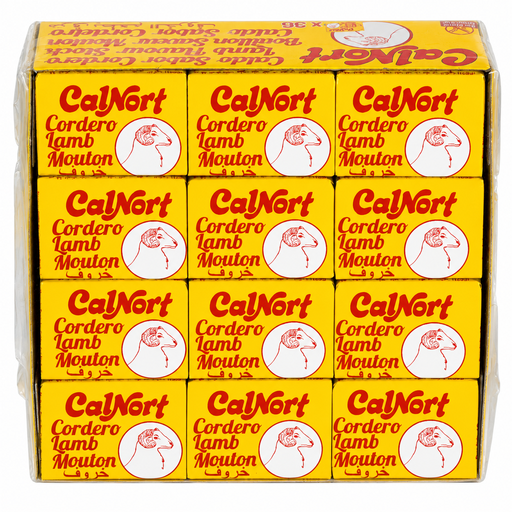 Image unavailable
A lamb flavour to consider for dishes that call for this type of stock.
The pack contains 36 cubes of 10 g each. Check the recommended amount and allergens on the packaging before use.
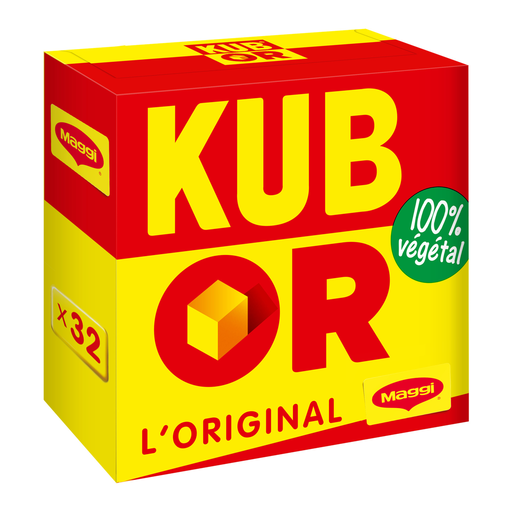 Image unavailable
This recipe may suit you if the Kub Or flavour is a good match for the soups, sauces or rice dishes you have planned.
It contains wheat and may contain eggs, milk, celery and mustard. Check the serving size and recommended amount on the packaging.
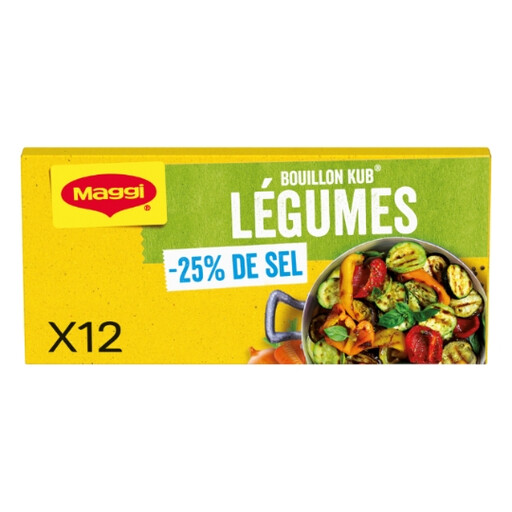 Image unavailable
A vegetable recipe to compare if you’re looking for a stock advertised as reduced in salt, rather than a salt-free product.
The stated value is 0.67 g of salt per 100 ml when prepared. This product contains celery and may contain eggs, milk and gluten. Also check the recommended amount for your serving.
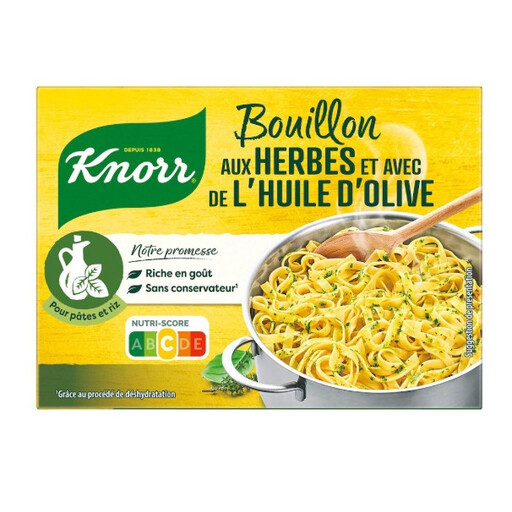 Image unavailable
Worth considering when herbal notes and olive oil suit the dishes you’re making.
The pack contains 15 tablets and weighs 150 g. Check the recommended amount on the packaging before preparing the stock.
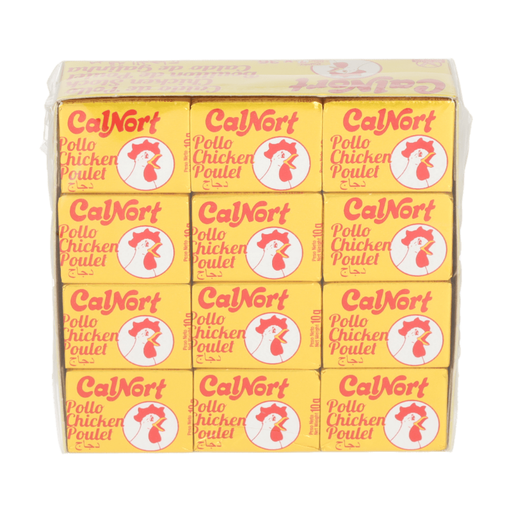 Image unavailable
A chicken flavour to consider for stock or dishes where it works well.
Each cube is listed as weighing 10 g. Check the packaging for the number of cubes, recommended amount and allergens before choosing this product.
Check the number of cubes, their weight and the recommended amount for the dishes you usually make. A heavier pack doesn’t necessarily make more dishes if the amount you need to use is different.
No. Knorr’s reduced-salt vegetable stock contains 1.4 g of salt per serving, while Knorr states that its salt-free vegetable recipe contains 0.02 g per serving. To choose between them, compare the nutritional values on the same serving or preparation basis.
Read the ingredients list and any ‘may contain’ warnings for the exact product, even if it is described as plant-based. The DGCCRF states that allergens must be highlighted on the labels of prepacked foods. Depending on the stock cubes, warnings may relate to celery, wheat, soya, milk, eggs or mustard.
Follow the date and storage instructions on the packaging for your product. For the Maggi product described, the instructions say to store the cubes in a cool, dry place and check the date shown on the pack.