People who make soups and slow-cooked dishes
If you use stock in soups, rice dishes, pasta or slow-cooked meals, choose a flavour that suits the dish. Check the recommended quantity on the pack too: it may tell you how much water to use per cube.


When cooking several dinners, first choose a stock that suits your dishes and the ingredients you want to avoid. Then estimate how many cubes you’ll use before buying a larger pack. If you rotate recipes or want to control the amount of salt you add, several smaller packs may suit you better than one multipack of classic stock cubes. Also compare the salt content and storage instructions for each product.
If you use stock in soups, rice dishes, pasta or slow-cooked meals, choose a flavour that suits the dish. Check the recommended quantity on the pack too: it may tell you how much water to use per cube.
To stay in control of the seasoning in your dinner, compare the ‘salt’ value for classic, reduced-salt and salt-free recipes. The number of cubes in a pack doesn’t tell you how much salt it contains.
If you’re buying ahead, consider the number of cubes and the net weight alongside how often you cook. Check the best-before date and storage instructions before buying several packs.
For a cupboard stocked for several dinners, start with the recipes you cook and the ingredients you need to check. Then choose an amount you can store and use.
| Criteria | What to check | Who it matters to |
|---|---|---|
| Flavour and use | Choose the type of stock to suit the dish and check the recommended quantity for the product you select. | For soups, rice dishes or slow-cooked meals, I want a flavour that works with the recipes I make most often; around 36% of consumers would put how well it suits the dish first. |
| Salt | Compare the ‘salt’ value on the same basis, particularly per 100 g, and then check the stated value for the portion you’ll prepare. | If I want to season dinner myself, the difference between a classic, reduced-salt and salt-free recipe matters more than the pack size; around 29% of consumers would prioritise this control over salt. |
| Pack size and storage | Check the number of cubes, net weight, best-before date and instructions for storage after opening. | I cook several meals, but don’t want to stock up on one flavour that I’ll rarely use; pack size would be the main consideration for around 21% of consumers. |
| Ingredients and allergens | Read the ingredients list, highlighted allergens and any ‘may contain’ warnings on the exact pack. | Before swapping my usual cube for a different recipe, I need to check what it contains; around 14% of consumers would prioritise checking the ingredients. |
Pack sizes and recipes vary. Having more cubes of one flavour doesn’t mean it will suit all your dinners.
Work out how many meals you’ll use them for and check the best-before date. If you like to switch between flavours, several smaller packs may be more practical.
The classic vegetable stock from Knorr France lists 1.7 g of salt per serving. This applies to that specific product and its stated serving, not all stock cubes.
Taste your dish before adding salt, and compare the values for the recipes you’re considering.
Depending on the product, ingredients or ‘may contain’ warnings may mention celery, soya, milk or gluten. A ‘vegetable’ flavour alone doesn’t tell you what’s in it.
Check the label on the exact product, even if you’re only switching pack size or brand.
The salt reduction claimed for a Maggi product is based on a comparison defined by the brand; it doesn’t mean the product contains no salt. Knorr France separately lists 0.02 g of salt per serving for its salt-free vegetable stock.
Check the ‘salt’ value, the serving size and, if a reduction is claimed, what it’s being compared with.
The range includes vegetable stock cubes, a reduced-salt vegetable version and Kub Or. Products listed by Auchan and Carrefour include packs of 18 vegetable cubes and 32 Kub Or cubes.
Knorr France offers classic vegetable stock and salt-free vegetable stock, which you can compare to suit your recipe and preferred seasoning.
Carrefour offers, among other products, Original vegetable stock in a pack of 12 cubes weighing 10 g each. Original and Bio recipes should be checked separately.
The E.Leclerc range includes various stocks and stock tablets from these brands, including a Rustica cooking stock with 12 tablets.
Auchan offers dehydrated vegetable-flavour stock in a tin containing 12 cubes of 10 g each.
These products are for dinners made with stock: the first two are cubes or tablets, while the other three are granulated stocks. If you’re specifically looking for stock cubes to keep in the cupboard, check the product format before choosing.
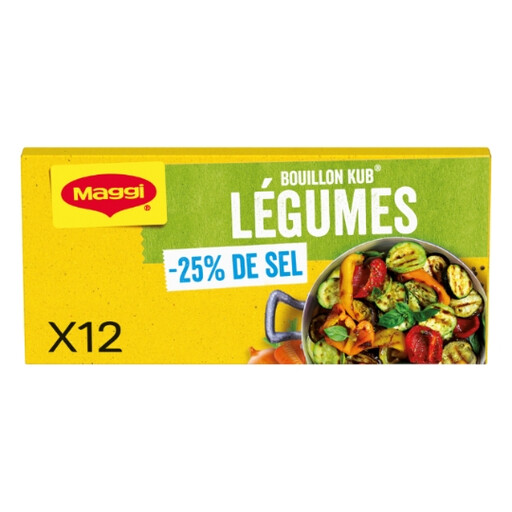 Image unavailable
A cube option for soups, slow-cooked dishes and stir-fries if you want to compare a reduced-salt recipe. The product information lists a 120 g pack and 0.67 g of salt per 100 ml of prepared stock. Maggi claims 25% less salt than the average stock that isn’t reduced-salt; this doesn’t mean ‘salt-free’. Check the pack for celery and possible traces of eggs, milk and gluten.
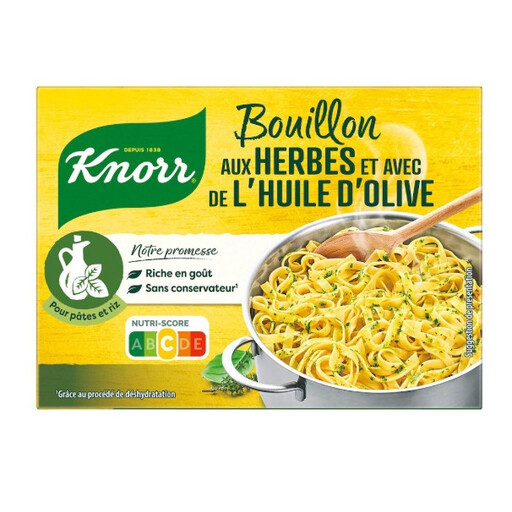 Image unavailable
Worth considering if you’d like a stock with herbs and olive oil for pasta, rice, vegetables or soup. The product information lists 15 tablets weighing 150 g in total, and 32.1 g of salt per 100 g of product. Check the recommended quantity on the pack before use, then taste your dish before adding more salt.
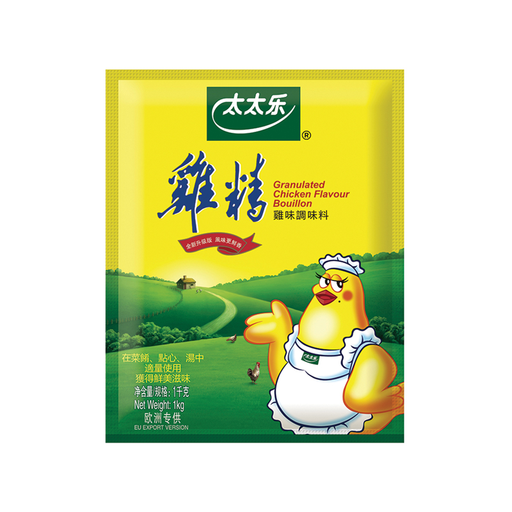 Image unavailable
This granulated stock, rather than stock cubes, could suit frequent use in soups, stir-fries or marinades if its flavour works with your recipes. It has a net weight of 1 kg; the product information lists 39.2 g of salt per 100 g and states that it contains soya. Consider how much you’ll realistically use.
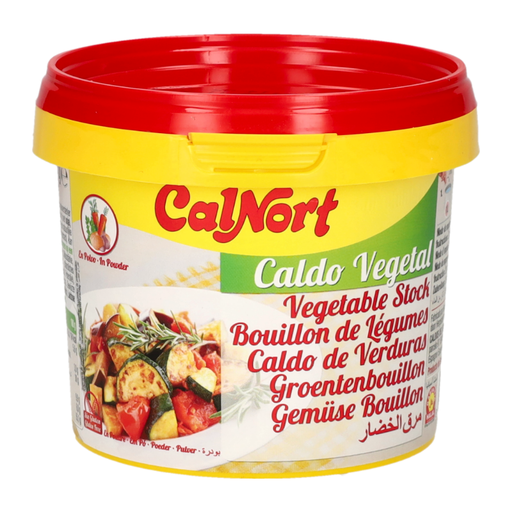 Image unavailable
A vegetable stock powder for soups, sauces, rice and pasta, rather than a pack of cubes. The product information lists 45 g of salt per 100 g. It states that it contains celery and may contain traces of soya, milk, mustard, sesame and gluten. It recommends storing the product in a cool, dry place and sealing it well.
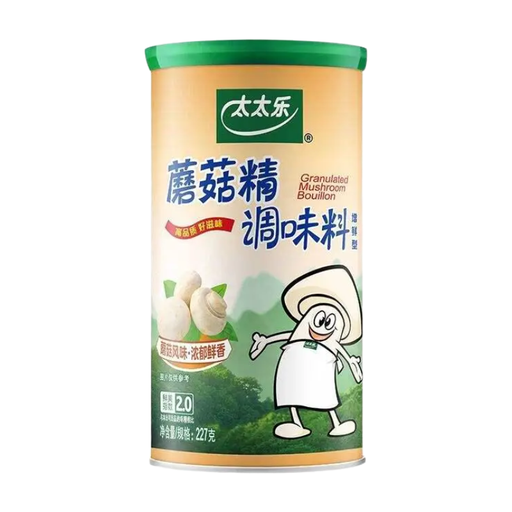 Image unavailable
This granulated mushroom stock could work well in soups, sauces or stir-fries if the flavour suits your dish; it isn’t made up of cubes. The stated pack size is 227 g, and the product information says it contains soya. To compare its seasoning with another stock, check the ‘salt’ value on the label of the product you choose.
Yes. For prepacked food sold in France, allergens present among the ingredients must be highlighted in the ingredients list, as explained by the DGCCRF. Also check the exact pack for any ‘may contain’ warnings, as these vary by recipe.
Compare the ‘salt’ value on the same basis, then check the serving size or volume of stock you’ll use. The DGCCRF says that nutritional information is given per 100 g or 100 ml; serving information then helps you compare products with the recipe you’re making.
Follow the instructions on each pack and keep the cubes away from heat and moisture where advised. For its vegetable-flavour stock cubes, Auchan recommends transferring the tablets to an airtight container after opening.
No. A ‘vegetable’ flavour alone doesn’t tell you what’s in a stock cube. Some Maggi vegetable products are described as containing no ingredients of animal origin, but check the ingredients list on the product you buy and, if necessary, its allergen and ‘may contain’ information.
Check how the date is worded on the pack before deciding how many cubes to buy. A best-before date is marked ‘best before’; also follow the storage conditions on the packaging.