Who are these options for?

Families preparing several homemade meals to take away

If you often cook rice, pasta, soups, vegetables or sauces, compare the number of cubes with how many you actually use. The ranges featured by Carrefour and Auchan include packs of 18 and 32 cubes.

Parents keeping an eye on added salt

If stock features regularly in meals prepared for a secondary school pupil, compare classic, reduced-salt and salt-free recipes by looking at the prepared portion and the recommended amount to use. Anses advises checking food ingredients to identify products with higher salt content.

Households checking ingredients

If you need to avoid an allergen or are looking for a plant-based recipe, read the label for each product. Ingredient lists and warnings about traces vary between the vegetable stock products featured by Maggi and Auchan.

What should you look for first?

Classic stock cubes in a larger pack

Worth considering: if you often cook with stock and will use the cubes before their best-before date.

Bear in mind: the number of cubes tells you nothing about the salt content or allergens in the recipe you choose.

Reduced-salt stock

Worth considering: if you want to compare a less salty recipe with the comparison product specified by the brand.

Bear in mind: ‘reduced salt’ does not mean ‘salt-free’; check the recommended amount to use and the ingredients too.

Salt-free stock

Worth considering: if you prefer to control how much salt you add to your meal separately.

Bear in mind: its ingredients and flavour may differ from the classic stock you usually use.

What to considerWhat to checkWho this matters to
Salt Compare the salt content per prepared portion and the recommended amount to use; distinguish ‘reduced salt’ from ‘salt-free’. If I often add stock to meals, I want to be able to choose how much salt this ingredient contributes. Around 33% of the consumers concerned put controlling salt first.
Ingredients and allergens Read the ingredient list and any warnings about traces for the exact product, even if it is labelled ‘vegetable’. If an ingredient needs to be avoided or you are looking for a plant-based recipe, the product name alone is not enough to decide. This compatibility is the top priority for around 25% of the consumers concerned.
Pack size and storage Check the number of cubes, net weight, best-before date and storage instructions. If I’m preparing several meals over the coming weeks, I want to buy a quantity that my household can realistically use and store. Around 25% of the consumers concerned prioritise this practical pack size.
Flavour and uses Choose a recipe to suit the meals you have planned, and check its ingredients and recommended amount to use. If I alternate between rice, pasta, soups and vegetables, I mainly want a stock with a flavour that works well in these dishes. Around 17% of the consumers concerned put versatility of flavour first.

Mistakes to avoid

  • Choosing the largest pack without checking the salt

    A high number of cubes may suit frequent cooking, but it tells you nothing about the salt content of the recipe. Knorr’s classic and salt-free stocks have different ingredients.

    Choose the type of recipe first, then compare pack sizes and the salt content per prepared portion, based on the recommended amount to use.

  • Assuming ‘vegetable’ means ‘allergen-free’

    Some vegetable stocks featured by Maggi and Auchan list celery or soya, depending on the product. A plant-based recipe is no guarantee that it is allergen-free.

    Check the ingredients and warnings about traces again whenever you change recipe, pack size or brand.

  • Confusing ‘reduced salt’ with ‘salt-free’

    The reduced-salt claims featured by Maggi and Knorr refer to a comparison with a stated baseline; they do not mean that the stock contains no salt.

    If you want to control the salt you add separately, look for a recipe explicitly labelled salt-free. Otherwise, compare the salt content and recommended amount to use for the reduced-salt product.

  • Assuming ‘large pack’ describes the packaging

    The number of cubes and net weight help you compare how much you are buying, but they do not tell you what the box is made of.

    If the packaging matters for storage, check its description. To work out how much to stock up on, use the number of cubes, best-before date and storage instructions as your guide.

Brands to know

Maggi

The range includes several stock cube recipes and different pack sizes. Carrefour features a box of 18 vegetable stock cubes, while Carrefour and Auchan both feature a 32-cube Kub Or pack.

  • The number of cubes makes it easier to choose a stock size that suits how often you cook.
  • Ingredients vary by product. Read any reduced-salt claim alongside its comparison baseline, and check the allergens on the pack you choose.

Knorr

Knorr offers classic, reduced-salt and salt-free vegetable stocks, which should be compared recipe by recipe.

  • Knorr’s product information for its salt-free vegetable stock states 0,02 g of salt per portion.
  • This figure does not apply to the brand’s other products: check the portion, recommended amount to use and ingredients of the product you choose.

Carrefour Original

Carrefour features a box of 12 vegetable stock cubes, as well as other flavour ranges.

  • A 12-cube pack may suit less frequent use better than a stock of several dozen cubes.
  • To compare salt or allergens, check the product information and label for the exact recipe.

Auchan

Auchan offers a 12-cube vegetable-flavour stock weighing 120 g, as well as an organic recipe with 8 stock tablets weighing 80 g.

  • For its 12-cube vegetable-flavour stock, Auchan recommends one tablet per half-litre of cooking water, with a different amount for cooking juices.
  • This product lists celery and soya. Check its ingredients and any warnings about traces before choosing it for a meal with dietary restrictions.

Marque Repère et Bio Village (E.Leclerc)

E.Leclerc offers stocks and stock bases under its own brands, in packs of 8 or 12 tablets depending on the product.

  • These pack sizes offer other quantities to compare for your cupboard.
  • Pack size does not tell you the salt content or allergens: check the ingredients of the exact product.

Cubes and stock tablets for these meals

These Joybuy products offer three ways to season meals prepared for a secondary school pupil: reduced-salt vegetable stock, herb and olive oil stock tablets, and Kub Or cubes. Compare each recipe and pack size before deciding how much to stock up on.
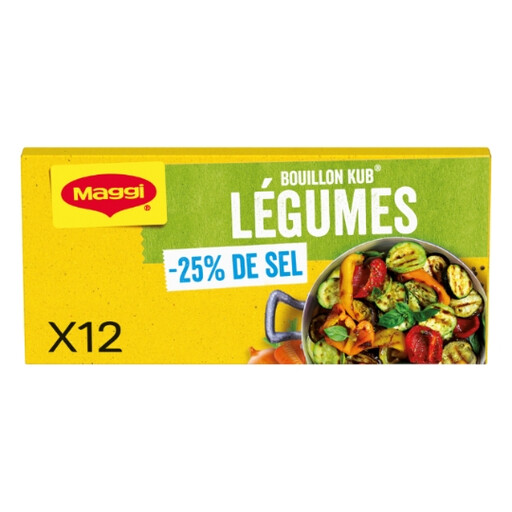
MAGGI KUB vegetable stock cubes, 25% less salt, 120 g

MAGGI KUB vegetable stock cubes, 25% less salt, 120 g

Worth a look if you regularly use vegetable stock in your cooking and want to compare a reduced-salt recipe. The box is listed as 120 g; check the label for the basis of the stated reduction, recommended amount to use, number of cubes and allergens before stocking up.

View on Joybuy
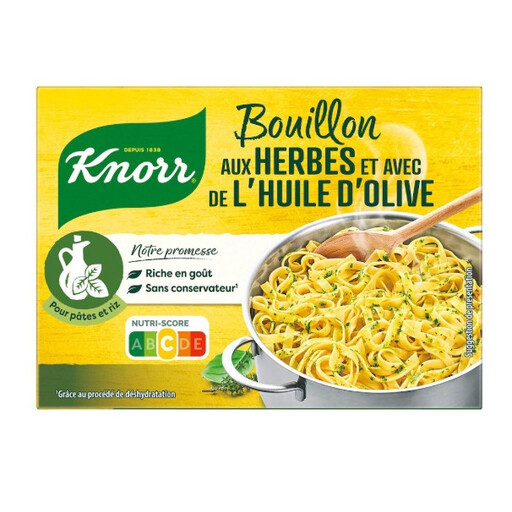
Knorr herb and olive oil stock, 15 tablets, 150 g

Knorr herb and olive oil stock, 15 tablets, 150 g

Worth considering if this flavoured recipe suits the meals you prepare. The pack contains 15 tablets and weighs 150 g. Compare the recommended amount to use and the salt content of the prepared dish, then check the ingredients and allergens on the label.

View on Joybuy
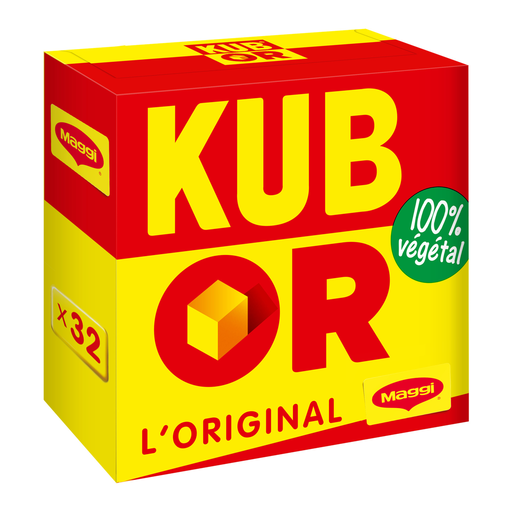
Maggi Kub Or stock cubes, 128 g

Maggi Kub Or stock cubes, 128 g

Worth comparing if you are looking for cubes to season your household’s usual meals. The pack is listed as 128 g; check the number of cubes, recommended amount to use, salt content of the prepared dish and allergens for this product before choosing a pack size.

View on Joybuy

Frequently asked questions

Is reduced-salt stock the same as salt-free stock?

No. Reduced salt is a comparison, not an absence of salt. Maggi and Knorr offer vegetable stock products labelled as containing 25% less salt, each based on the comparison stated for that product. Knorr states that its salt-free vegetable stock contains 0,02 g of salt per portion. Compare the recommended amount to use and the prepared portion before choosing.

What should you check on a vegetable stock cube if you have an allergy?

Check the ingredient list and any warnings about traces for the exact product: ‘vegetable’ does not mean ‘allergen-free’. Some recipes featured by Maggi and Auchan list celery or soya, depending on the product. France’s DGCCRF reminds consumers that allergenic ingredients in prepacked foods must be emphasised in the ingredient list.

How should you store stock cubes after opening?

Follow the storage instructions on the box and check its best-before date if you are planning to stock up. For its 12-cube vegetable-flavour stock, Auchan recommends transferring the tablets to an airtight container after opening, if possible.

Which details on the packaging help you compare two stocks?

Check the product name, ingredients, nutritional information, net quantity and date, then compare the amount needed for your recipe. France’s DGCCRF lists these among the labelling details required for prepacked foods. When choosing between two recipes, also read the highlighted allergen information and the storage instructions for each one.