Anyone making a hot savoury breakfast
You cook a soup, vegetables or a rice or savoury grain dish in the morning. The suggested uses for stock cubes include soups, rice, pasta and vegetables.


A large pack of stock cubes is most worthwhile if your weekday breakfasts regularly include a hot savoury dish, such as soup, vegetables or rice. Before choosing a pack size, compare the recommended amount, salt per portion and ingredients. A reduced-salt recipe isn’t salt-free, while powdered stock in a large pack needs to be measured out for each use.
You cook a soup, vegetables or a rice or savoury grain dish in the morning. The suggested uses for stock cubes include soups, rice, pasta and vegetables.
You use stock several times a week and want a pack with enough cubes for that frequency, without ending up with unused portions piling up.
You compare the salt per portion or need to check for ingredients of animal origin and allergens. These details vary by recipe, even within the same brand.
For a weekday breakfast, first check that stock really features in the hot savoury dishes you make. Then choose a pack size and recipe to suit the way you use it.
| What to consider | What to check | Who it matters to |
|---|---|---|
| Breakfast use | Think about the hot savoury dishes you actually make and how much stock you use in them. | If I usually have a cold or sweet breakfast, a pack of stock cubes could end up sitting in the cupboard. Around 40% of the consumers concerned would put suitability for their morning dishes first. |
| Pack size and recommended amount | Compare the number of cubes and the amount recommended for the same volume of water, rather than looking only at the pack weight. | When I often make dishes with stock, I want to shop less often without buying too many cubes. This pack size would be the priority for around 30% of the consumers concerned. |
| Salt per portion | Check the nutrition information per prepared portion and distinguish between ‘salt-free’ and ‘reduced salt’. | If I’m already having bread, cheese or other salty foods with my stock, I want to know how much salt it adds to the meal. Around 20% of the consumers concerned would put keeping an eye on salt ahead of other criteria. |
| Ingredients and allergens | Check the exact recipe and allergens listed on the pack, even if you know the brand. | To avoid an ingredient of animal origin or an allergen, I need to be able to check the specific product I’m buying. Around 10% of the consumers concerned would make this their priority. |
The suggested uses are for hot savoury dishes. A large pack is of little use if you usually have a cold or sweet breakfast.
Before you buy, count how many dishes you’d actually use stock in during the week.
The reduced-salt claim for Maggi Kub Or is based on a comparison with the average for stocks that aren’t labelled reduced salt; the product still contains salt.
Check the exact wording and compare the salt per prepared portion. Taste your dish before adding salt.
Chicken or beef recipes won’t meet the same needs as a vegetable recipe. The allergens listed also vary from one product to another.
Read the ingredients list and allergen information on the specific pack, especially if you need to avoid wheat, celery or other ingredients.
A cube won’t necessarily weigh the same or have the same recommended amount across different recipes. So the total pack weight doesn’t tell you how many dishes you can make.
Compare the number of cubes with the recommended amount for the volume of water you usually use.
The range includes vegetable Kub Or cubes, chicken stock cubes and products marketed as lower in salt.
Knorr offers vegetable stock as well as a separate range of salt-free stock.
Carrefour lists, among other products, a beef stock in a box of 15 cubes weighing 10 g each.
E.Leclerc sells stocks and gravy bases under these brands, with a range of different recipes and pack sizes.
Auchan’s stock aisle includes recipes and pack sizes from its own brand as well as other brands.
These two pack sizes suit different needs: a large pack of chicken-flavoured granules, so you can measure out stock to suit each dish, and vegetable stock cubes marketed as lower in salt for hot savoury meals.
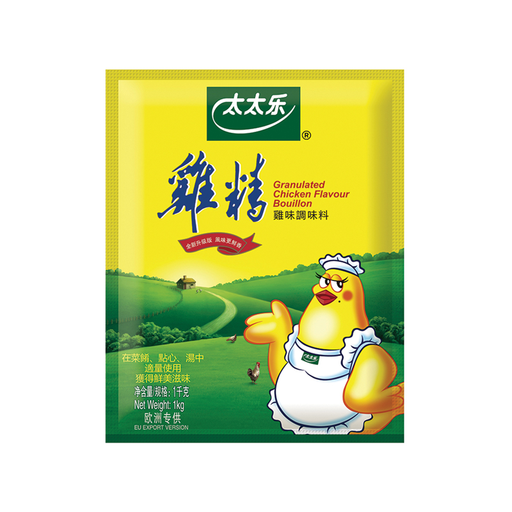 Image unavailable
This large pack could suit you if you regularly prepare hot savoury dishes and prefer to measure out your stock rather than use pre-portioned cubes.
This product comes in granules, not cubes. Check the recommended amount and salt content for the portion you’re making; the product information also lists soya.
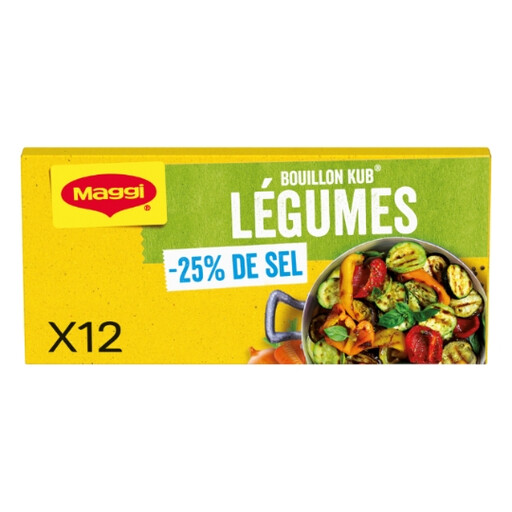 Image unavailable
These cubes can be used in a hot savoury dish if you’re looking for a vegetable recipe marketed as lower in salt. Just don’t confuse it with salt-free stock.
To decide whether the pack suits frequent use, check how many cubes it contains and the recommended amount. The product information lists celery and possible traces of egg, milk and gluten, so check the label if needed.
Yes, if you’re making a hot savoury dish that you’d normally use stock in, such as soup, rice or cooked vegetables. Stock cubes aren’t suited to the same sort of meal if you usually have a cold or sweet breakfast.
Compare how often you use stock with the number of cubes and the recommended amount for the product you’re considering. For example, Auchan recommends two cubes per half-litre of water for a 64-cube pack of Maggi Kub Or, compared with one cube per half-litre for Maggi Kub Volaille in a pack of 18 tablets. So the number of cubes alone isn’t enough to go by.
No. The Maggi Kub Or product marketed as containing 25% less salt is still a stock that contains salt, while Knorr sells a separate salt-free range. Check the wording and nutrition information for the specific recipe you’re considering.
Not necessarily: ‘vegetable’ doesn’t tell you about every allergen. The Maggi Kub Or product reviewed contains wheat and carries warnings that other allergens may be present. Check the ingredients list and information on the pack you buy.
Not automatically. Manger Bouger lists stock among the condiments that contribute to your salt intake. Taste the dish and consider any other salty ingredients in the meal before adding more.