
Livraison le jour même ou le lendemain

Qualité garantie

Débloquez vos offres de bienvenue: Livraison GRATUITE | Jusqu'à -80 % | 30 jours d'essai gratuits à JoyPlus
Téléchargez l'application
Sticky notes and creative paper serve very different purposes: organising a day of remote work, preparing a lesson, annotating a document, making a collage or dreaming up a decoration. Yet when it comes to buying, we often just look at the colour or the price on the shelf. The result? A pad that's too small, an adhesive that's not right for the job, or paper that can't handle the technique you have in mind.
Before you fill your basket with Post-it notes, repositionable notes or artist paper, it's worth keeping three common pitfalls in mind.
A small memo pad is fine for a quick reminder, but it soon shows its limits when you need to write a to-do list, a meeting summary or jot down ideas during a brainstorming session. On the other hand, a large format can clutter a desk or fail to fit inside a planner.
A standard repositionable note works well on paper, a notebook or a ring binder. On a door, a wall, a screen or any other vertical surface, a stronger adhesive can be useful. However, that doesn't guarantee universal compatibility. Wallpaper, fresh paint, electronic devices and delicate materials all require a bit of care.
Bright colours make visual sorting easier, but they don't replace checking the number of sheets, the paper weight or the certification being promoted. If the product page mentions a PEFC certification, also check the reference provided, such as SGSCH-PEFC-COC-110078 for several Post-it products featured here.
For everyday use, these dimensions cover most needs:
Remember to compare the number of sheets per pad and the number of pads in each pack. A pack of 12 pads of 100 sheets, like some Deli office supplies, can be good value for regular use. For occasional use, an assortment of a few coloured pads will often be more suitable.
Standard notes are designed to be removed and repositioned on suitable surfaces. According to the manufacturer's specifications, Post-it Super Sticky notes have a stronger adhesive. They are intended for vertical or more difficult surfaces, while still being repositionable.
To avoid any unpleasant surprises:
For drawing and creative hobbies, paper weight isn't everything. Texture, absorbency and moisture resistance are just as important. A 250 g/m² multi-technique paper will be better suited to felt-tip pens, ink, gouache or acrylic than a simple sheet of office paper.
The Clairefontaine Paint'ON range includes cellulose pads with several grains and different shades. Metallic crepe paper is designed for a different type of project: decorations, paper flowers, gift wrapping or 3D creations.
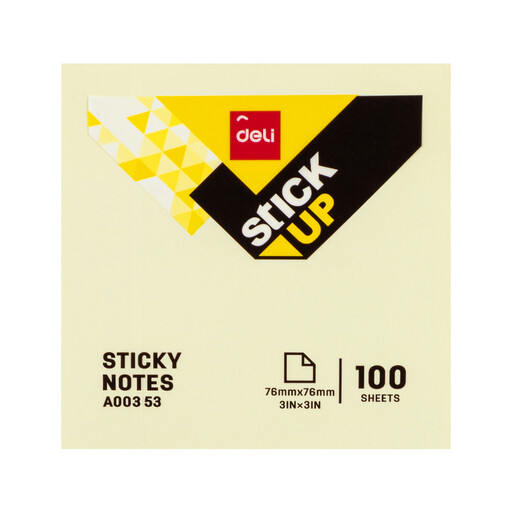
Why this choice suits this profile: Its square format and quantity make it a practical ally for lists, phone reminders and everyday tasks at home, in class or at the office.
The 12 pads give you plenty to go at without opting for an oversized format that's unnecessary for simple short messages.
12 pads of 100 sheets, yellow paper and 76 × 76 mm format.
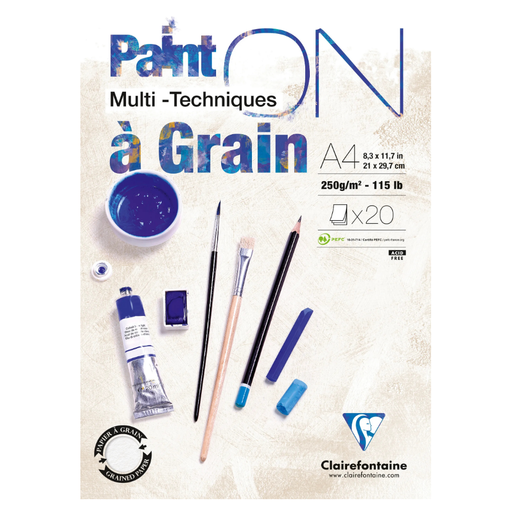
Why this choice suits this profile: This A4 block is aimed at artists and hobbyists who want to move from pencil to felt-tip pen, ink, gouache or acrylic on a thick surface.
With its 250 g/m² weight and two levels of grain, this block isn't limited to just one technique.
100% cellulose paper, A4 format, pronounced grain on one side and lighter on the other.
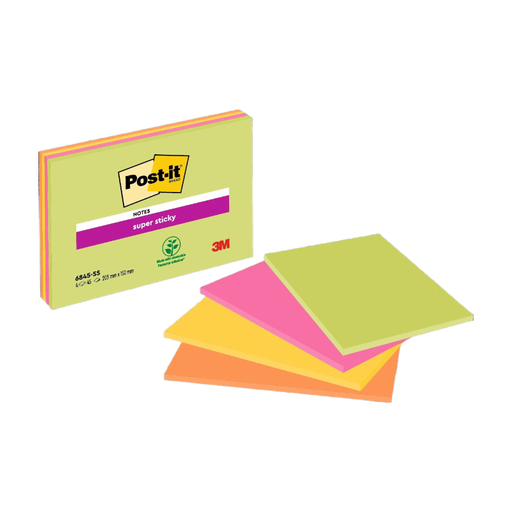
Why this choice suits this profile: Its large lined format is ideal for meetings, presentations, action plans and brainstorming workshops, whether in the office or remotely.
Its dimensions stop you from piling up small notes as soon as a message needs several lines or a diagram needs to fit on it.
45 sheets per pad, 4 pads per pack, lined format and Super Sticky adhesive claimed to be twice as strong as standard notes.
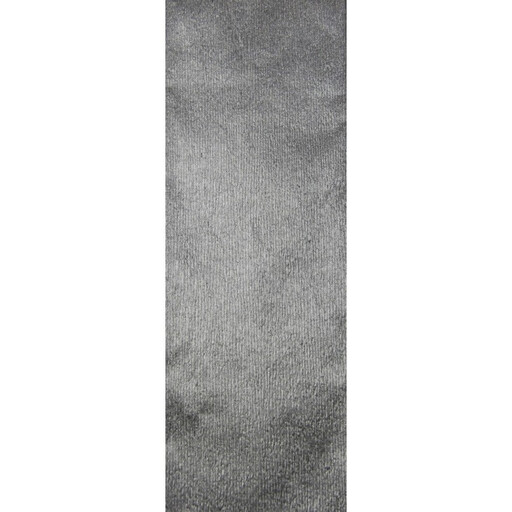
Why this choice suits this profile: Its large sheet lends itself to paper flowers, gift wrapping, garlands, party decorations and 3D creations.
The stated size lets you create wide elements without having to join lots of small strips together.
72 g weight, silver metallic finish and a texture that can be cut, stretched and shaped.
We've put together a comprehensive list, updated in real time, of products that meet these demanding selection criteria and European safety regulations.
Store it in a dry place at room temperature, away from dust. Humidity can reduce the adhesive strength and warp the paper. For coloured pads, also avoid prolonged exposure to sunlight to prevent fading.
Some stronger-adhesive versions are designed to hold better on vertical surfaces. However, compatibility depends on the wall covering, its cleanliness and its condition. Test on a small area and avoid applying to fresh paint, fragile wallpaper or an electronic device.
For combining pencil, pen, marker, ink, gouache or acrylic, go for a multi-technique paper of at least 250 g/m² and check the manufacturer's recommendations. A Paint'ON grain block can support several practices, while metallic crepe paper is intended for decorative projects, not wet drawing.