
Livraison le jour même ou le lendemain

Qualité garantie

Débloquez vos offres de bienvenue: Livraison GRATUITE | Jusqu'à -80 % | 30 jours d'essai gratuits à JoyPlus
Téléchargez l'application
DIY, cooking, pet care… For our everyday equipment, we demand strength and durability. Steel is the obvious choice. But be warned: not all steel is created equal. Between marketing jargon and tempting promises, it's hard to know what to believe. Who hasn't cursed at a brand-new tool that rusts after three rain showers, or an accessory whose mechanism gives out without warning? As a Product Expert at Joybuy, my mission is to decode fact from fiction for you. Follow this guide to avoid the pitfalls and invest in gear that will truly stand the test of time.
Buying a steel tool should logically mean buying peace of mind for years to come. Yet, between stubborn myths and well-hidden design flaws, disappointment is often just around the corner.
The Myth of "Magical" Stainless Steel?: The word "stainless" rings like a promise of absolute durability. The reality is more nuanced: there are dozens of types of stainless steel. A low-grade model, unsuited for its intended use, will eventually rust when exposed to moisture, salt, or acidity. This is the classic case of the BBQ brush left outside or stainless steel kitchen utensils that pit after a few dishwasher cycles.
Ergonomics Sacrificed for the Sake of Sturdiness?: What good is an ultra-strong tool if it's a pain to use? A handle that slips, poor balance, or a badly designed working angle can quickly turn a DIY project into a torture session. Beyond discomfort, it's sometimes your safety that's at stake.
The Internal Mechanism: The Weakest Link?: For products like a chew-proof retractable leash or a cordless hair clipper, true strength is hidden inside. A beautiful steel body can conceal a low-quality return spring, an anemic motor, or brittle plastic locking parts. These are the components that fail first, sending the item to the bin while its casing is still pristine.
Fortunately, avoiding these disappointments is simply a matter of knowing where to look. A few technical details can make all the difference.
The type of steel is the first indicator of quality. Learning to decipher it ensures the product will truly meet your needs.
Quality steel is good. Well-used quality steel is better. Pay close attention to the design details that make a world of difference in daily use, for both performance and maintenance.
To move from theory to practice, we've selected three products that perfectly embody this philosophy: quality materials serving an intelligent, user-centric design.
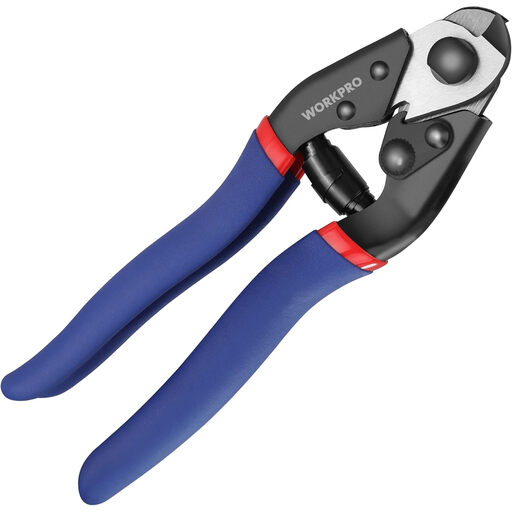
Who is it for? Perfect for surgical cuts on steel cables, bike housing, or wire. A tool where precision and robustness are non-negotiable.
Its forged and heat-treated chrome vanadium steel (CR-V) construction gives it rock-solid endurance, far beyond standard steels. Its ergonomic handles ensure a perfect grip, avoiding the pitfall of poor design.
Ultra-sharp jaws for a clean cut without any fraying. The safety lock allows for risk-free storage.
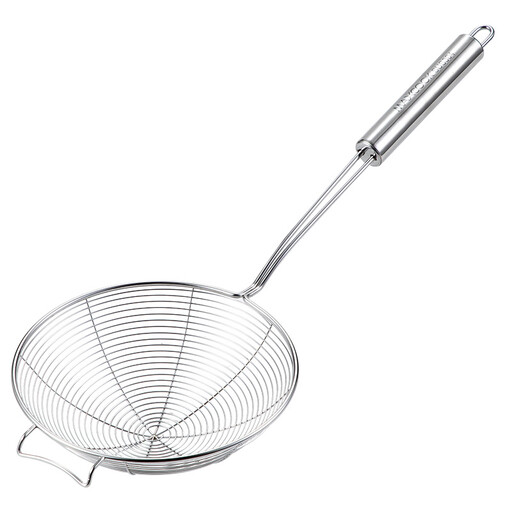
Who is it for? The essential ally for draining pasta, doughnuts, and fried foods. For anyone tired of utensils that rust or are a pain to clean.
Its food-grade 304 stainless steel protects it from corrosion. No more rust spots! Its heat-resistant hollow handle and clever hook for resting on the pot's rim are the ergonomic details that change everything.
Its resting hook is ultra-practical for keeping countertops clean. Its mirror-polished finish makes cleaning incredibly simple.
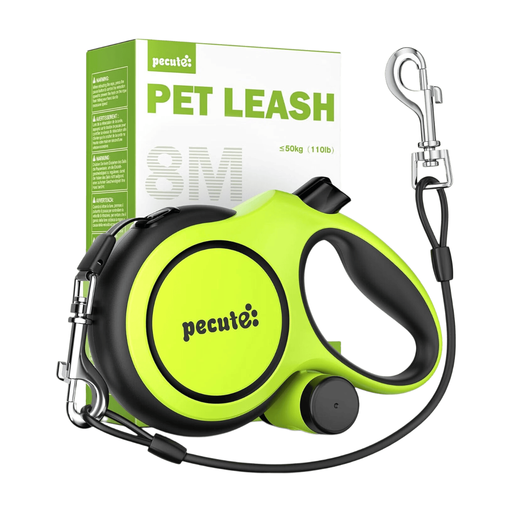
Who is it for? The solution for owners of medium to large dogs, especially if your companion has a bad habit of chewing their leash. It combines freedom, control, and safety.
It counters the pitfall of a fragile internal mechanism with a 304 stainless steel spring tested for 50,000 cycles. Most importantly, its sheathed steel cable extension is chew-proof, right where classic leashes eventually fail.
Its 8-meter length provides great freedom, with a reflective strip for night-time visibility. All controllable with one hand thanks to an intuitive locking mechanism.
Discover our full selection of products that meet our strictest quality and durability criteria.
The golden rule is to clean and dry them after each use, then store them in a dry place. For cutting tools or mechanisms made of carbon steel or CR-V, a thin layer of oil applied occasionally to pivots and blades is the best defence against rust. For stainless steel kitchen utensils, avoid abrasive sponges that could scratch the surface and compromise their protective layer.
Although other grades exist, 304 stainless steel is the undisputed standard for food contact. Its high chromium and nickel content gives it unparalleled resistance to corrosion from salts and food acids, which guarantees perfect hygiene and much better longevity for your utensils.
Not necessarily. While a certain weight can suggest solid construction, quality lies primarily in the type of material (a lighter CR-V steel will always outperform a heavy standard steel) and in the overall balance of the tool. A well-designed, ergonomic piece of equipment will always be more effective and less tiring to use than one that is simply heavy.