
Livraison le jour même ou le lendemain

Qualité garantie

Débloquez vos offres de bienvenue: Livraison GRATUITE | Jusqu'à -80 % | 30 jours d'essai gratuits à JoyPlus
Téléchargez l'application
A steam ironing appliance can make caring for shirts, trousers, dresses and soft furnishings much easier. But a steam generator, a garment steamer and a traditional iron don’t all meet the same needs. A device that looks impressive on paper won’t necessarily suit your habits, especially if you’re short on space, travel often, or care for delicate fabrics.
Before comparing models, here are the most common mistakes to avoid.
Continuous steam output, expressed in g/min, indicates the amount of steam produced during use. A steam boost function can tackle even the most stubborn creases, while vertical steaming is especially handy for hanging clothes, curtains and jackets.
Measured in bars, pressure mainly applies to steam generators and irons with a built-in boiler. It helps the steam penetrate the fibres, but doesn’t replace the need to choose a suitable soleplate or set the correct temperature.
A 0.10 litre tank is fine for a quick touch-up or when you’re on the move. However, it quickly becomes limiting when faced with a large pile of laundry. A 2 litre capacity, like that offered by some steam generators, is better suited to long sessions and reduces interruptions.
Also check the manufacturer’s recommendations about water. Depending on the brand, tap water may be fine or may require certain precautions in hard-water areas. Emptying the tank after each use helps prevent limescale build-up and makes maintenance easier.
For delicate fabrics, choose an appliance that offers precise control and a steady steam flow. A steamer for delicate garments is often simpler to use on a dress, blouse or jacket that’s already hanging up. However, it doesn’t always match the pressure of a steam generator when you need to create a sharp crease on a shirt.
Also check for automatic shut-off, a lockable steam button, a long enough cord and a comfortable handle. Steam and soleplates reach very high temperatures: keep the appliance out of reach of children and unplug it before filling the tank or cleaning it.
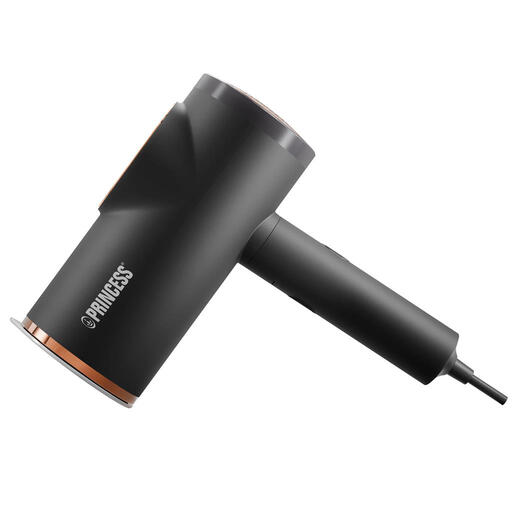
Why this choice suits this profile: This compact model is ideal for daily touch-ups, small homes and travel. Its foldable design stores away easily and its stated weight of 0.80 kg makes it easy to carry.
The spec sheet states a heat-up time of around 30 seconds, a lockable steam button and automatic shut-off. Its 0.10 L tank, however, means it’s best suited to short sessions.
Stated power of 1,300 W, maximum steam output of 18 g/min, foldable design and built-in lint-removal function.
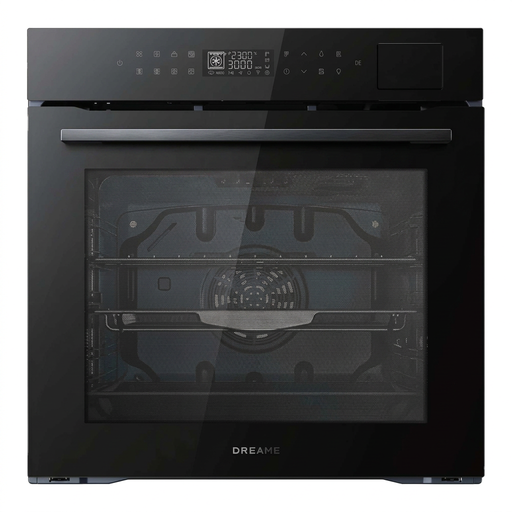
Why this choice suits this profile: This Dreame steam system is designed for a renovation project with a built-in space available, and for those who want to combine several functions in a single unit.
Its requirements must be planned for: the appliance is supplied without a plug, needs a fixed 3,650 W connection and must be installed by a qualified electrician, in line with the regulations applicable in France.
Internal volume of 81 L, stated A++ energy class, high-pressure steam generator and Wi-Fi/Bluetooth connectivity.
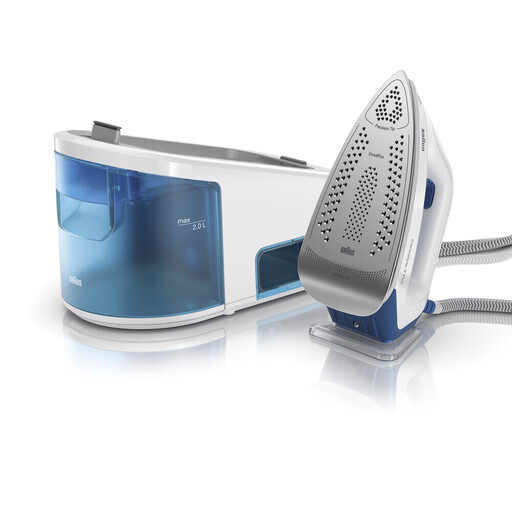
Why this choice suits this profile: This Braun steam generator is aimed at households that regularly iron large amounts of laundry and also want to steam hanging garments.
The 2 L tank cuts down on refills during long sessions. Its stated weight of 3.6 kg and base-unit design do, however, require a stable storage space.
Power of 2,400 W, stated pressure of 3 to 6.8 bars, steam output up to 400 g/min and steam boost function for vertical ironing.
We’ve put together a full selection, updated in real time, of products that meet these demanding criteria and European safety regulations.
A steam generator is designed for long ironing sessions and tackling stubborn creases. It has a separate base unit and a larger water tank. A garment steamer generally heats up faster and is used directly on a hanging garment. It’s ideal for touch-ups, jackets and delicate fabrics, but often offers less precision when you need perfectly sharp creases.
The cost depends on the power, heat-up time, how long you use it and the price of electricity. To keep costs down, fill the tank according to the manufacturer’s instructions, avoid leaving the appliance heating unnecessarily, and use the automatic shut-off when available. The stated energy class alone isn’t enough to estimate an ironing appliance’s energy consumption.
Empty the tank after each session, follow the manufacturer’s descaling instructions, and don’t add any perfume or product that isn’t recommended. Clean the soleplate or steam head with a suitable cloth, check the cord regularly and store the appliance once it has fully cooled down. A compliant electrical installation, especially for a built-in model, is also essential.