Homes with compatible hard floors
If you regularly clean tiles or another hard floor that the manufacturer says is suitable for steam, look at the floor head, steam settings and manoeuvrability of the model.


For hard floors where the manufacturer permits steam, a steam mop is suitable for regular cleaning. A cylinder steam cleaner with attachments can also tackle grout and awkward corners, while a handheld model is useful for smaller areas. If you want to wash up wet spills and vacuum the dirty water from hard floors, consider a cold-water floor washer. Bear in mind that you’ll need to maintain its tanks and rollers, as described by UFC-Que Choisir. Before using steam on parquet, laminate or vinyl, check the flooring manufacturer’s guidance and the appliance instructions.
If you regularly clean tiles or another hard floor that the manufacturer says is suitable for steam, look at the floor head, steam settings and manoeuvrability of the model.
To reach taps, grout or certain surfaces away from the floor, consider cylinder models and appliances with a handheld unit. Make sure the necessary nozzle is included and that each surface is compatible.
First identify your flooring and its finish. Quick-Step’s guidance for parquet and vinyl shows why a cleaner labelled ‘all floors’ isn’t, by itself, enough to confirm that steam is suitable for your particular floor.
Start with your flooring and the jobs you need to do: clean the floor, reach smaller areas above floor level or collect dirty water after washing.
Worth considering: for regular cleaning of hard floors confirmed as suitable for steam.
Keep in mind: cleaning above floor level requires a handheld unit and the right attachments, if they’re available for that model.
Worth considering: if you want to clean compatible floors as well as grout and other areas that its attachments can reach.
Keep in mind: you’ll need to move it around and store the main unit, hose and attachments.
Worth considering: for spot cleaning compatible surfaces or awkward corners that the right nozzle can reach.
Keep in mind: this type is designed for smaller areas, rather than cleaning all your floors.
Worth considering: if washing hard floors and collecting dirty water is more relevant to your needs than steam cleaning surfaces.
Keep in mind: UFC-Que Choisir describes emptying the tanks and cleaning the rollers and filters after use.
| What to consider | What to check | What I need |
|---|---|---|
| Surface compatibility | Identify the material and its finish. Compare the flooring manufacturer’s guidance with the appliance instructions; only use a steam setting if it’s approved for that surface. | I have parquet, laminate or vinyl: I want to know exactly how to care for my floor, including the joints. |
| Areas to clean | Check whether the appliance comes with a floor brush, grout nozzle or handheld unit, depending on the tasks you have in mind. For a cylinder model, also consider attachment storage and reach. | Floors aren’t my only priority: I’d like to reach awkward corners and certain kitchen or bathroom surfaces, where the material allows. |
| Washing and maintenance | For a floor washer, check how it collects dirty water, then how to empty the tanks and clean the rollers and filters. UFC-Que Choisir describes this routine after washing. | When I wash wet spills from a hard floor, I want to collect the dirty water; I also need to be able to maintain the appliance afterwards. |
| Ease of use | Compare the weight, size, heat-up time and how often you’ll need to stop to refill, depending on the model. Follow the precautions in the instructions when using steam. | I have limited storage space or clean several rooms in one go: moving the appliance around and stopping to refill are important factors in my choice. |
Wood finishes, laminate and vinyl can all have different care requirements. Quick-Step recommends, for example, lightly damp cleaning for its parquet flooring and sets out specific guidance on using steam on its vinyl floors.
Identify your flooring, check its care instructions, then make sure the appliance instructions approve that surface and the way you intend to use it.
According to UFC-Que Choisir, washing and collecting the water means emptying the tanks and cleaning the rollers and filters. This is part of the appliance’s regular use.
Before choosing, check what you’ll need to do to empty, rinse and dry the model.
Depending on the appliance, you may also need a compatible detergent and replacement consumables.
Cleaning areas away from the floor depends on the handheld unit and attachments supplied with the specific model. Polti and Rowenta’s instructions describe equipment that varies from one appliance to another.
Make a list of the areas you need to clean, then check that the necessary nozzle, grout brush or window attachment is included.
Electrical appliances aren’t suitable surfaces for steam cleaning as part of normal household use.
Don’t direct steam at their electrical components. Unplug them before cleaning and follow their own care instructions.
These ranges showcase different types of cleaner and features; compatibility always depends on the specific model and surface.
The range includes steam mops and cylinder steam cleaners, designed in particular for compatible hard floors.
The Vaporetto range includes steam mops with handheld units and cylinder models with attachments that vary by model.
Some Clean & Steam models combine vacuuming and steam cleaning; the Multi version has a removable handheld unit.
The CrossWave range is designed for washing floors with cold water rather than steam cleaning.
These options include two cordless hard-floor washer vacuums and a steam mop with a handheld unit. Choose between washing and collecting dirty water or steam cleaning, depending on your tasks, after checking that your flooring is compatible.
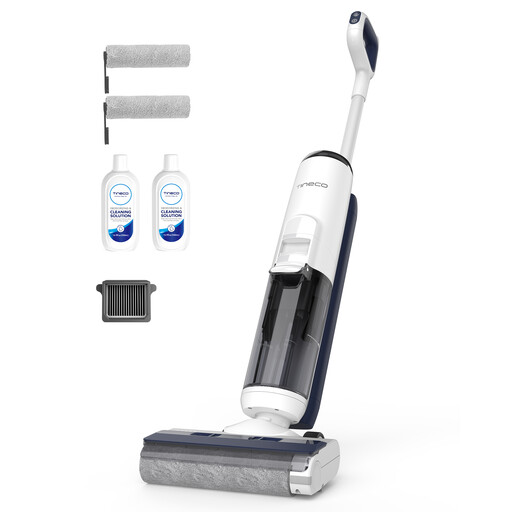 Image unavailable
For cleaning hard floors when you want to vacuum and wash with one appliance, rather than use steam. The product name states that it offers up to 35 minutes of runtime, edge cleaning and a self-cleaning function. Check the instructions for the conditions of use that apply to your floor’s finish, particularly if it’s parquet.
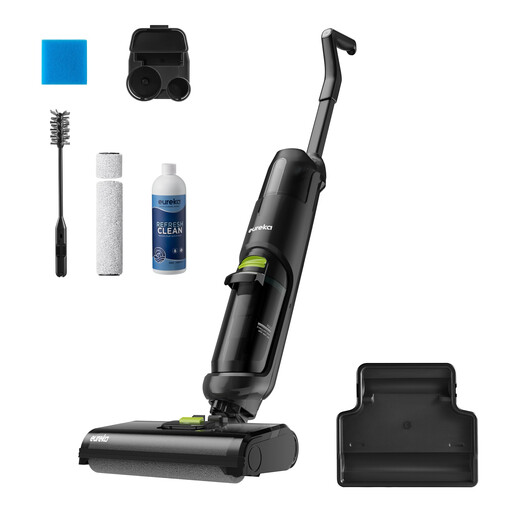 Image unavailable
Another option for vacuuming and washing hard floors without using steam. The model name indicates a self-cleaning system, but you’ll still need to empty the tanks and maintain the roller after use. Check the instructions to confirm that it’s compatible with your floor’s exact finish.
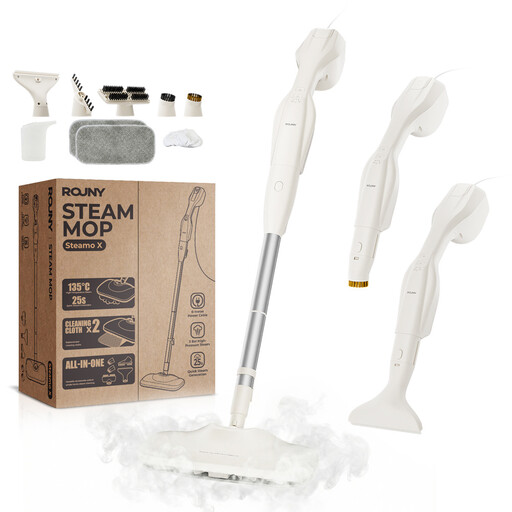 Image unavailable
The mop and handheld modes are designed for floors and smaller compatible areas. The product name lists 1200 W, 3 bar steam pressure, a 25 s heat-up time, a 6 m cable and five attachments. Check the instructions to find the right attachment for each task and make sure your flooring is suitable before applying steam.
Only if your flooring manufacturer’s guidance and the appliance instructions both approve that specific use. Quick-Step recommends lightly damp cleaning for its parquet flooring, for example. For its vinyl floors, the brand sets out specific guidance on steam use and recommends that you don’t leave the appliance in one place or over a joint. This advice doesn’t apply to all flooring.
Not necessarily. UFC-Que Choisir distinguishes between wet washing with water collection and a vacuum cleaner’s ability to pick up fine dust and filter the air. Check which types of debris the floor washer can handle and follow your floor’s care instructions.
With a cold-water floor washer, you’ll need to empty the tanks and clean the rollers or pads and filters, following the routine described by UFC-Que Choisir. For a steam cleaner, check the model’s instructions for descaling and any anti-scale cartridges.