
Livraison le jour même ou le lendemain

Qualité garantie

Débloquez vos offres de bienvenue: Livraison GRATUITE | Jusqu'à -80 % | 30 jours d'essai gratuits à JoyPlus
Téléchargez l'application
Between memo pads sold in bulk, notebooks with eye-catching covers and school exercise books available in a multitude of sizes, buying stationery supplies can quickly become a headache. A low price doesn't always guarantee comfortable use, while a beautifully presented product might not meet your everyday needs.
Before you fill your basket, three pitfalls deserve your attention:
Here are the criteria to consider when choosing supplies for home, school, the office or remote working.
The size should match the space you have available and the amount of information you need to jot down. Sticky notes measuring 38 × 51 mm are ideal for short reminders, bookmarks and quick messages. The 76 × 76 mm models give you more room for a to-do list or an instruction.
For exercise books, the 17 × 22 cm size slips easily into a backpack. Larger format books, such as 24 × 32 cm, offer a more comfortable surface for lessons, diagrams and folders. Very common in French school supplies, Seyès ruling helps keep your writing neat and organised. It differs from squared notebooks, which are better suited to tables, graphs and plans.
A hard cover protects the pages better during travel, but it makes the whole thing heavier. A soft or card cover is easier to slip into a folder and works well for note-taking on the go.
Also think about the binding: stitched, spiral and stapled bindings each offer a different experience in use. Detachable pages can be handy for passing on a note, but they need a bit of care when handling. An inside pocket, meanwhile, lets you keep receipts, loose sheets or small documents.
The paper weight gives an indication of thickness, but on its own it's not enough to determine writing quality. An ivory paper can feel pleasant for long note-taking sessions, while white paper sometimes makes it easier to read scanned documents.
To choose eco-friendly stationery, check what's actually stated on the product page. The PEFC and FSC labels tell you about the origin of materials from forests managed in line with the requirements of their certification systems. They don't necessarily mean the product as a whole is recycled or that its environmental impact is zero. The Post-it notes shown below indicate 100 % PEFC paper, while several Moleskine notebooks mention materials from FSC-certified forests and other controlled sources.
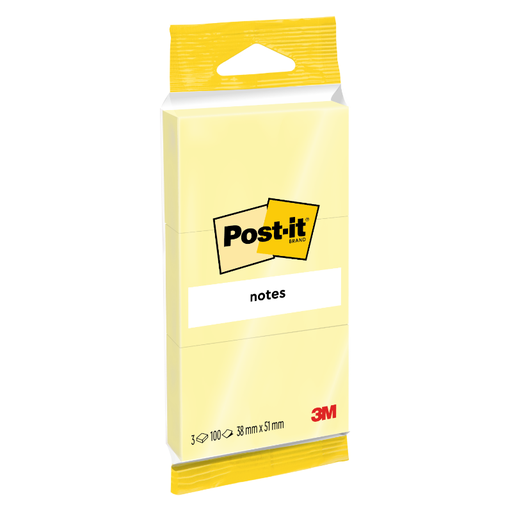
Why this choice suits this profile: This pack includes three pads of 100 sheets in a compact size, ideal for reminders, messages and short lists, whether at home or in the office.
The size is clearly stated and the number of pads lets you spread out your uses without buying a bulky cube.
Three pads of 100 sheets, 100 % PEFC paper and repositionable adhesive, according to the product information.
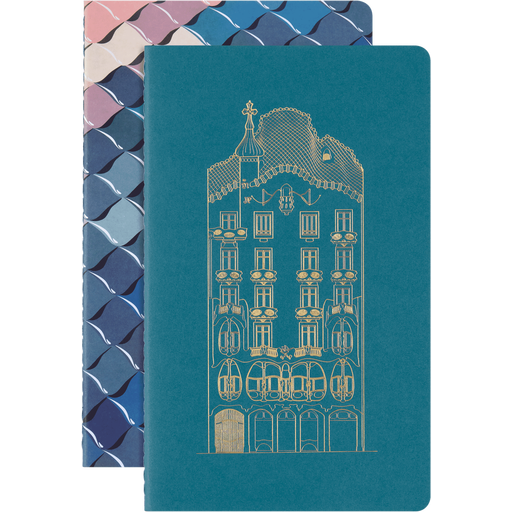
Why this choice suits this profile: This duo combines a polished presentation with functional features, perfect for keeping a personal journal, working on creative projects or taking professional notes.
The product page specifies the paper type, the 100 g/m² weight, the ruling and the storage accessories.
Acid-free ivory paper, rounded-corner cover, visible stitching and 16 detachable pages per notebook.
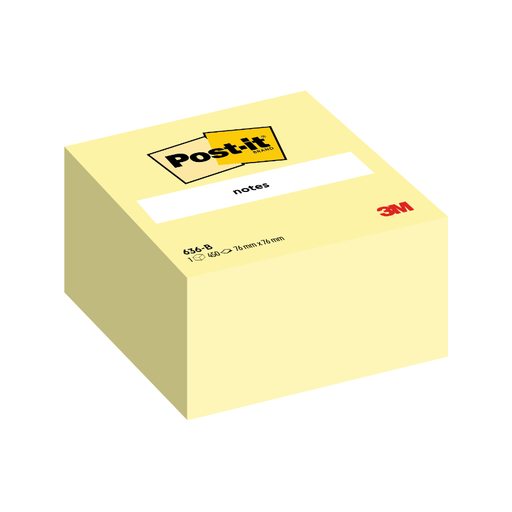
Why this choice suits this profile: This cube of 450 sheets is ideal for a shared office, an administrative department or anyone who uses sticky notes regularly.
The volume and size are clearly stated, so you can check how much space it will take up before you buy.
450 sheets per pad, 76 × 76 mm size, yellow colour and 100 % PEFC paper.
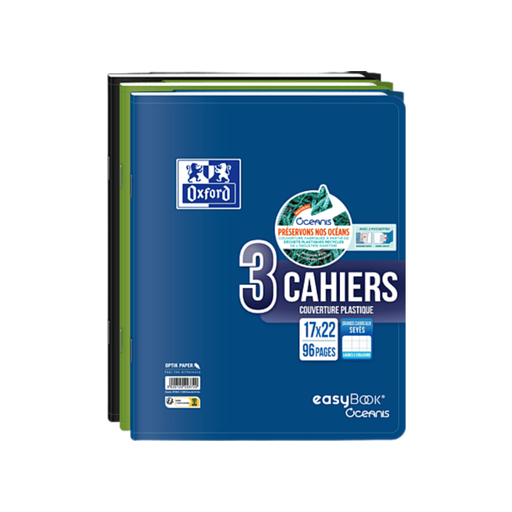
Why this choice suits this profile: This pack of three exercise books lets you organise subjects and homework, with Seyès ruling suited to French school habits.
The number of pages, size and ruling are all stated, so you won't confuse a notebook with a squared exercise book.
Three exercise books of 96 pages each, in 17 × 22 cm size, with Seyès ruling and stapled binding.
We've put together a comprehensive list, updated in real time, of products that meet these demanding selection criteria and European safety regulations.
A memo pad is used for jotting down and then quickly displaying information, often thanks to a repositionable adhesive. A notebook keeps your notes together in a bound format and is better suited to tracking a project, keeping a journal or taking class notes.
It all depends on how often you use it, the storage conditions and the binding. Keep your supplies in a dry place, away from damp and direct light. A hard cover, visible stitching or a polypropylene cover can help preserve the contents, but they don't guarantee a specific lifespan.
PEFC and FSC are two separate certification systems. Check the product page to see exactly what is certified: the paper, the packaging or materials from controlled sources. This check stops you from attributing an environmental quality to the product that isn't actually stated.