
Livraison le jour même ou le lendemain

Qualité garantie

Débloquez vos offres de bienvenue: Livraison GRATUITE | Jusqu'à -80 % | 30 jours d'essai gratuits à JoyPlus
Téléchargez l'application
Buying stationery supplies can quickly push up the bill when you are tempted by colourful designs, the number of pieces or the promises displayed on the packaging. Whether you are a pupil, parent, professional or journaling enthusiast, the right selection depends above all on how you plan to use it, the level of precision you need and how easy it is to store.
A very comprehensive set is not necessarily the best fit for your everyday needs. For homework, a few ballpoint pens, graphite pencils and highlighters may be more than enough. By contrast, bullet journal enthusiasts may be better off choosing fineliners, gel pens and colours that are easy to combine.
Take the time to check exactly what the set contains: the number of genuinely different shades, the type of nib, whether refills are included and which accessories come with it.
Ink that takes a long time to dry can smudge the page or bleed through to the other side of a notebook. Left-handed people and those who write quickly should pay particular attention to this point. Water-based inks can also show through certain thin papers, especially when you press firmly on the nib.
Claims such as ‘quick-drying’, ‘smudge-free’ or ‘no show-through’ refer to the features stated by the manufacturer. They are not a guarantee that the product will perform this way on every type of paper.
A pen that feels comfortable for a few minutes can become uncomfortable during a long note-taking session. The shape of the barrel, the grip area and the weight all affect how it feels in your hand. For children, also choose a barrel that is easy to hold and a cap suitable for their age.
Finally, a selection sold without a pencil case, box or pouch is more likely to become scattered. Reusable storage helps extend the life of your stationery and prevents duplicate purchases.
Depending on the type of product, the stated width generally refers to the line produced or the diameter of the nib. Here are some useful guidelines:
For drawing, coloured pencils and brush pens offer more ways to fill areas, create gradients and vary line thickness according to the pressure applied.
Before choosing calligraphy pens or pastel highlighters, consider the paper you will be using: a school notebook, diary, drawing paper, card or journaling notebook. Thicker paper generally reduces show-through, while very thin paper works better with nibs that deposit less ink.
HB graphite pencils remain versatile for writing, exercises and light sketches. Coloured pencils with soft leads are often more comfortable for creating solid areas of colour, but require a suitable pencil sharpener.
For products with small caps, check the recommended age and keep them out of reach of children under 3. Inks can stain fabrics and certain surfaces. Replace pen caps after every use and store pens away from heat and moisture.
When buying in France, also consult the product information, the manufacturer’s identity, the warnings and the details relating to the responsible person in the European Union, where provided.
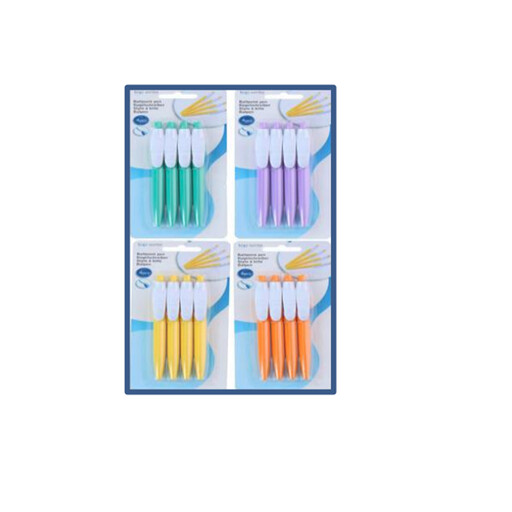
Why this choice suits this profile: This compact set of four coloured ballpoint pens is suitable for children’s homework, free drawing and creative activities, both at home and in the classroom.
The limited format means you do not pay for shades that are rarely used and makes it easier to store in a school bag.
A barrel presented as suitable for children, four assorted inks and a design intended for both writing and drawing.
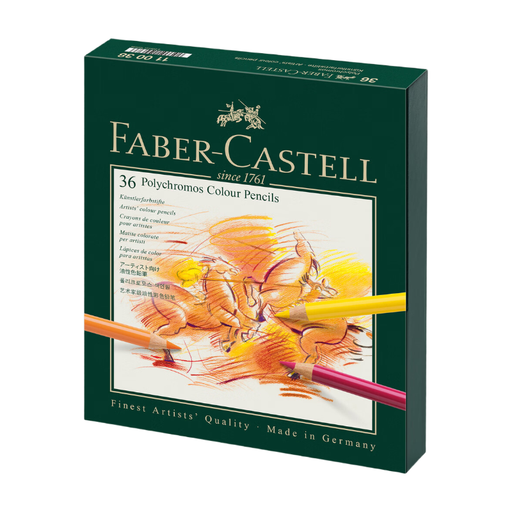
Why this choice suits this profile: This set of 36 coloured pencils is designed for detailed illustrations, layering and projects that require a well-organised palette.
The organised box and the stated 3.8 mm lead help prevent scattered storage and reduce the risk of the tips breaking.
An oil-based lead, an SV bonding process stated by the manufacturer and a studio box containing 36 shades.
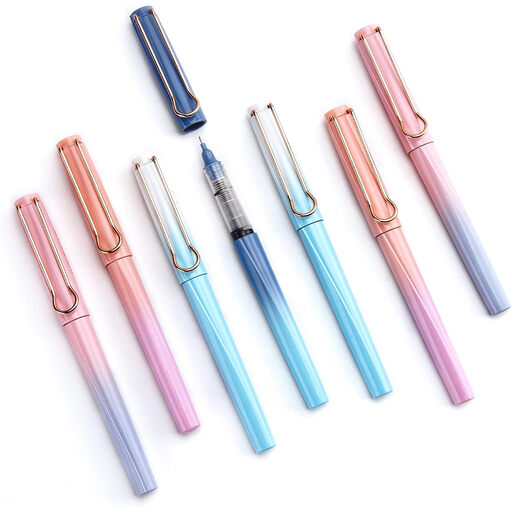
Why this choice suits this profile: This set of eight black pens with 0.5 mm needle-point tips is suitable for intensive note-taking, lessons, office work and journaling.
The multipack means you are less likely to run out of pens, while the resealable cap helps preserve the ink.
A fine 0.5 mm tip, quick-drying liquid ink as stated and an indicated writing capacity of approximately 1,500 metres.
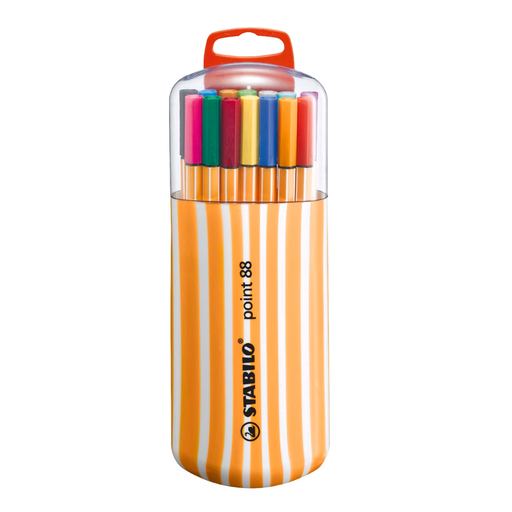
Why this choice suits this profile: Students, teachers and fans of diagrams or bullet journals get a broad colour palette in a sturdy case that is easy to carry.
The metal-clad tip and reusable box address the wear and storage issues associated with fineliners.
A stated 0.4 mm line, 20 assorted colours, water-based ink and a transparent sturdy case.
We have brought together a complete, real-time updated selection of products that meet these demanding selection criteria and European safety rules.
For a school pencil case, include HB graphite pencils, blue and black ballpoint pens, a few coloured gel pens and a small set of pastel highlighters. Erasable pens can be useful for rough work and diaries, but they are not suitable for documents that require permanent ink.
For drawing supplies, add coloured pencils and fineliners. Brush pens and calligraphy pens are better suited to lettering, journaling and decorative headings than to quick note-taking. A 0.5 mm mechanical pencil is suitable for consistent lines and detail, provided you have a few spare leads to hand.
A versatile pencil case includes blue, black and red ballpoint pens, HB graphite pencils, an eraser, a pencil sharpener, highlighters and a few fineliners. The list may vary depending on the year group and the school’s requirements, so check the requested equipment before buying a large selection.
Replace caps immediately after use, avoid high temperatures and store your stationery in a pencil case that is large enough not to compress it. Fineliners and brush pens are generally best stored horizontally. Some pens can, however, be stored tip-downwards, so refer to the information in their product details.
The price depends on the number of colours, the type of nib, pack size and the level of precision required. Start with the supplies you use every day, then add drawing materials, gel pens or calligraphy pens according to your projects. This approach limits duplicates and allows you to spread the cost.